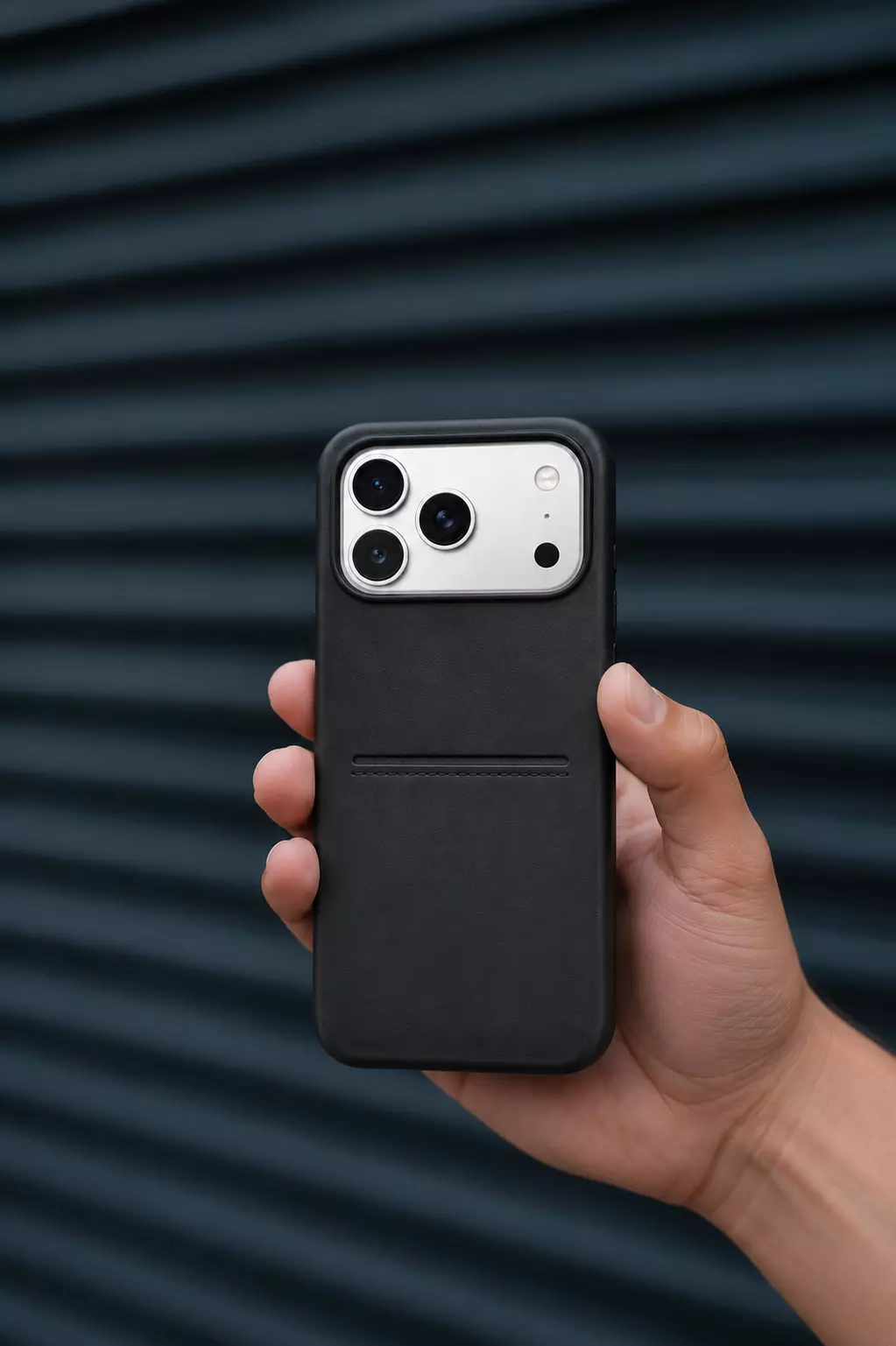
Slim, Leather or Carbon Fibre? How to Pick the Right iPhone 17 or 18 Pro Case
The best iPhone case is the one that suits how you use your phone. Want no bulk? Pick a thin case. Want a classic feel? Pick leather. Want a light, sporty look? Pick carbon fibre. Whatever you choose, it must be made for your exact iPhone model.
Most phones do not break in big moments. They break in small ones. You pull your phone from a pocket, and it slips.
A Vodafone survey found that 70% of Australians who broke a screen did it while taking the phone out of a pocket or bag. The right case helps in that exact moment. The wrong case annoys you every day.
This guide keeps it simple. You will learn how to pick a case by model, material and daily habits.
Quick answer: which case type fits you?
- You hate bulk and want the phone to feel natural: a slim case.
- You want a premium look that ages well: a leather case.
- You want a light case with a modern, sporty finish: a carbon fibre case.
- You use chargers, car mounts or wallets that snap on: a MagSafe case.
Now let’s go step by step.
Step 1: Match the case to your exact model
This sounds obvious. It is also the most common mistake.
Every iPhone has its own camera layout, button spots and size. A case built for one model will not fit another. The camera cutout will be off. The buttons will feel stiff.
Here are the model pages to start with:
- iPhone 17 Pro case and iPhone 17 Pro cover options for the smaller Pro.
- iPhone 17 Pro Max case and iPhone 17 Pro Max cover options for the big screen.
- iPhone 18 Pro case options for the newer Pro.
- iPhone 18 Pro Max case options for the newer Pro Max.
Tip: say “case” or “cover”, it does not matter. They mean the same thing. People in Australia use both words when they search.
Step 2: Decide how thin you really want to go
Slim cases are popular for a good reason. They keep your phone looking like a phone. They slide into a pocket. They do not add weight to your hand.
If you want the smallest add-on, look at the thinnest iPhone case range. A slim iPhone case is the sweet spot for most people. An ultra thin iPhone case is for those who want the case to almost disappear.
You will also see these terms used for the same idea: slim iPhone cover, slim protective case and sleek phone cases. Different names. Same goal.
The honest trade-off
A thinner case has less material to soak up a hit. That is just physics. No thin case makes a phone drop-proof. If you drop your phone on concrete often, a thicker case may suit you better.
For most office and daily-life users, slim is plenty. Look for these three things:
- Raised edges around the screen and camera.
- Good corner coverage, because corners often take the hit.
- A tight, precise fit with clean button cutouts.
A common real-life example
Picture a sales rep who is in and out of the car all day. The phone lives in a pocket and on a car mount. A bulky case snags on the pocket and wrecks the look of the suit. A slim case fixes both. This person needs light protection for small slips, not armour for building sites.
Now picture a tradie. The phone gets tossed in a ute and dropped on pavers. That person should think about a thicker case, even if it looks less sleek.
Be honest about which person you are. That is the whole decision.
Step 3: Check MagSafe before you buy
Many people charge with magnets now. They use car mounts, wallets and desk stands. MagSafe has been built into iPhones since the iPhone 12.
Here is the catch. A listing that says “wireless charging” is not the same as “MagSafe”. A proper MagSafe case has a built-in magnet array that lines up with the magnets inside the iPhone. Without that, your phone may slip off a mount or charge poorly.
If you own the big model, search for a MagSafe iPhone 17 Pro Max case and read the listing closely. Look for the word “MagSafe” on the page. Check that the case is made for your model.
Thin cases help here too. The less material between the magnets, the better the connection tends to feel. You can see how Apple lists its own range on the Apple MagSafe accessories page.

Step 4: Pick a material you will enjoy touching
You hold your phone dozens of times a day. Texture matters more than people expect.
Leather
An iPhone leather case feels warm and premium. Real leather changes with use. Many owners like that worn-in look.
One thing to know. Apple has warned that a MagSafe charger can leave an imprint on leather cases. If that would bother you, a different material may suit you better. Leather also needs a little care. Keep it away from water and harsh cleaners. MacRumors
Carbon fibre
A carbon fiber phone case gives a sporty, modern look. It is known for being light. If you want to understand how it handles drops, read our full guide on carbon fibre iPhone case drop protection. It covers what the material does well and where it has limits.
Matte and plain finishes
Matte cases hide fingerprints well. They also feel nice in the hand. If you want simple and clean, this is often the easiest pick.
Your 60-second buying checklist
Before you pay, run through this list:
- Does the listing name my exact iPhone model?
- Is the case slim enough that I will not hate it in a week?
- Does it have raised edges for the screen and camera?
- If I use magnets, does it clearly say MagSafe?
- Do I like how the material feels?
- Is the return policy clear?
If you can say yes to all six, you are safe to buy.
https://medium.com/@macsources/benks-kevlar-iphone-cases-review-d77f23880dca
Mistakes to avoid
- Buying the thinnest option without thinking. Thin is nice. But think about where your phone lives each day.
- Ignoring your habits. A case is not a trophy. It is a tool. Pick it for the life you actually have.
- Assuming a case replaces care. A case lowers risk. It does not remove it. Repairs are costly for many people. The Vodafone survey found that 19.1% of Australians are living with a smashed screen because of repair costs. A good case plus a careful habit is the cheapest fix.
- Forgetting about your legal rights. If your phone has a real fault, Australian Consumer Law helps you. The ACCC reminds shoppers that businesses cannot take away your consumer guarantee rights. Those rights cover faults. They do not cover a drop. That is why a case matters.
Final thoughts
Choosing a case is not hard when you break it into steps. Match the model. Decide how thin you want to go. Check MagSafe if you use magnets. Pick a material you enjoy.
If you want to browse, start with a slim iPhone case for daily use, or jump straight to your model page: iPhone 17 Pro, iPhone 17 Pro Max, iPhone 18 Pro or iPhone 18 Pro Max.