International Travel Vaccinations: What You Need to Know Before You Go
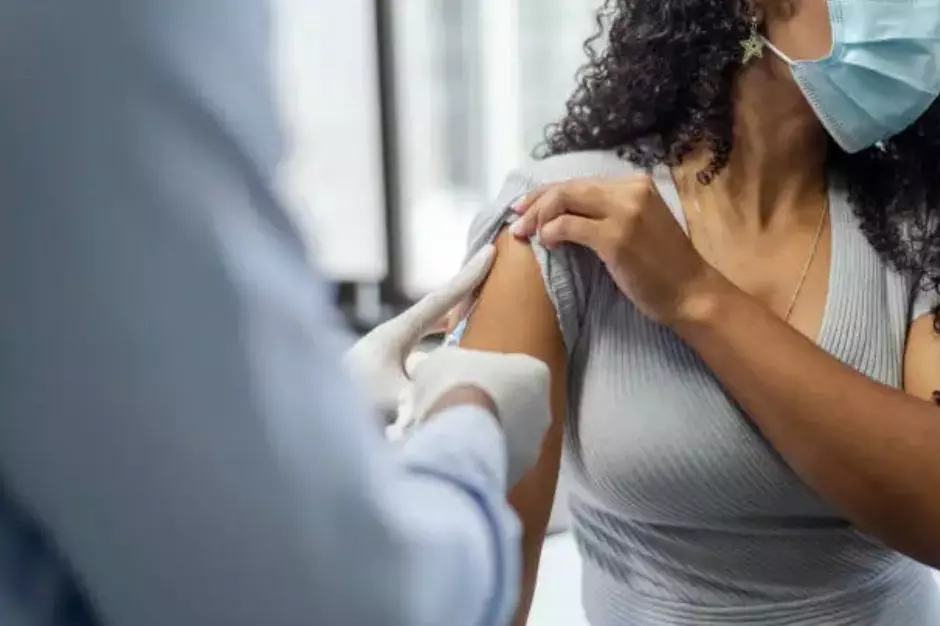
Planning a trip overseas? Before you pack your bags, there’s one important step you shouldn't skip—getting the right travel vaccinations. Whether you're heading to a tropical destination or exploring remote areas, travel vaccines protect you from serious diseases and may even be required for entry into some countries.
Did You Know?
According to TravelHealthPro (the UK government’s travel health service), getting vaccinated before travelling can be life-saving. Vaccines protect against diseases like yellow fever, hepatitis A, typhoid, and more—many of which aren’t common in the UK but are prevalent abroad.
This guide will walk you through everything you need to know about travel vaccinations—when to get them, where to go, and what to expect—so you can travel confidently and stay healthy.
Also Visit Relevant Blog:
Preparing for International Travel with Expert Vaccine Guidance
Quick Summary: Key Points to Know
- Travel vaccines are essential for international trips to protect your health and meet legal requirements.
- Check the vaccination rules for your destination in advance to avoid problems during immigration or your trip.
- Aim to get vaccinated 6–8 weeks before departure for full protection.
- If NHS services aren’t available or timely, a private clinic or pharmacy can help you book travel vaccinations quickly.
- A travel vaccine pharmacy offers expert advice tailored to your destination and travel style.

Why Travel Vaccines Should Be on Every Traveller’s Checklist
You might feel fine now, but once abroad, your immune system can face unexpected challenges. Travel exposes you to diseases not commonly found in the UK, and some countries won't allow you in without proof of vaccination.
Getting vaccinated ensures:
- You're protected against preventable illnesses like yellow fever, rabies, hepatitis, and typhoid.
- You won’t be denied entry into countries with strict vaccine rules.
- You stay healthy throughout your trip, especially in rural or high-risk areas.
- You protect those around you, especially in vulnerable or under-vaccinated communities.
What Vaccines Might You Need for Travel?
Your required vaccines depend on several factors:
- The country or region you're visiting
- Local disease outbreaks
- Duration and nature of your stay (city vs. countryside)
- Your age, health history, and vaccination record
Common Travel Vaccinations
When planning international travel, it's important to be protected against diseases commonly found in certain regions. Here are some of the most recommended vaccines for travellers:
- Hepatitis A: This vaccine protects against a liver infection commonly spread through contaminated food or water. It's especially recommended for travel to Asia, Africa, and South America.
- Typhoid: A vaccine for typhoid is essential when visiting areas with poor sanitation, such as India, Pakistan, and certain parts of Africa.
- Yellow Fever: Required for entry into some countries, this vaccine protects against a mosquito-borne virus found in Sub-Saharan Africa and Central and South America.
- Rabies: This vaccine is recommended for travellers spending time in rural areas of Asia, Africa, and Latin America, where medical care might not be easily accessible after an animal bite.
- Tetanus/Diphtheria: These bacterial diseases can occur worldwide. Ensure your booster shots are current before travelling.
- Japanese Encephalitis: Another mosquito-borne illness, this vaccine is recommended for travel to Southeast Asia and the Pacific Islands, particularly if you'll be in rural areas or staying for an extended period.
Tip: Always consult a travel health expert to ensure your vaccinations are up to date and tailored to your travel destination and activities.
Understanding Country-Specific Vaccine Rules
Every country has different vaccination requirements. Some even require proof of certain vaccinations before allowing you entry.
Examples of Countries with Vaccine Regulations:
- Saudi Arabia: Meningitis vaccine is mandatory during Hajj.
- Ghana and Brazil: Require a yellow fever vaccination certificate.
- Parts of Africa: Polio vaccine may be necessary.
- Southeast Asia: Often recommends Japanese Encephalitis vaccination.
Before travelling, always check with the destination country’s embassy or TravelHealthPro for the latest information.
When Should You Book Travel Vaccinations?
The best time to book travel vaccinations is at least 6 to 8 weeks before you fly. This allows time for your immune system to respond and, if needed, to receive multiple doses.
Don't leave it to the last minute, especially if your destination requires proof of full vaccination upon arrival.
Where Can You Get Your Vaccines? NHS or Private Options
In the UK, some vaccines are available through the NHS for free, while others require a visit to a private clinic or travel pharmacy.
Vaccines Provided by the NHS (Free of Charge):
- Hepatitis A
- Typhoid
- Diphtheria, Tetanus & Polio
- Oral Cholera
Vaccines Only Available Privately (Paid Services):
- Japanese Encephalitis
- Rabies
- Yellow Fever
- Meningitis ACWY
- Hepatitis B
If you’re short on time or want more flexible appointments, private clinics make it easy to book travel vaccinations when NHS services are limited.
Where to Get Reliable Travel Vaccine Advice
A local travel vaccine pharmacy is one of the easiest and quickest places to get personalised advice. Their trained pharmacists can help you prepare based on your itinerary and medical history.
What to Expect from a Travel Vaccine Appointment:
- Custom vaccine schedule
- Country-specific health alerts
- Proof of vaccination documents
- Quick bookings, even at short notice
- Friendly, professional travel health guidance
These services are especially helpful if you're trying to buy prescription drugs online for your trip, as pharmacists can recommend and provide them legally and safely.
How to Prepare for Your Travel Health Consultation
Bring the following with you:
- Full travel itinerary (countries, cities, and dates)
- Records of past vaccinations
- Any current medical conditions or medications
- Details of children’s health if they are travelling with you
Being prepared allows the healthcare provider to create a tailored vaccine plan that protects you throughout your journey.
Travel Tips Before Getting Vaccinated
- Book early: Aim for 6–8 weeks in advance.
- Carry proof of yellow fever or meningitis vaccines when required.
- Vaccinate children separately—they may need different dosages.
- Practice safe travel habits: drink bottled water, avoid risky food.
- Check with your pharmacy about malaria prevention and whether you need to buy prescription drugs online before departure.
Protect Your Health—Travel with Confidence
Your health is your most valuable travel companion. Don’t wait until the last minute—book travel vaccinations early to stay protected and stress-free.
At Synergy Pharmacy, our experts are ready to provide trusted travel health advice, vaccinations, and additional services to help you get prepared. You can even buy prescription drugs online safely through our platform for added convenience.
For more travel tips and to schedule your consultation, visit our website or speak with our team today.
Frequently Asked Questions
Q1. What vaccines are recommended before travelling to India or Africa?
Hepatitis A, typhoid, and sometimes yellow fever, depending on the region. Always follow government travel health advice.
Q2. Can I get vaccinated last minute?
Some vaccines like hepatitis A can be given close to travel time, but others (like rabies) require multiple doses. Book early if possible.
Q3. Do children need different travel vaccines?
Yes, dosages and vaccine types may vary. Always consult a healthcare professional for your child’s needs.
Q4. Is it safe to get multiple vaccines in one visit?
Yes, in most cases. A pharmacist will help you safely space them out if needed.
Q5. How can I reduce side effects after travel vaccines?
Drink water, rest, and avoid alcohol. Mild side effects like fever or soreness are normal.