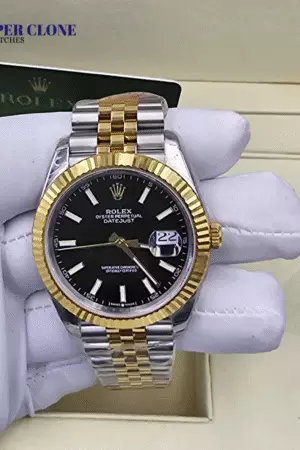
Inside the World of Rolex Super Clones: What You Should Know
The Allure of a Rolex
Few names in the watch industry carry as much prestige as Rolex. The brand has long been a symbol of success, luxury, and craftsmanship, with models like the Submariner, Daytona, and Datejust becoming icons in their own right. The allure is undeniable—owning a Rolex is not just about telling time, it’s about wearing a piece of history and status on your wrist.
However, with such popularity comes an inevitable problem: counterfeits. And among these fakes, a new breed has emerged that is blurring the lines more than ever—the so-called Rolex super clones.
What Exactly Are Rolex Super Clones?
A fantastic clone of a Rolex is not your typical imitation from the street market. Super clones are superior imitations that are made to closely resemble the real watch in practically every way, as opposed to the cheap ones that are visible from across the room.
Swiss or fine Asian movements, which closely mimic the mechanical intricacy of the genuine thing, are frequently used in these clocks. Even seasoned collectors can be fooled by the workmanship, weight, and even the minute engravings.
Super clones frequently originate from specialist factories, primarily in Asia, where expert watchmakers reverse-engineer authentic models, whereas authentic Rolex watches are meticulously crafted in Switzerland. They make use of sapphire crystals, high-quality materials, and even try to replicate the complex laser-etched crown at the dial's six o'clock position.
How Super Clones Differ from Standard Replicas
Typically, standard reproductions are made fast and inexpensively, emphasizing look above functionality. They may feature erroneous branding, fragile casings, and misaligned date windows. Conversely, super clones are created with the same amount of attention to detail as authentic watchmaking. The casings are composed of solid stainless steel instead of plated alloys, and they frequently have automatic movements that work similarly to the real Rolex calibers.
When opened for examination, some super clones can even deceive less skilled watchmakers because to the exquisite level of detail. Because they can infiltrate auction houses and second-hand sales platforms, they pose a special threat to the integrity of the watch industry.
The Risks of Owning a Super Clone
At first glance, owning a Rolex super clone might seem like a clever way to enjoy the prestige of a luxury watch without the hefty price tag. However, the reality is more complicated. Firstly, it is illegal in most countries to sell or even import counterfeit goods, and customs seizures are Super clones watches in usa common. Owning one may also have moral implications, as counterfeit manufacturing is often linked to unethical labor practices and organized crime networks.
There’s also the reputational risk. If someone knowledgeable discovers that your “Rolex” is actually a super clone, the social embarrassment can be significant. For collectors, having a fake in the mix can damage credibility and trust within the community.
How Experts Spot a Super Clone
Even with the impressive craftsmanship, super clones are not flawless. Experts can still detect subtle differences through detailed inspections. The most reliable method is to examine the movement inside the watch. While super clones can mimic the look of a Rolex caliber, they rarely match its precise engineering and finishing. Other tells include slightly off engravings, imperfect lume application, and inconsistencies in weight distribution.
Advanced authentication techniques also involve magnifying the dial and markers, checking serial numbers against Rolex’s production records, and using specialized equipment to test the materials. As technology improves, however, the gap between genuine and counterfeit continues to shrink, making verification increasingly challenging.
The Impact on the Watch Industry
The luxury watch market is being threatened by the emergence of Rolex super clones. They undermine consumer trust in the secondary market in addition to weakening the brand's exclusivity. Customers may be hesitant to spend money on used watches out of concern that they might unintentionally buy a fake. This makes it necessary for dealers and sellers to invest more time and money in authentication, which is frequently passed on to clients.
Furthermore, authentic craftsmanship can be harmed by super clones. The fundamental basis of luxury branding may be undermined when a fake product is convincing enough to rival the original in terms of appearance, leading some buyers to wonder why they should spend more for the genuine item.
Final Thoughts
The world of Rolex super clones is both fascinating and troubling. On one hand, they represent a technical achievement in imitation—proof that modern manufacturing can replicate almost anything. On the other, they blur the boundaries between authenticity and deception, creating a minefield for watch enthusiasts and collectors.
For anyone considering entering the luxury watch market, education and caution are essential. Whether you’re buying a Rolex for its precision engineering, its heritage, or its symbolic value, the safest path is always through reputable, verified sellers. After all, in the realm of horology, authenticity is not just a feature—it’s the very soul of the watch.