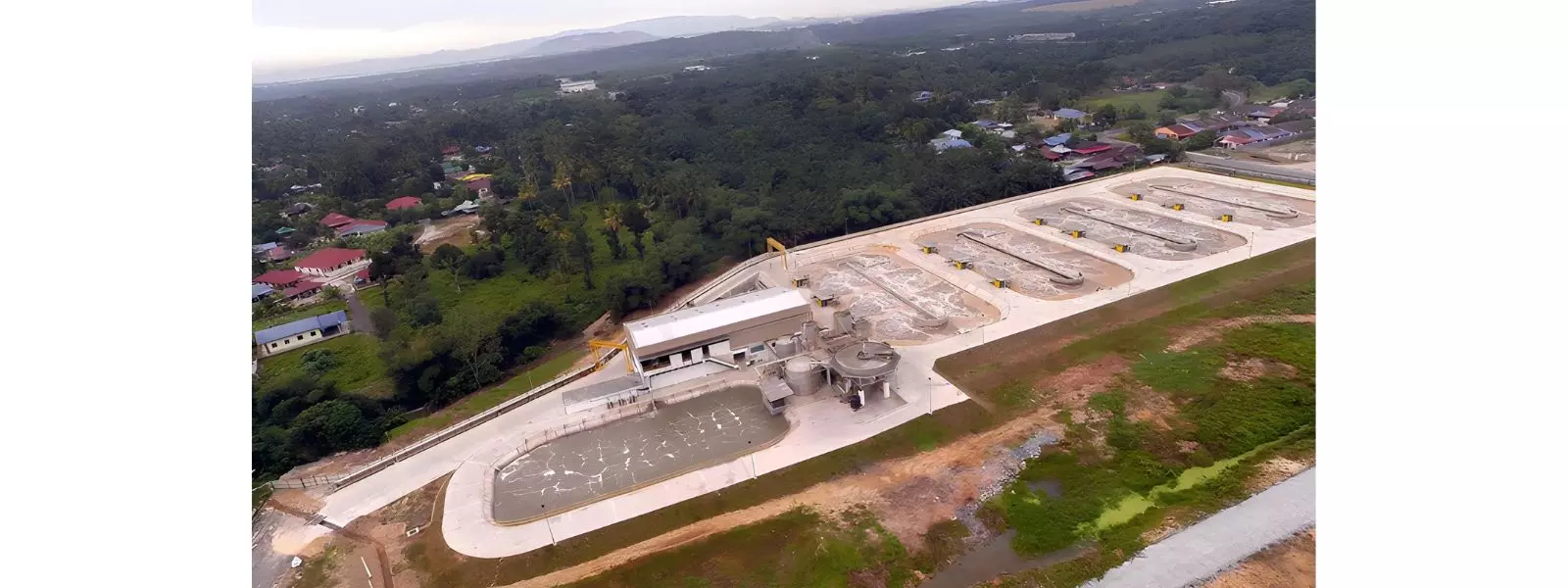
How to Choose the Right Industrial Wastewater Treatment System for Your Plant?
Every plant generates some form of waste. Among them, industrial wastewater causes the most concern. This water carries oils, metals, toxins, and solids that must be cleared before it flows out.
Picking the right treatment system matters. Do you delay or guess wrong, you risk harming the environment or facing strict rules. It will steer you through important steps, so you can make a smart choice that fits your plant's needs and keeps your setup clean and safe.
Understand Your Wastewater Type
First, you must inspect what kind of waste flows out from your plant. Some factories discharge heavy oils. Others spill out acidic or salty water. Some carry fine dust or coloured dyes. Your system must handle the exact mix.
Do you skip this check, the wrong filter may clog or break. So, test samples and measure solids, chemicals, and flow rates. This step helps you map your waste type. Once mapped, you can hunt for a treatment path that handles your plant’s waste with ease.
Consider Flow Volume and Space
Next, think about how much wastewater your plant pours out daily. A small machine won’t cope with high flow. On the flip side, a big system may waste money on light discharge.
Also, examine the space in your plant. A tight floor will not suit tall tanks or wide reactors. Choose systems that match both your output and your layout.
Compact designs help in small rooms. Large open tanks work better in bigger setups. Fit the right size, and your process runs smoothly.
Focus on the Right Treatment Methods
Not all methods work the same. Some focus on removing oil or grease. Others break down toxic chemicals. You can pick from several paths—mechanical screens, biological filters, or chemical treatment of wastewater.
The best route often blends two or three steps. If your waste has strong metals, go with chemical processes. If it smells or carries sludge, try a biological tank.
Every treatment works like a team. So, mix them wisely and get a full clean sweep from start to finish.
Prioritise Maintenance and Ease of Use
Once installed, your treatment unit must stay strong and steady. A system that demands too much cleaning will slow your plant. Check how often you need to drain or change parts.
Look for machines that flush themselves or use fewer moving parts. This makes upkeep simpler. Also, train your team early.
Good system can uses buttons, not manuals. Simple design saves hours and avoids errors. So, aim for ease. A clean, clear system invites smooth running and fewer delays.
Review Discharge Rules in Your Area
Each country or city follows set discharge laws. If you break them, fines or shutdowns can follow. Some zones limit heavy metals.
Others watch pH or smell. Match your system with your local rules. Read your water permit line by line. If your plant grows, rules may tighten, too.
So, plan for future load and build a buffer into your system. When your setup meets these rules without strain, you avoid trouble and build trust in your process.

Compare Long-Term Operating Costs
Cost isn’t just in buying. You must count power use, sludge disposal, and upkeep. A cheap unit may drain more electricity. A pricey one might save on filters or repairs.
Look past the first bill. Track monthly water, chemical, and waste bills. Some systems use more in the short run but save over time.
Others run slowly but clean deeply. Check these costs side by side. When you map the full spend, you pick smart, not just fast.
Choose Durable and Scalable Systems
The plant can shift output fast. You may do double work next year. Will your system keep pace? Some setups grow by adding tanks or switching flow paths.
Others freeze at one speed. Pick systems that flex. They must rise with your work rate. Also, inspect the build. Strong steel, sealed pipes, and rust-proof tanks last longer.
Cheap parts may wear down or break. Go for strength and stretch. A sturdy, growing system protects your plant for years to come.
Use a Pre-Treatment If Needed
Sometimes, your plant needs a first step before the main system. This is pre-treatment. If your water holds large grit or foam, it can jam fine filters.
Sieve, trap, or settling tank can calm the water first. Pre-treatment acts like a guard. It blocks big items and helps the core system run better.
You clean more with less stress. So, don’t skip this if your waste arrives rough or fast. Even a small unit here can make a big change.
Track System Output with Simple Tools
Once your system runs, you must check if it works well. Use simple testers for pH, smell, or colour. Check the flow at each stage. Keep logs of clean water going out. Watch for dips in performance.
When you track daily, you spot errors early. Also, use sensors where possible. Alarms or flashing lights warn you when limits are broken.
These checks keep you safe. A system that talks back helps your plant stay on point and fix issues before they grow.
Choosing the Right Fit Brings Clear Results
The right industrial wastewater system lifts your plant. It stops harm, clears rules, and saves time. To choose well, look at your waste type, local rules, flow speed, and staff skills.
Blend methods like chemical treatment, biological tanks, and screens. Add pre-treatment where needed. Watch your setup daily.
Good fit today saves trouble tomorrow. With this smart path, your system keeps your plant clean, your staff safe, and your output strong.
Final Thoughts
Water runs through every corner of your plant. Dirty water slows work and harms the world. Clean water clears the way for progress. That’s why choosing a strong wastewater system isn’t just a task—it’s a must.
Match your needs, plan, and trust clear steps. From pre-treatment to final filters, build a path that clears waste and boosts your goals.
Whether you treat with chemical treatment of wastewater or blend it with other methods, make every drop count. A cleaner flow means a smarter plant, ready for growth and safe for the world.