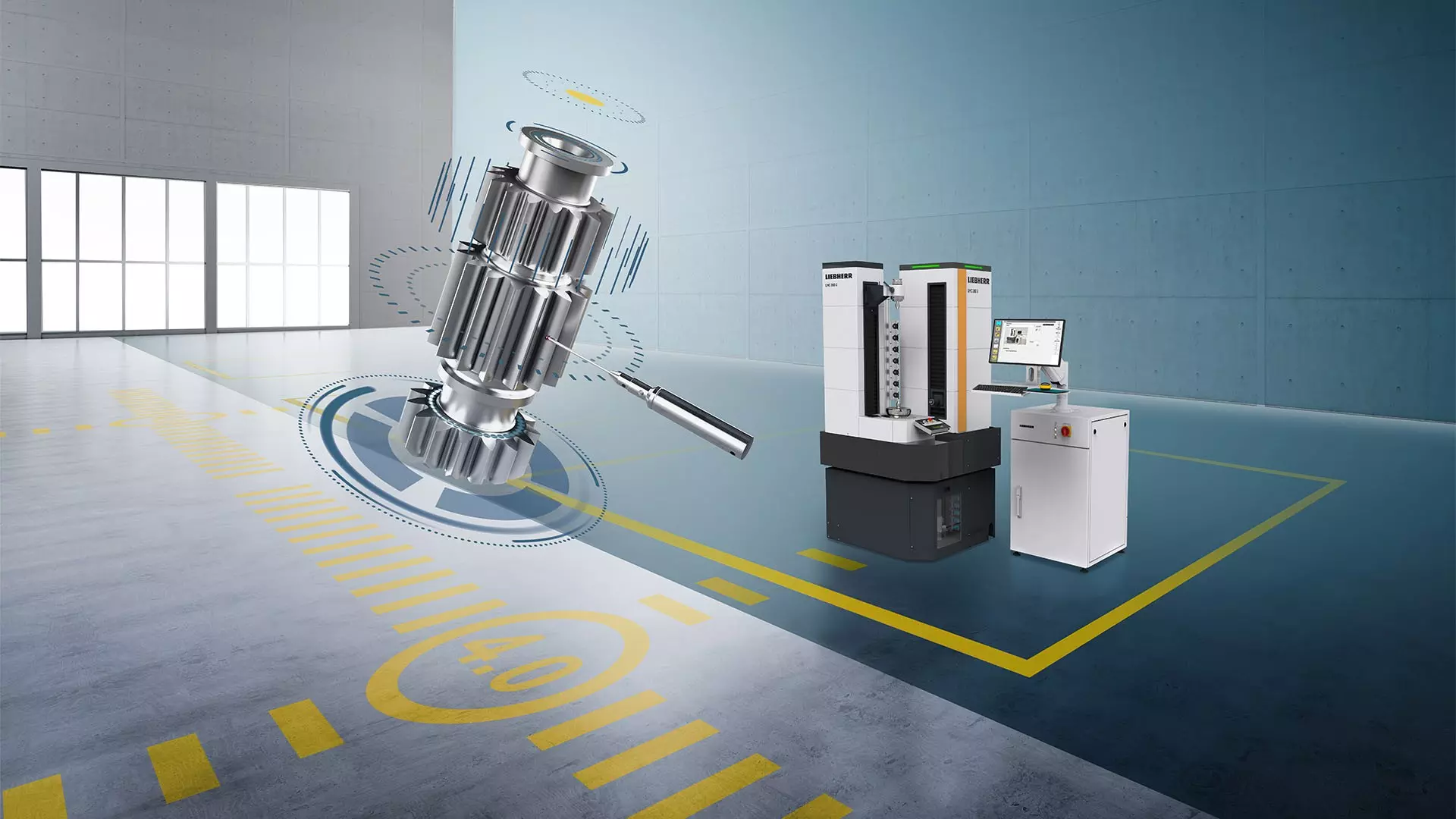
Industrial Computed Tomography in Aerospace, Automotive, and Engineering
Industrial manufacturing demands extreme accuracy, safety, and reliability. As components become more complex and tolerances tighter, traditional inspection methods are no longer enough.
Industrial computed tomography has emerged as a powerful non-destructive testing (NDT) technology, enabling manufacturers to inspect internal and external structures with unmatched precision.
Today, it plays a critical role across aerospace, automotive, and engineering industries.
What Is Industrial Computed Tomography?
Industrial computed tomography is an advanced inspection technique that uses X-rays to generate detailed 3D images of a component’s internal and external geometry.
Unlike conventional inspection methods, industrial computed tomography allows engineers to see inside parts without cutting, disassembling, or damaging them.
By capturing hundreds or thousands of X-ray projections and reconstructing them into a 3D model, industrial CT provides accurate measurements, defect detection, and material analysis in a single scan.
Why Industrial Computed Tomography Matters in High-Precision Industries
Aerospace, automotive, and engineering sectors all operate under strict quality, safety, and regulatory requirements. Industrial computed tomography supports these demands by offering:
- Non-destructive internal inspection
- High-resolution 3D visualisation
- Accurate dimensional measurement
- Early detection of defects
- Reduced inspection time and cost
These advantages make industrial computed tomography an essential tool for modern manufacturing and quality assurance.
Industrial Computed Tomography in Aerospace
In aerospace manufacturing, even the smallest defect can have serious consequences. Industrial computed tomography is widely used to inspect:
- Turbine blades and engine components
- Composite structures and bonded assemblies
- Additively manufactured (3D-printed) aerospace parts
- Internal cooling channels and voids
Industrial computed tomography enables aerospace engineers to verify internal geometries, detect cracks or porosity, and ensure compliance with stringent industry standards—without compromising the part.
Industrial Computed Tomography in Automotive Manufacturing
Automotive manufacturers rely on industrial computed tomography to improve quality, performance, and production efficiency. Common automotive applications include:
- Inspection of castings and moulded components
- Detection of internal voids, inclusions, and cracks
- Dimensional analysis of complex assemblies
- Validation of lightweight and electric vehicle components
By integrating industrial computed tomography into quality control processes, automotive companies can reduce scrap rates, improve reliability, and accelerate product development cycles.
Industrial Computed Tomography in Engineering Applications
Across broader engineering sectors, industrial computed tomography supports design validation, failure analysis, and process optimisation. Engineers use industrial CT scanning to:
- Analyse internal structures and material distribution
- Perform non-destructive reverse engineering
- Identify root causes of component failure
- Validate tolerances against CAD models
This level of insight allows engineering teams to make data-driven decisions and improve both product performance and manufacturing efficiency.
Key Benefits of Industrial Computed Tomography
The growing adoption of industrial computed tomography is driven by several key benefits:
Comprehensive Inspection
A single CT scan provides both visual and metrological data, reducing the need for multiple inspection methods.
Increased Accuracy
Industrial computed tomography delivers highly precise measurements, even for complex internal geometries that cannot be accessed by traditional tools.
Faster Time to Market
By identifying defects early and reducing rework, industrial CT helps shorten development and production timelines.
Support for Advanced Manufacturing
Industrial computed tomography is particularly valuable for inspecting additive manufacturing and lightweight materials, where internal structures are critical.
Read: Advanced Shot Blasting Machine Manufacturing for the
The Future of Industrial Computed Tomography
As manufacturing moves towards Industry 4.0, industrial computed tomography continues to evolve. Advances in scanning speed, automation, and data analysis are making industrial CT more accessible and more integrated into digital workflows.
From aerospace to automotive and advanced engineering, industrial computed tomography is set to remain a cornerstone of precision inspection and quality assurance.
Conclusion
Industrial computed tomography has transformed inspection and quality control across aerospace, automotive, and engineering industries.
Its ability to deliver detailed, non-destructive insight into complex components makes it an indispensable tool for modern manufacturing.
By adopting industrial computed tomography, organisations can improve safety, ensure compliance, and maintain the highest standards of quality in an increasingly demanding industrial landscape.