India's Most Challenging Treks: Conquer the Toughest Trails in the Himalayas
India is a land of diverse landscapes, and the Himalayas offer some of the most thrilling trekking routes in the world. While many trails are suited for beginners and families, there are also paths meant only for the brave and experienced. These are treks that test your stamina, determination, and willpower. They take you through high-altitude passes, remote valleys, and rugged mountain terrain. If you are looking for a true challenge, then these are the most toughest treks in India that should be on your list.
These treks are not just about reaching a destination. They are about pushing your limits, surviving extreme conditions, and experiencing the raw beauty of nature. From deep snowfields and narrow ridges to steep climbs and unpredictable weather, these routes demand respect, preparation, and mental strength.
Most Toughest Treks in India
1. Chadar Trek – Walking on Frozen Zanskar River
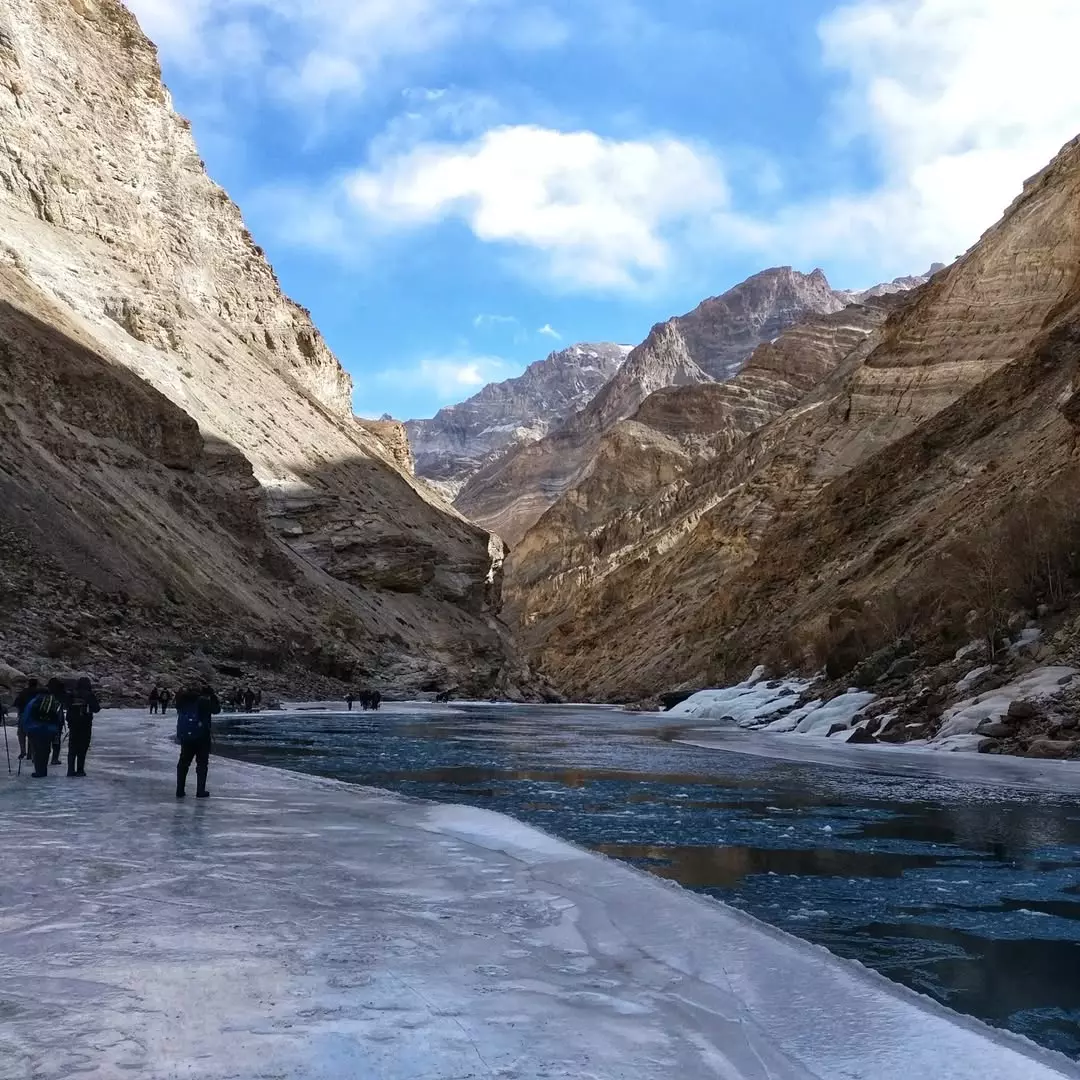
The Chadar Trek in Ladakh is one of the most unique and toughest treks in India. It involves walking on the frozen Zanskar River during the peak of winter, often in temperatures as low as -25°C. The icy surface cracks, shifts, and refreezes daily, making the journey unpredictable.
- Duration: 9 to 10 days
- Best time: January to February
- Altitude: Around 11,000 feet
- Difficulty: Extreme due to weather and surface conditions
This trek requires proper winter gear, mental toughness, and the ability to walk long distances in freezing cold. Yet, the experience of walking through frozen canyons, with massive ice walls on both sides, is unforgettable.
2. Auden’s Col Trek – A High-Altitude Expedition in Uttarakhand
Auden’s Col is one of the most difficult and technical treks in the Indian Himalayas. It connects the valleys of Rudugaira and Bhilangana and lies between Gangotri and Kedarnath. Trekkers have to cross glaciers, steep ascents, and crevassed snowfields.
- Duration: 15 to 18 days
- Best time: May to June and September to October
- Altitude: 5,490 meters (18,012 feet)
- Difficulty: Very High
This is a remote and less-traveled trek. There are no tea houses or villages along the way, so full support is required. The terrain is wild, the weather unpredictable, and the views absolutely grand.
3. Pin Parvati Pass Trek – Across the Great Himalayan Range
The Pin Parvati Pass Trek connects the lush Parvati Valley in Kullu with the barren Spiti region. The trek includes river crossings, glacier walks, and steep rocky trails. It is long, isolated, and physically draining.
- Duration: 10 to 12 days
- Best time: July to September
- Altitude: 5,319 meters (17,457 feet)
- Difficulty: High
One of the most rewarding aspects of this trek is the drastic change in scenery from green meadows and pine forests to arid landscapes and snow-covered passes. Only experienced trekkers with good endurance should attempt this route.
4. Kalindi Khal Trek – A High Pass Between Gangotri and Badrinath
Kalindi Khal is a high-altitude expedition trek that connects Gangotri and Badrinath. It crosses glaciers, crevasses, boulder fields, and snowfields. It is often attempted by seasoned mountaineers and requires excellent fitness.
- Duration: 15 to 17 days
- Best time: June and September
- Altitude: 5,947 meters (19,511 feet)
- Difficulty: Very High
This trek demands serious acclimatization and technical skills. The journey offers stunning views of peaks like Shivling, Bhagirathi, and Satopanth. It is considered one of the highest trekking passes in India.
5. Goechala Trek – Close Views of Mt. Kanchenjunga
While not the highest in altitude, the Goechala Trek in Sikkim is one of the most mentally and physically demanding treks due to its length, terrain, and weather. It offers close-up views of Mt. Kanchenjunga and many other Himalayan giants.
- Duration: 9 to 11 days
- Best time: April to June and September to November
- Altitude: 4,940 meters (16,207 feet)
- Difficulty: Moderate to High
Trekkers face long walking hours, freezing nights, and sharp altitude gains. However, the beauty of places like Dzongri and Samiti Lake make the effort worthwhile.
6. Lamkhaga Pass Trek – One of the Most Remote Passes in India
Lamkhaga Pass connects Harsil in Uttarakhand with Chitkul in Himachal. It is one of the most remote and toughest treks in India, with no habitation for several days. Trekkers walk through deep snow, rocky trails, and glaciers.
- Duration: 10 to 12 days
- Best time: May to June and September
- Altitude: 5,282 meters (17,320 feet)
- Difficulty: Very High
This trek is suited only for experienced trekkers and requires permissions, logistics, and an experienced guide. The isolation and raw nature of this trail are unmatched.
7. Nanda Devi Base Camp Trek – Inner Sanctuary Approach
This trek takes you close to the base of Nanda Devi, India’s second-highest peak. It passes through the Nanda Devi Biosphere Reserve, alpine meadows, and remote villages.
- Duration: 9 to 12 days
- Best time: May to October
- Altitude: 4,200 meters (13,780 feet)
- Difficulty: Moderate to Tough
Though not the highest trek, the remote location, long duration, and restrictions make this a challenging adventure.
Tips Before Attempting the Toughest Treks in India
- Train before your trek: Build stamina with cardio, strength training, and long walks.
- Acclimatize well: Spend time at altitude before starting the main trek.
- Hire experienced guides: Especially for glacier or high-pass crossings.
- Check for permits: Many of these treks are in protected zones and require permission.
- Pack carefully: Carry cold-weather gear, trekking poles, and personal medication.
- Be weather aware: Keep track of local weather and route conditions.
- Travel insurance helps: Choose plans that cover high-altitude trekking.
Conclusion
India’s toughest treks are not just routes on a map they are journeys that push you beyond limits. These trails offer unmatched beauty, isolation, and thrill for those who are ready to face the challenge. Whether you're crossing frozen rivers, climbing high passes, or trekking through deep valleys, each step brings you closer to the heart of the Himalayas. If you're ready for true adventure, then tackling the most toughest treks in India is the perfect goal.