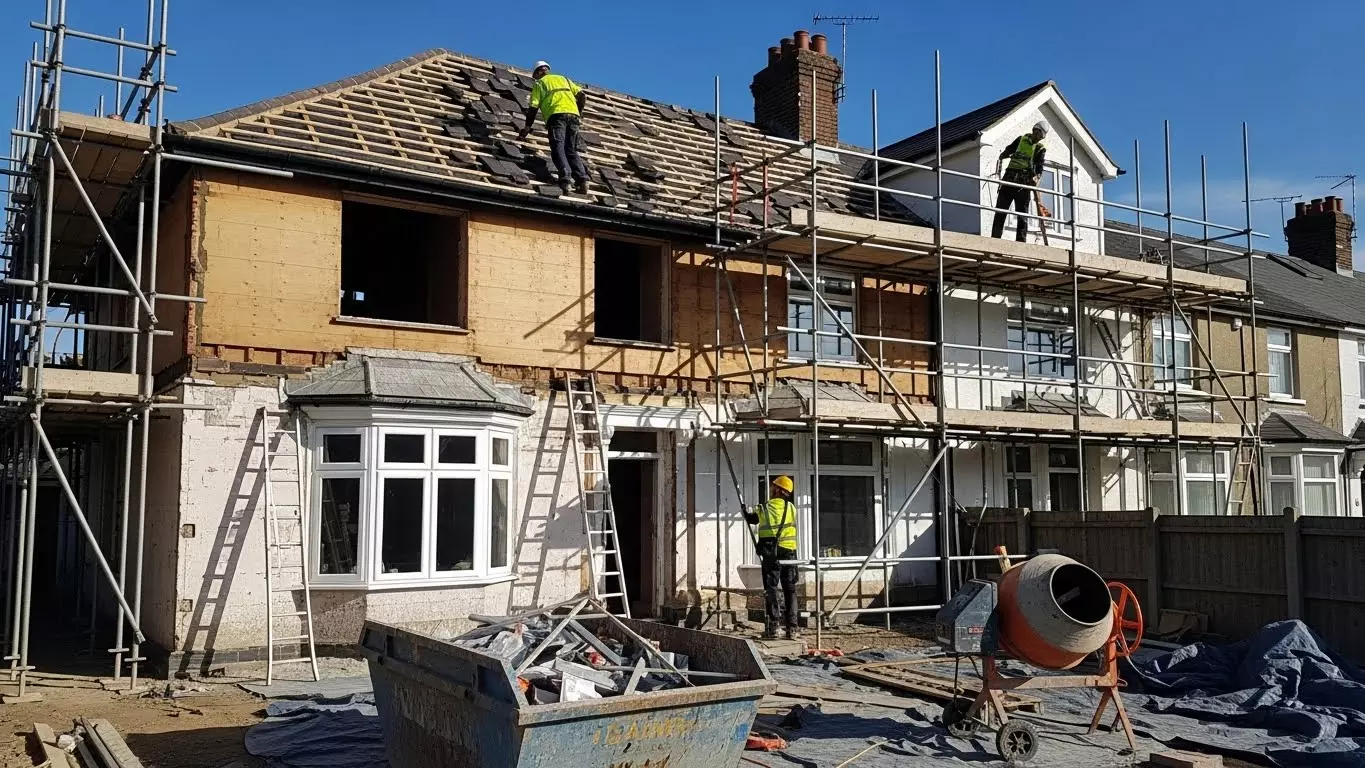
In what order should you renovate a house?
The best sequence is planning and design, structural repairs and framing, electrical and plumbing rough in, insulation and drywall, flooring and cabinetry, painting and finishes, then fixtures and final touches. Staging the work this way reduces rework, controls cost, and keeps the project moving smoothly.
Renovating a home is equal parts emotion and logistics. You want the dream kitchen, the cosy bathroom, the refreshed living areas. At the same time you need a realistic budget, competent tradespeople, and an understanding of local permits. This guide walks you through the process with practical steps, smart tips and the language you need to hire the right professionals and avoid common renovation mistakes.
Why start with a plan and design
A good renovation begins long before hammers hit nails. Planning is where you translate ideas into drawings, cost estimates and a realistic timeline. A professional designer or architect can help turn vague wishes into specifications that tradespeople can price and build from. When fixtures, finishes and appliances are decided in advance, contractors can give accurate estimates and you will avoid costly change orders.
Secondary keyword focus: planning and design, renovation checklist, renovation timeline
A clear plan also helps when seeking permits. Local council approvals depend on submitted drawings. If you skip the plan stage you risk construction delays and extra expense.
Structural work and hidden problems
Once the plan is ready, you check structure and resolve hidden problems. Old homes often reveal rot, outdated wiring, or water damage once demolition begins. Resolve foundation or framing issues first so the rest of the schedule makes sense.
Secondary keyword focus: structural repairs, hidden damage
If you ignore structural work and proceed with cosmetic upgrades, you may undo your own investment. Schedule inspections early and include a contingency in the budget for surprises.
Electrical, plumbing and HVAC rough in
After structural repairs, the next step is the rough in for electrical, plumbing and heating or cooling systems. This is when new circuits, pipes and ducts are installed before walls are closed up.
Secondary keyword focus: electrical upgrades, plumbing upgrades, HVAC improvements
Do the rough in now so insulation and drywall can be fitted without later cutting into finished surfaces.
Insulation, drywall and soundproofing
With the mechanical work done, install insulation, then drywall and any soundproofing for shared walls. Proper insulation improves comfort and energy efficiency and can affect heating and cooling bills over time.
Secondary keyword focus: energy efficient upgrades, insulation
Drywall finishing is a multi step process that requires drying time between coats. Factor those hold times into your renovation timeline.
Flooring, cabinetry and fixed fittings
Once walls are ready, install fixed elements like flooring, built in cabinets and kitchen islands. Flooring choices affect adjacent trades, so coordinate materials and delivery times. If you install hardwood floors do it before some of the heavier cabinetry to avoid damage.
Secondary keyword focus: flooring installation, cabinetry selection, kitchen remodel
Choosing durable materials for high traffic areas prevents premature wear and reduces maintenance over the life of the renovation.
Painting, tiles and surface finishes
With big elements in place you can complete painting, tile work and finish carpentry. Paint sets the tone visually and is one of the fastest ways to refresh a space. Tile work such as backsplashes and bathroom walls must be installed carefully and allowed to cure properly.
Secondary keyword focus: painting tips, tile installation, bathroom renovation
Quality finishing makes the difference between kitchen that looks good and kitchen that feels premium.
Fixtures, appliances and final touches
The last stage is installation of fixtures, appliances, lighting, hardware and decorative pieces. Final plumbing connections and electrical trims happen now. A professional handover includes a walkthrough with the contractor or builder so you understand warranties, maintenance and any items that remain to be completed.
Secondary keyword focus: appliances selection, fixture installation, renovation checklist
How to choose a contractor who earns your trust
Choosing the right contractor is one of the biggest decisions in a renovation. Rushing this step leads to cost blowouts, delays and workmanship problems. Here is a homeowner focused checklist you can use.
Check experience and portfolio
Hire a contractor who has completed projects similar to yours. Ask to see recent work and speak to references.
Verify licensing and insurance
Make sure the contractor holds the required license for your area and carries liability and worker compensation insurance.
Ask for a detailed written estimate
A professional quote lists scope, materials, allowances and timeline. It should also specify a payment schedule and what constitutes a change order.
Read reviews and request references
Online ratings add context but speaking to past clients gives you real insight into reliability and how the contractor manages problems.
Assess communication and project management style
Frequent, clear communication reduces stress. Agree how site updates and issues will be handled.
Secondary keyword focus: home renovation contractors, how to hire a contractor, renovation contract
A clear contract protects both parties and gives you a basis for dispute resolution if things go off track.
Budgeting smartly for your renovation
Successful renovations use three budgets. The first is the initial cost estimate. The second is the owner decided budget that sets hard limits. The third is the contingency fund for unknowns. A realistic contingency is usually between five and fifteen percent depending on the age of the home and the extent of structural work.
Secondary keyword focus: budget for renovation, cost of renovating a house, renovation budget tips
When comparing quotes, do not focus only on the bottom line. Consider material quality, warranty and the level of detail in the estimate.
Read: Top Remodeling Contractors Elevating Homes in Amsterdam
Permits and compliance
Check which permits you need early. Structural changes, plumbing or electrical upgrades commonly require approval. Starting without permits can lead to fines and possibly having to undo work. A good contractor will guide you through local council requirements and help manage the approval process.
Secondary keyword focus: permits for renovation, building regulations
Material selection and sustainability
Choose materials that match your lifestyle and durability needs. For kitchens and bathrooms, consider moisture resistant materials and tiles with long warranties. For energy efficiency, choose double glazed windows, LED lighting and high rating appliances.
Secondary keyword focus: materials selection, energy efficient upgrades, sustainable renovation
Sustainable choices can lower ongoing utility bills and increase resale value.
Project management and homeowner involvement
You do not have to oversee every minute of the renovation but be involved in milestone decisions. Schedule regular check ins, document changes and keep a written record of any agreed variations. Respect the trade professionals you hire while maintaining clear expectations.
Secondary keyword focus: project management, renovation checklist, how to manage a renovation project
Keep an accessible folder with contracts, warranties, permits and product manuals for future reference.
Common renovation mistakes and how to avoid them
- Underestimating contingencies
- Selecting the cheapest bid without vetting credentials
- Changing plans constantly during construction
- Skipping permits or inspections
- Purchasing fixtures late and creating delivery delays
Avoid these mistakes by planning thoroughly and keeping decisions firm once construction starts.
When to DIY and when to hire a professional
DIY is attractive for small cosmetic work but it is risky for structural, electrical and plumbing tasks. If your project affects safety or compliance, hire licensed tradespeople. Small tasks you can keep for yourself include painting a single room, installing door hardware or some trim work if you have basic skills.
Secondary keyword focus: DIY vs professional, renovation mistakes
How renovations add value to your home
Certain upgrades routinely produce strong returns. Kitchen upgrades, modern bathrooms, energy efficient windows and improved layout and storage increase appeal to buyers. Even small upgrades like lighting or fresh paint can make a home feel new and encourage higher offers.
Secondary keyword focus: what adds the most value in home renovation, increase property value
Practical timeline example for a medium sized renovation
Planning and approvals two to six weeks
- Demolition one week
- Structural repairs one to three weeks
- Mechanical rough in one to two weeks
- Insulation and drywall one to two weeks
- Flooring and cabinetry two to four weeks
- Finishes and fixtures one to two weeks
- Final inspection and handover one week
Timelines vary by scope and local factors. Older homes and projects requiring complex structural work take longer.
Why experienced firms make the difference
A full service renovation company coordinates trades, handles permits and manages the build. They are a single point of accountability when things go wrong. When you engage an experienced team you reduce risk, simplify communication and get access to vetted suppliers.
PDCD Homes has a reputation for clear quoting, reliable scheduling and quality finish. Their approach demonstrates why professional management matters for successful renovations.
Conclusion
Renovation is a journey that rewards careful planning, realistic budgets and skilled tradespeople. Start with a detailed plan, fix structural issues first, complete mechanical rough in before closing walls, and sequence finishes to avoid rework. Take time to choose a contractor you trust, verify licenses and insurance, and keep a contingency for surprises. With the right team and a pragmatic approach, your renovation will deliver comfort, functionality and long term value.
PDCD Homes can help guide homeowners through every stage from design to handover ensuring compliance, quality and clear communication.
Frequently asked questions
What is the best order to renovate a house?
Start with planning and design, address structural repairs, complete electrical and plumbing rough in, then install insulation and drywall, follow with flooring and cabinetry, finish with painting and fixtures.
How do I choose the right renovation contractor?
Check portfolios and references, verify licensing and insurance, request detailed written estimates and confirm the proposed timeline and payment schedule.
How much should I budget for unexpected issues?
Plan a contingency. For older homes allow five to fifteen percent of the project value for hidden problems.
Do I need permits for a renovation?
If you change structure, alter plumbing or electrical systems, or significantly change the footprint, you will likely need permits. Confirm with local council and your contractor.
Can I live in my home during renovation?
It depends on the scope. Small cosmetic projects may allow you to stay. For kitchen or whole house renovations consider temporary accommodation for safety and convenience.