Importance of Heavy-Duty Cables in Large Construction Projects
Large construction projects are complex operations that demand robust planning, coordination, and reliable infrastructure.
Among the many critical components, electrical systems play a central role in powering equipment, enabling operations, and ensuring safety across the site.
From high-rise buildings to industrial plants, uninterrupted power supply is essential for maintaining efficiency and meeting project deadlines.
Heavy-duty cables form the backbone of this electrical infrastructure. They are designed to handle high loads, withstand harsh environments, and provide consistent performance under demanding conditions. Without them, construction sites would face frequent power disruptions, safety risks, and costly delays.
The role of electric cable manufacturers in Pakistan is vital in supporting these projects by producing high-quality cables that meet both national and international standards. Their contribution ensures that construction projects operate safely and efficiently.
Understanding Heavy-Duty Cables
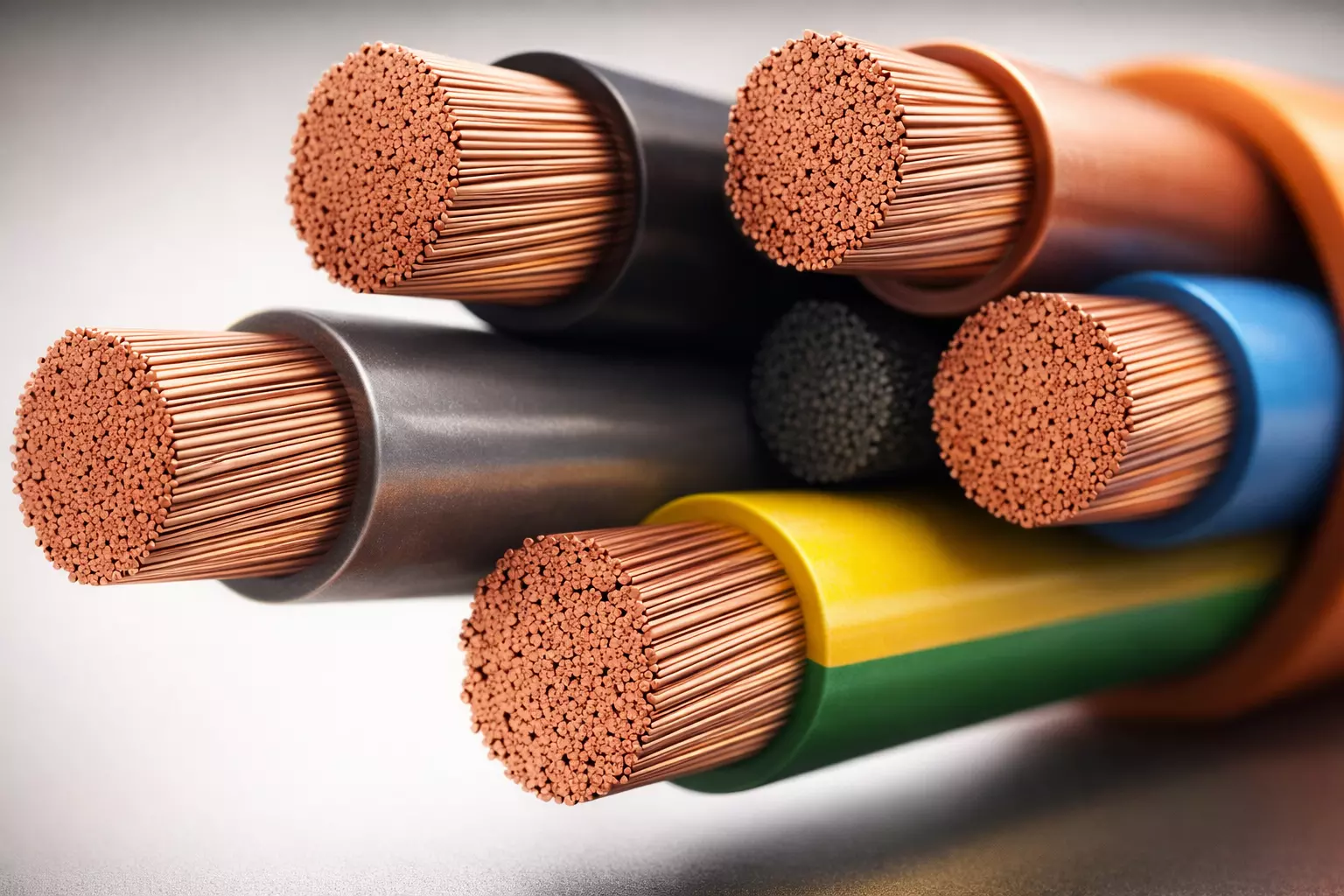
Heavy-duty cables are specifically engineered to carry large amounts of electrical current while maintaining durability and safety.
These cables are designed for demanding applications where standard cables may fail due to overload, environmental stress, or mechanical damage.
Key Characteristics
- High current-carrying capacity
- Strong insulation and protective layers
- Resistance to heat, moisture, and chemicals
- Long operational lifespan
Standard vs Heavy-Duty Cables
Unlike standard cables used in residential applications, heavy-duty cables are built with thicker conductors and advanced insulation materials. They are capable of operating in extreme conditions without compromising performance.
Materials Used
- Copper conductors for excellent conductivity
- Advanced insulation such as PVC, XLPE, or XLPO
- Protective shielding and armoring for durability
Durability is critical in construction environments where cables are exposed to physical stress, weather fluctuations, and heavy machinery.
Role of Heavy-Duty Cables in Construction Projects
1. Power Distribution
Heavy-duty cables are essential for distributing electricity across large construction sites. They ensure that power reaches every corner of the project, from temporary offices to heavy machinery zones.
2. Equipment Operation
Construction projects rely on equipment such as cranes, lifts, drilling machines, and concrete mixers. Heavy-duty cables provide the necessary power to operate this equipment efficiently, ensuring uninterrupted workflows.
3. Temporary vs Permanent Installations
During the construction phase, temporary cable installations are used to support ongoing activities. Once the project is completed, permanent cable systems are integrated into the building’s infrastructure.
Heavy-duty cables are suitable for both applications due to their reliability and strength.
Types of Cables Used in Large Construction Projects
1. Low Voltage Cables
Low voltage cables are widely used for lighting systems, small equipment, and internal wiring. The demand for low voltage cables in Pakistan continues to grow due to increasing construction activities and urban development.
2. Medium Voltage Cables
These cables are used for transmitting electricity over longer distances within large projects. They are commonly found in commercial buildings and industrial facilities.
3. Solar Cables
Modern construction projects increasingly incorporate renewable energy solutions. dc solar cables in Pakistan are specifically designed for solar power systems, offering durability and resistance to UV exposure and extreme weather.
4. Specialized Cables
- Fire-resistant cables for safety-critical areas
- Armored cables for protection against physical damage
- Flexible cables for dynamic installations
Each type of cable serves a specific purpose, ensuring that construction projects operate smoothly and safely.
Key Features of Heavy-Duty Cables
Heavy-duty cables are designed with features that make them suitable for demanding environments:
- High load-bearing capacity: Supports heavy electrical loads without overheating
- Heat and weather resistance: Performs well in extreme temperatures
- Mechanical strength: Withstands physical stress and impact
- Flexibility: Allows easy installation in complex layouts
- Chemical and moisture resistance: Prevents damage in harsh environments
- Long lifespan: Reduces the need for frequent replacements
These features ensure that cables remain reliable throughout the construction process and beyond.
Importance of Quality and Certification
Quality is a critical factor when selecting cables for construction projects. High-quality cables comply with national and international standards, ensuring safety and performance.
Independent laboratory testing plays a key role in verifying cable quality. Certified cables are tested for electrical performance, durability, and safety compliance.
Using certified products offers several advantages:
- Reduced risk of electrical failures
- Improved safety for workers
- Long-term reliability
- Compliance with regulations
Investing in quality cables minimizes risks and ensures that projects meet industry standards.
Safety Benefits of Heavy-Duty Cables
Safety is a top priority in construction projects, and heavy-duty cables contribute significantly to maintaining a safe working environment.
Key Safety Benefits
- Prevention of electrical hazards such as shocks and short circuits
- Fire-resistant properties to reduce fire risks
- Protection against overheating and insulation failure
- Enhanced safety for workers and equipment
By reducing the likelihood of electrical incidents, heavy-duty cables help create a safer construction site.
Impact on Project Efficiency
Reliable electrical systems are essential for maintaining project efficiency. Heavy-duty cables ensure consistent power supply, allowing construction activities to proceed without interruptions.
Benefits for Efficiency
- Minimizes downtime caused by power failures
- Supports continuous operation of machinery
- Reduces maintenance and repair costs
- Helps meet project deadlines
Efficient power distribution directly impacts productivity and overall project success.
Choosing the Right Cable for Construction Projects
1. Load Requirements
Understanding the power requirements of a project is crucial. Selecting cables with the appropriate load capacity prevents overheating and ensures optimal performance.
2. Environmental Conditions
Construction sites often expose cables to harsh conditions, including extreme temperatures, moisture, and chemicals. Choosing cables designed for these conditions ensures durability.
3. Cable Specifications
Key specifications to consider include:
- Insulation type
- Voltage rating
- Flexibility and installation requirements
Careful selection ensures that cables meet the specific needs of the project.
Role of Innovation in Cable Manufacturing
Advancements in cable technology have significantly improved performance and reliability. Modern manufacturing processes focus on enhancing insulation materials, increasing efficiency, and reducing environmental impact.
Key Innovations
- Improved insulation for better heat resistance
- Advanced materials for longer lifespan
- Energy-efficient designs
- Sustainable manufacturing practices
Continuous improvement in cable manufacturing ensures that products meet evolving industry demands.
Industries Benefiting from Heavy-Duty Cables
Heavy-duty cables are essential across various industries, including:
- Construction and infrastructure development
- Commercial buildings
- Industrial plants
- Renewable energy projects
- IT and data centers
Their versatility makes them a critical component in modern development projects.
Contribution of Cable Manufacturers in Pakistan
The cable manufacturing industry in Pakistan has grown significantly over the years. Local manufacturers play a crucial role in supporting infrastructure development by producing high-quality cables that meet international standards.
Electric cable manufacturers in Pakistan contribute to:
- National development projects
- Industrial growth
- Energy sector improvements
- Export opportunities
Their commitment to quality and innovation ensures that construction projects have access to reliable cable solutions.
Common Challenges in Construction Cable Usage
Despite their importance, cables in construction projects face several challenges:
- Exposure to harsh environmental conditions
- Risk of overloading due to improper planning
- Physical damage from machinery
- Maintenance and installation issues
Choosing the right cables and following proper installation practices can help overcome these challenges.
Read: Adaptors and Reducers: Essential Cable Gland
Future Trends in Construction Cables
The future of construction cables is shaped by technological advancements and sustainability goals.
Emerging Trends
- Smart cables with monitoring capabilities
- Increased use of solar and renewable energy solutions
- Eco-friendly materials and manufacturing processes
- Integration with digital construction systems
The growing demand for dc solar cables in Pakistan reflects the shift toward sustainable energy solutions in construction projects.
Conclusion
Heavy-duty cables are an essential component of large construction projects, providing the reliability, safety, and efficiency required for successful operations.
From power distribution to equipment operation, these cables play a vital role in ensuring smooth project execution.
The use of high-quality, certified cables reduces risks, enhances safety, and improves long-term performance. With the continued growth of infrastructure development, the importance of reliable cable solutions will only increase.
By choosing the right products and working with trusted electric cable manufacturers in Pakistan, construction projects can achieve greater efficiency, safety, and sustainability.