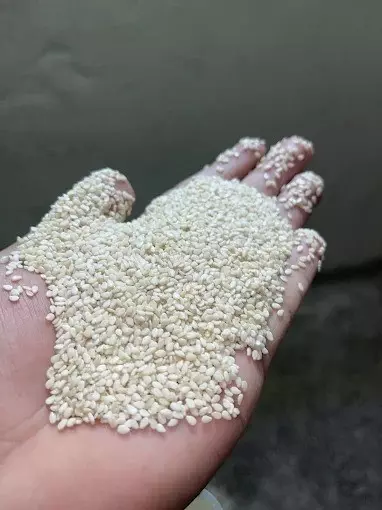
How to Import Sesame Seeds in India from Pakistan
India is one of the largest consumers of sesame seeds, using them in sweets, bakery items, oil production, and exports. Pakistan, on the other hand, is a major producer of high-quality sesame seeds. For Indian buyers, importing sesame seeds from Pakistan can be a cost-effective way to meet growing demand. This guide explains the step-by-step process, documentation, and important factors to consider when importing sesame seeds in India from Pakistan.
Step 1: Understand Import Regulations in India
Before starting, importers must be aware of the regulations that govern food imports. Sesame seeds fall under the category of agricultural commodities, so they require compliance with:
- FSSAI (Food Safety and Standards Authority of India) approval for food-grade seeds.
- DGFT (Directorate General of Foreign Trade) licensing under the Foreign Trade Policy.
- Phytosanitary Certificate issued by the exporting country (Pakistan) to ensure seeds are pest- and disease-free.
- BIS (Bureau of Indian Standards) certification may apply if seeds are processed or packaged.
Step 2: Select a Reliable Supplier in Pakistan
Pakistan produces sesame seeds in different varieties such as white, black, and brown. When choosing a supplier:
- Verify the company’s export license and registration.
- Check product quality — oil content, moisture level, cleanliness, and purity.
- Ask for samples before placing a bulk order.
- Ensure the supplier can provide certifications such as organic, HACCP, or ISO (if needed).
You can explore platforms different platfroms.
to connect with verified exporters in Pakistan.
Step 3: Complete Import Documentation
To legally import sesame seeds, Indian buyers must have the following documents ready:
- Importer Exporter Code (IEC) from DGFT.
- Bill of Lading or Airway Bill from the shipping company.
- Commercial Invoice & Packing List provided by the supplier.
- Certificate of Origin from Pakistan.
- Phytosanitary Certificate to prove seeds are pest-free.
- FSSAI Clearance at the Indian port.
Step 4: Shipping and Logistics
There are two main shipping options for sesame seed imports:
- Sea Freight – cost-effective for bulk shipments, usually via Karachi Port to Indian ports like Mundra, Nhava Sheva, or Kandla.
- Land Route – through Wagah Border (Attari) for quicker delivery, though volumes may be smaller compared to sea shipments.
Proper packaging is crucial to maintain quality. Most exporters pack sesame seeds in 50 kg PP bags or bulk containers to ensure freshness.
Step 5: Customs Clearance in India
Once the shipment arrives:
- File a Bill of Entry with Indian Customs.
- Pay applicable import duty and GST (these vary depending on government policies).
- Submit required certificates for FSSAI inspection.
- After clearance, the goods can be transported to warehouses or processing units.
Step 6: Build Long-Term Trade Relations
Importing sesame seeds is not just about one-time transactions. To ensure smooth business operations:
- Work with suppliers who have a proven track record of timely delivery.
- Sign long-term supply contracts to secure stable pricing.
- Maintain transparent communication regarding quality specifications.
- Consider third-party inspection for bulk shipments.
Benefits of Importing Sesame Seeds from Pakistan to India
- Cost Advantage – Pakistan’s proximity reduces freight costs.
- Quality Seeds – High oil content and variety of colors (white, black, roasted).
- Quick Supply Chain – Easy transportation by sea or land.
- Trusted Exporters – Many suppliers in Pakistan specialize in sesame trade for global markets.
Conclusion
Importing sesame seeds from Pakistan to India is a profitable opportunity for businesses in the food and oil sectors. By following the right steps — from regulatory approvals to supplier verification and customs clearance — importers can build a reliable supply chain.
If you’re looking to connect with trusted suppliers, platforms like SesameSuppliers
provide direct access to exporters offering premium quality sesame seeds for Indian markets.