Hydroxychloroquine: Uses, Benefits, and Risks Explained
Hydroxychloroquine is a well-known medication that has been used for decades to treat a variety of medical conditions.
Originally developed as an antimalarial drug, it has since gained importance in managing autoimmune diseases such as lupus and rheumatoid arthritis. In recent years, it has also been widely discussed due to its controversial use during the COVID-19 pandemic.
In this article, we’ll break down the uses, benefits, and risks of Hydroxychloroquine in simple, user-friendly language.
What Is Hydroxychloroquine?
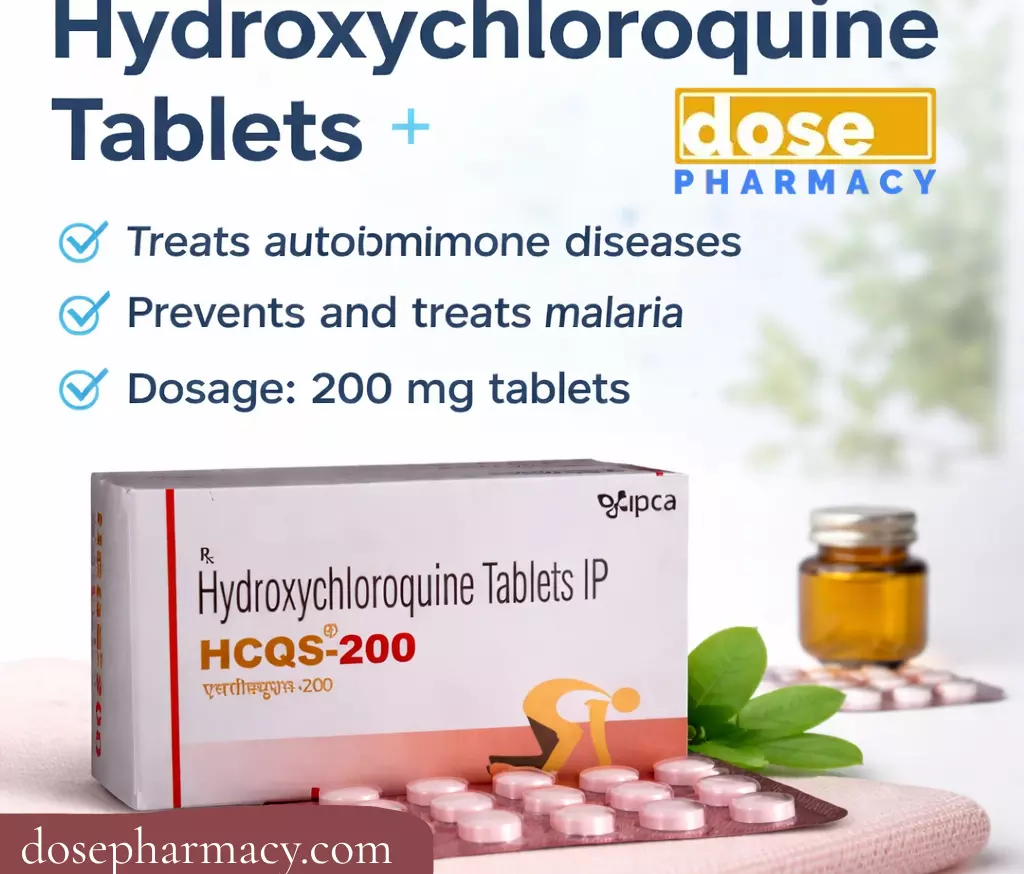
Hcqs 200 is a prescription medicine that belongs to a class of drugs known as antimalarials. It works by interfering with the growth of parasites in the case of malaria and by modifying the immune system in autoimmune diseases. You can also visit dosepharmacy to get more information about Hcqs 200.
Doctors prescribe it under strict medical supervision because it affects multiple systems in the body.
Common Uses of Hydroxychloroquine
1. Malaria Treatment and Prevention
Hydroxychloroquine has long been used to treat and prevent Malaria. It kills the parasite responsible for malaria, helping reduce symptoms like fever, chills, and body aches.
However, in some regions, malaria parasites have developed resistance, so alternative treatments may be preferred.
2. Autoimmune Diseases
Hydroxychloroquine is widely used to manage autoimmune conditions where the immune system mistakenly attacks the body.
a. Lupus
It is a first-line treatment for Systemic Lupus Erythematosus. It helps reduce inflammation, prevent flare-ups, and protect organs.
b. Rheumatoid Arthritis
Patients with Rheumatoid Arthritis benefit from reduced joint pain, swelling, and stiffness.
3. Other Off-Label Uses
Doctors sometimes prescribe Hydroxychloroquine for other conditions such as:
- Certain skin disorders
- Chronic inflammatory conditions
Benefits of Hydroxychloroquine
1. Effective Long-Term Disease Control
For autoimmune diseases, Hydroxychloroquine is considered a cornerstone treatment. It helps:
- Reduce disease flare-ups
- Improve quality of life
- Slow disease progression
2. Anti-Inflammatory Properties
Hydroxychloroquine works by calming the immune system, making it highly effective in reducing inflammation.
3. Well-Tolerated by Many Patients
Compared to stronger immunosuppressants, Hydroxychloroquine is generally milder and safer when used correctly.
4. Oral and Convenient
It is available in tablet form, making it easy to take without the need for injections or hospital visits.
Risks and Side Effects
While Hydroxychloroquine has many benefits, it is not without risks.
1. Common Side Effects
These are usually mild and may include:
- Nausea or vomiting
- Stomach pain
- Headache
- Skin rash
2. Eye Problems (Retinopathy)
One of the most serious risks is eye damage, especially with long-term use. This condition can affect vision and may become permanent if not detected early.
Regular eye check-ups are essential for patients taking Hydroxychloroquine.
3. Heart Issues
In rare cases, Hydroxychloroquine can affect heart rhythm, leading to serious complications.
4. Muscle Weakness
Some patients may experience muscle weakness or nerve-related issues over time.
5. Drug Interactions
Hydroxychloroquine may interact with other medications, including:
- Heart medications
- Antidepressants
- Antibiotics
Always inform your doctor about all medicines you are taking.
Who Should Avoid Hydroxychloroquine?
Hydroxychloroquine may not be suitable for:
- People with pre-existing eye conditions
- Patients with heart rhythm disorders
- Those allergic to similar medications
Pregnant or breastfeeding women should only take it under medical supervision.
Read: Is Metformin Enough to Control Type 2 Diabetes?
Safe Usage Tips
To minimize risks, follow these tips:
- Take the medication exactly as prescribed
- Do not skip doses or double-dose
- Get regular eye exams
- Report any unusual symptoms immediately
Hydroxychloroquine and COVID-19
During the COVID-19 pandemic, Hydroxychloroquine was widely discussed as a potential treatment. However, research later showed that it is not effective for treating COVID-19, and its use for this purpose is no longer recommended by major health authorities.
Hydroxychloroquine remains an important medication in modern medicine, especially for treating autoimmune diseases and malaria. While it offers significant benefits, it must be used responsibly due to potential side effects.
The key to safe and effective use is proper medical guidance, regular monitoring, and awareness of risks.
FAQs
1. How long does Hydroxychloroquine take to work?
For autoimmune diseases, it may take 4 to 12 weeks to show noticeable improvement.
2. Can Hydroxychloroquine be taken daily?
Yes, it is often prescribed as a daily medication, but only under a doctor’s supervision.
3. Is Hydroxychloroquine safe for long-term use?
It can be safe for long-term use if monitored properly, especially with regular eye exams.
4. What should I avoid while taking Hydroxychloroquine?
Avoid alcohol in excess and inform your doctor about other medications to prevent interactions.
5. Can Hydroxychloroquine cure autoimmune diseases?
No, it does not cure conditions like lupus or rheumatoid arthritis, but it helps manage symptoms effectively.
6. What happens if I miss a dose?
Take it as soon as you remember. If it’s close to your next dose, skip the missed one—do not double dose.
7. Is Hydroxychloroquine still used today?
Yes, it is still widely used for autoimmune diseases and certain malaria cases.