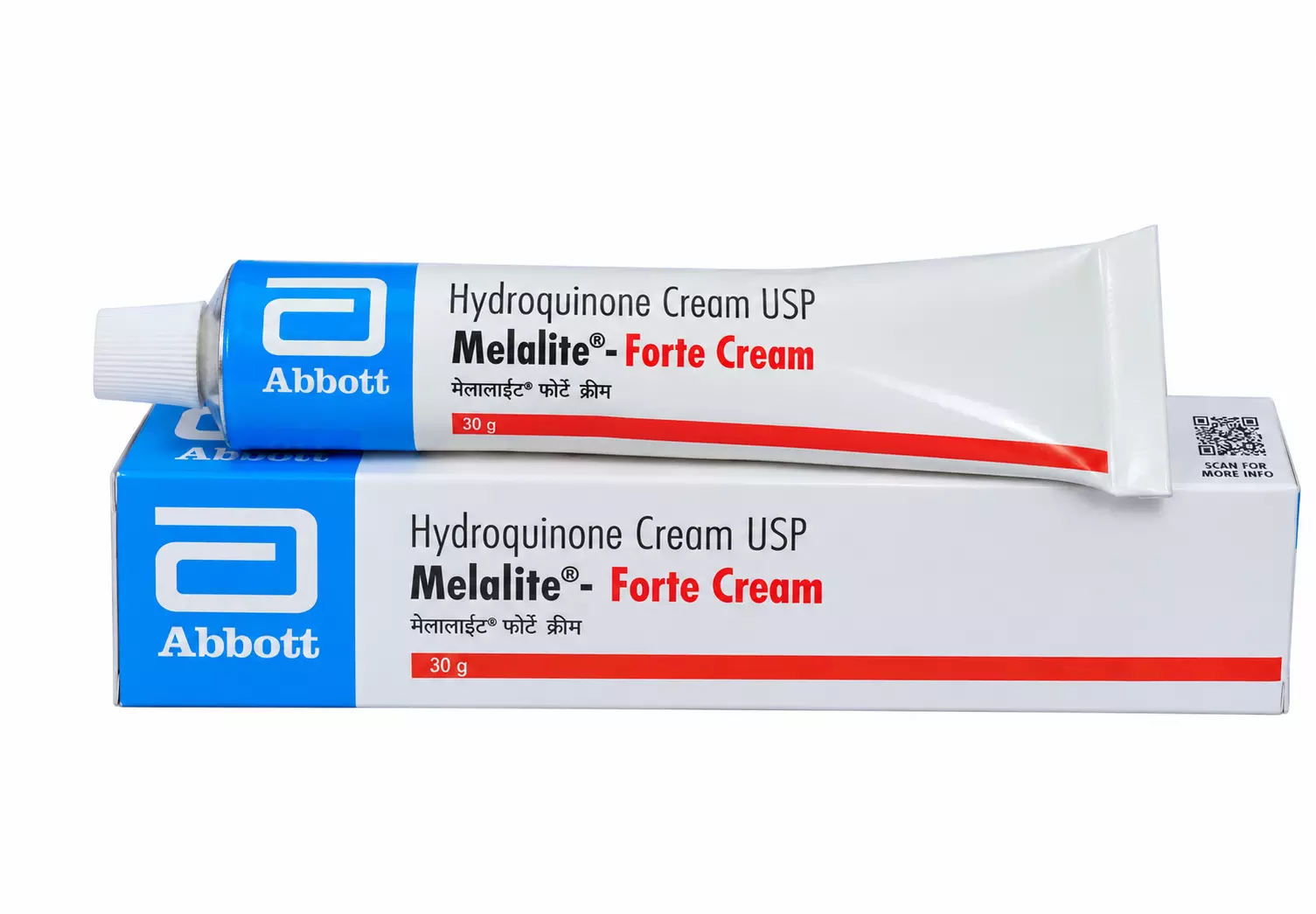
Hydroquinone Cream and Gel for Dark Spots, Melasma & Hyperpigmentation
Uneven skin tone, dark spots, melasma, and post-acne marks can affect the overall appearance of your skin. Hydroquinone cream and gel are topical treatments used to help reduce excess skin pigmentation and improve the appearance of darkened areas.
When recommended by a qualified healthcare professional, hydroquinone can be an option for managing certain types of hyperpigmentation.
At SkinCareGlows, you can explore skincare products designed for targeted skin concerns, including hydroquinone-based formulations.
Choosing the right product and following appropriate skincare guidance can help you manage pigmentation concerns while protecting your skin's health.
What Is Hydroquinone Cream and Gel?
Hydroquinone is a topical skin-lightening agent that works by reducing melanin production in the skin. Melanin is the natural pigment responsible for skin colour. When melanin accumulates in certain areas, it can lead to dark patches, brown spots, and an uneven complexion.
Hydroquinone cream and gel formulations are used to help lighten areas affected by excess pigmentation. The appropriate formulation and concentration depend on your skin condition, product ingredients, and advice from a healthcare professional.
Benefits of Hydroquinone for Hyperpigmentation
When used appropriately under medical supervision, hydroquinone may help improve the appearance of several pigmentation concerns.
1. Helps Reduce Dark Spots
Hydroquinone is commonly used to treat hyperpigmented areas, including certain sun spots, age spots, and persistent dark marks. With appropriate treatment, affected areas may gradually become less noticeable.
2. Helps Manage Melasma
Melasma causes brown or grey-brown patches, often on the cheeks, forehead, and upper lip. Hydroquinone may be recommended as part of a dermatologist-guided treatment plan to help reduce excess pigmentation.
3. Improves the Appearance of Post-Acne Marks
Some acne blemishes leave dark marks even after the inflammation has settled. Hydroquinone may help fade these post-inflammatory hyperpigmentation marks when they are suitable for treatment with this ingredient.
4. Supports a More Even-Looking Skin Tone
By reducing excess melanin production in treated areas, hydroquinone can help minimise the contrast between darker patches and surrounding skin. Results vary depending on the cause, depth, and severity of pigmentation.
Read: Top 10 Must-Have Skincare Products for Glowing Skin in
How Does Hydroquinone Work?
Hydroquinone works by inhibiting tyrosinase, an enzyme involved in melanin production. By limiting this process, it helps gradually reduce excess pigmentation in affected areas.
It is important to understand that hydroquinone is a targeted treatment for certain pigmentation concerns, not a general skin-whitening product. It does not guarantee permanent results, and pigmentation may return if the underlying triggers, including sun exposure, are not addressed.
Hydroquinone Cream vs. Hydroquinone Gel
Both cream and gel formulations can deliver hydroquinone, but their bases and textures differ.
- Hydroquinone cream: A cream-based formulation that may suit people who prefer a traditional topical product.
- Hydroquinone gel: A gel-based formulation with a different texture and feel on the skin.
The best option depends on the specific product formulation, your skin type, and the condition being treated. Neither format is automatically more effective or safer for everyone.
How to Use Hydroquinone Cream or Gel Safely
Hydroquinone should be used only according to the product's approved directions and a qualified healthcare professional's advice.
- Check the product label and confirm its active ingredient and concentration.
- Apply only to the affected areas as directed by your healthcare professional.
- Avoid contact with the eyes, lips, inside of the nose, and broken or irritated skin.
- Use broad-spectrum sunscreen and protective clothing to help prevent further pigmentation.
- Stop using the product and seek medical advice if you develop significant irritation, swelling, a rash, or unusual darkening of the skin.
Do not use hydroquinone continuously or over large areas without medical supervision. It can cause irritation and, in some cases, serious or lasting skin discolouration.
In the United States, hydroquinone skin-lightening products are not approved for over-the-counter sale, so check the applicable regulations and prescription requirements before purchasing.
Who Should Consider Hydroquinone?
Hydroquinone may be considered for adults with specific pigmentation concerns, such as melasma, certain age spots, or post-inflammatory hyperpigmentation, following an appropriate medical assessment.
It may not be suitable for everyone. Speak with a healthcare professional before use if you have sensitive or irritated skin, are pregnant or breastfeeding, or use other prescription skincare treatments.
Why Choose SkinCareGlows for Skincare Products?
SkinCareGlows offers an online platform where customers can explore skincare products for different skin concerns.
If you are researching hydroquinone cream and gel, review each product's ingredient list, concentration, packaging, and usage instructions before making a decision.
Always prioritise product authenticity, appropriate medical guidance, and safe skincare practices when selecting a treatment for dark spots or uneven skin tone.