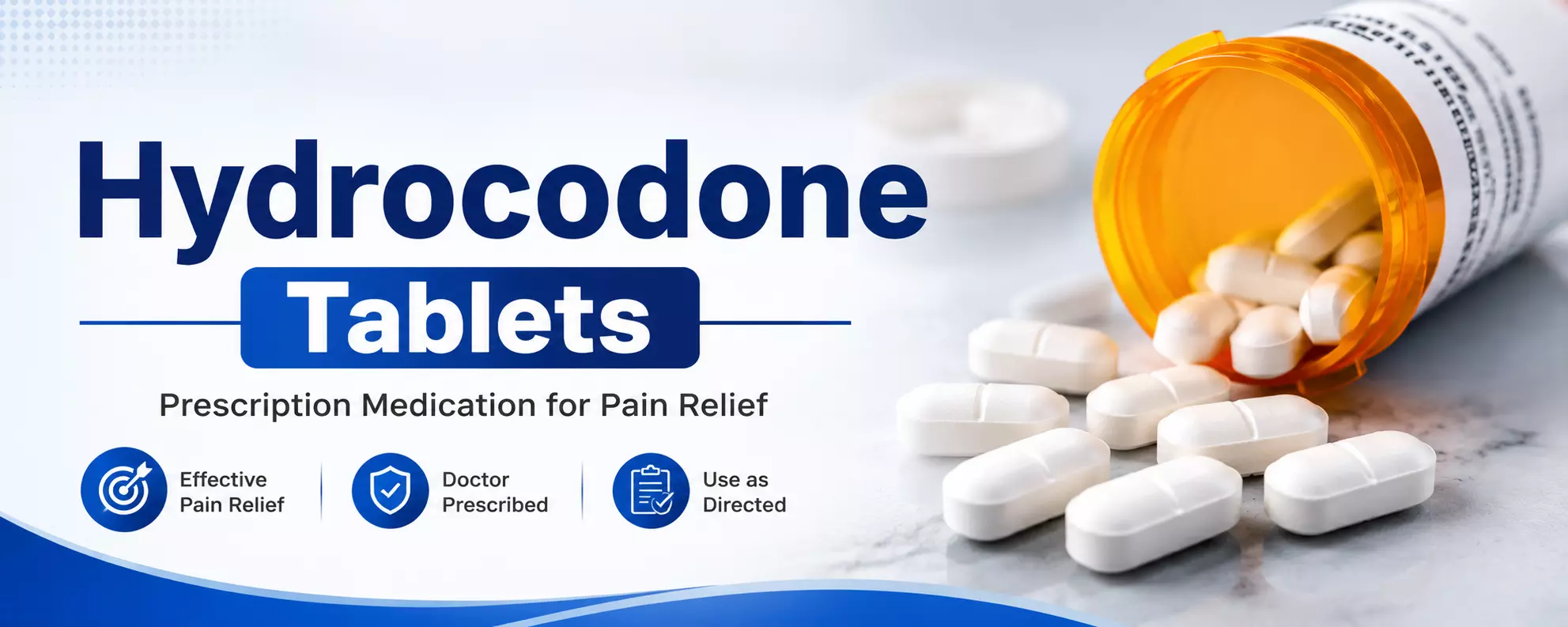
Hydrocodone Tablets: What They Are, How to Use Them, and Safety Tips
If you have ever been prescribed something stronger than a typical painkiller, there is a good chance it was Hydrocodone Tablets.
These are prescription opioid medicines built for pain that regular over-the-counter options simply cannot touch, and doctors usually reach for them only after other approaches have already fallen short.
Because hydrocodone belongs to the opioid class of drugs, it comes with the potential for serious problems if it is not used exactly the way it is meant to be, which is why your doctor's instructions matter so much here.
Below, you will find what hydrocodone tablets actually are, how they work in the body, when they get prescribed, how to take them the right way, what side effects to watch for, and when it is time to call for help.
What Are Hydrocodone Tablets?
Hydrocodone tablets contain an opioid pain medicine that works by changing the way your brain and nervous system respond to pain signals.
It helps you feel less pain, but it does not cure or treat whatever is actually causing the pain in the first place. That is why hydrocodone tablets are often used alongside other treatments, not instead of them.
These tablets come in different strengths, and your healthcare provider will choose the one that best fits your condition and how your body responds to it. Never change your dose on your own, only your doctor should decide that.
What Are Hydrocodone Tablets Used For?
Doctors usually prescribe hydrocodone tablets when pain is too much for regular medicines to manage. Common uses include:
- Moderate to severe pain
- Pain after surgery
- Pain from an injury
- Severe dental pain
- Short-term pain management when other pain medicines are not enough
Read: Best Medicine for Weight Loss | Safe and Effective Options
How Should You Take Hydrocodone Tablets?
Take hydrocodone tablets exactly the way your doctor tells you, and never take more tablets than what is directed even if your pain feels worse. Swallow the tablet with a glass of water, and if it upsets your stomach, taking it with food may help.
If you have been using this medicine for a longer time, do not stop it suddenly without talking to your doctor first, since that can cause other problems. Keep your medicine somewhere safe, away from children and anyone it was not prescribed for.
Possible Side Effects of Hydrocodone Tablets
Common Side Effects
- Sleepiness
- Dizziness
- Nausea
- Vomiting
- Constipation
- Dry mouth
These side effects are usually mild and may get better as your body gets used to the medicine. Drinking enough water, eating foods with fiber, and following your doctor's advice can help.
Serious Side Effects
Get emergency medical help right away if you have trouble breathing, extreme sleepiness, confusion, fainting, or signs of an allergic reaction, such as swelling of the face, lips, tongue, or throat.
Important Warnings and Precautions
There is a real risk of dependence, misuse, and addiction with hydrocodone tablets, even when you take them exactly as prescribed, so never adjust the dose on your own. Taking too much can lead to a dangerous overdose.
Avoid drinking alcohol while taking this medicine, since it can make serious side effects more likely. This medicine can make you feel sleepy or unsteady, so do not drive or use machines until you know how it affects you.
Tell your healthcare provider about all the medicines, supplements, and medical conditions you have, and if you are pregnant, planning to become pregnant, or breastfeeding, talk to them before starting treatment.
Drug Interactions to Be Aware Of
Hydrocodone tablets can interact with other medicines and raise the risk of serious side effects. This includes alcohol, sleeping pills, anxiety medicines, muscle relaxants, and other opioid medicines.
Do not combine these unless your healthcare provider says it is okay. Before starting this medicine, tell your provider about all the prescription medicines, over-the-counter medicines, vitamins, herbal products, and supplements you take, so they can make sure everything is safe together.
Frequently Asked Questions
Can I take Hydrocodone Tablets every day?
Only take hydrocodone tablets exactly as your healthcare provider prescribes, and do not take them more often or for longer than recommended.
Can I drive while taking Hydrocodone Tablets?
This medicine may cause drowsiness or dizziness, so it is best to avoid driving or using heavy machinery until you know how it affects you.
What happens if I miss a dose?
Follow your healthcare provider's instructions if you miss a dose, and do not take two doses at once to make up for it.
Conclusion
Hydrocodone tablets can provide effective relief when moderate to severe pain becomes hard to manage on your own. Taking them exactly as prescribed helps lower the risk of serious side effects and keeps treatment safer overall.
Never share your medicine with others or take more than what has been prescribed. If you have any questions or notice anything unusual while taking this medicine, reach out to your healthcare provider.
This information is for general education only and is not a substitute for medical advice. Always talk to your doctor or pharmacist before starting, stopping, or changing any medicine.