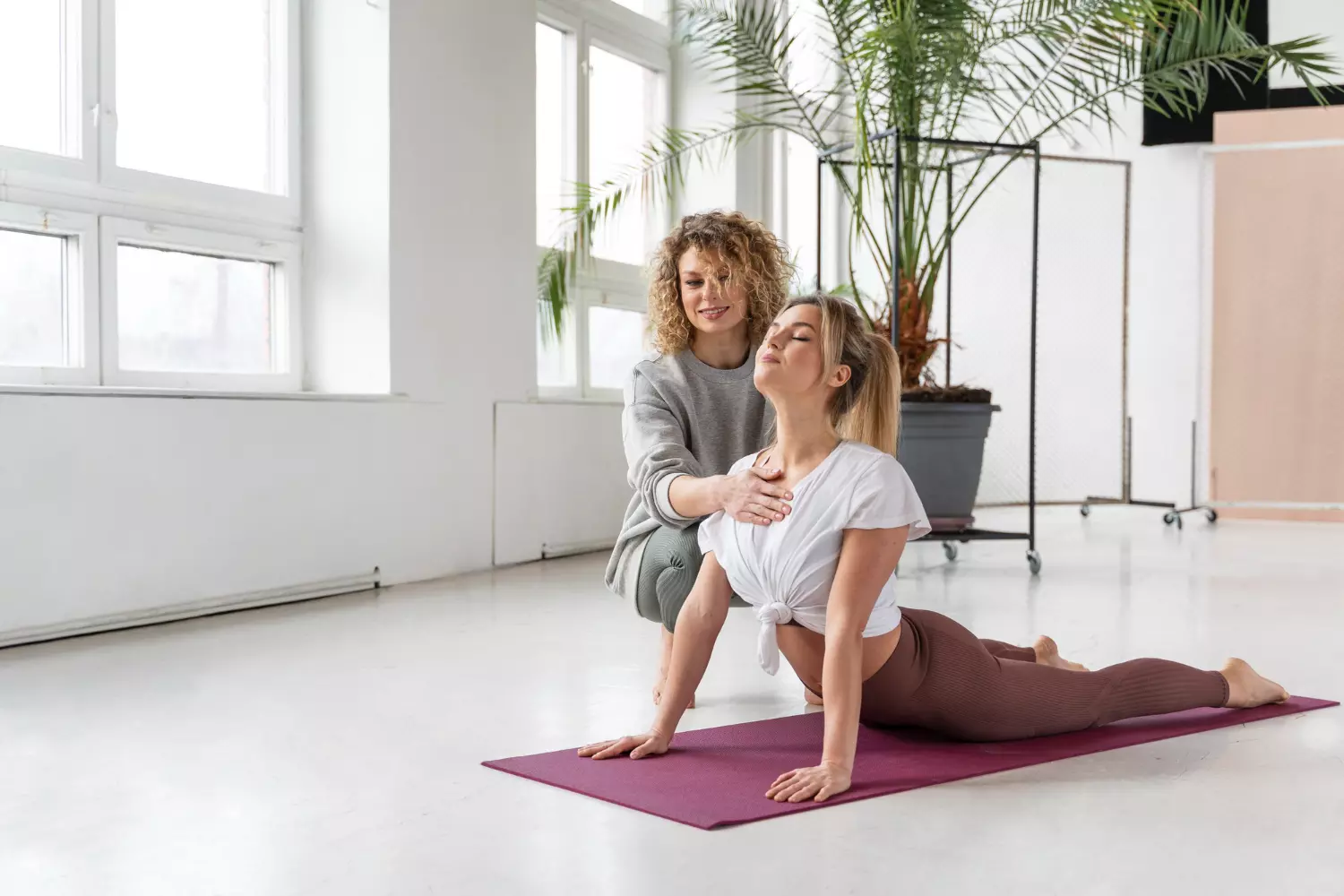
How Yin Yoga Teacher Training Enhances Your Personal Practice
A Yin Yoga teacher training equips you with the skills to lead slow, floor-based practices that specifically target connective tissue and promote relaxation of the nervous system.
This comprehensive program combines essential elements such as anatomy, safety protocols, effective sequencing, and mindfulness techniques, enabling you to craft responsible and inclusive classes suitable for a diverse range of students.
You will delve into joint anatomy and fascial principles, learn about progressive loading strategies, and master cueing techniques for alignment and the use of props.
Additionally, the training emphasises trauma-aware breathwork and methods to cultivate a clear and present teaching presence.
Let's keep going on the curriculum of Yin Yoga training requirements to further strengthen your practical skills and teaching resources.
What Is Yin Yoga and Who Is It For
Although it looks slow and gentle on the surface, Yin Yoga is a distinct, intentional practice that targets the body's connective tissues—such as fascia, ligaments, and joint capsules—through holding passive, floor-based poses for extended periods, typically three to five minutes or longer; this approach complements more active, muscularly-focused styles through promoting joint mobility, tissue health, and stress regulation.
You’ll find Yin benefits include increased flexibility, improved circulation to deeper tissues, and a calming of the nervous system, and the Yin philosophy emphasises surrender, stillness, and mindful presence, making it suitable for students seeking balance, recovery, or deeper introspective practice.
Anatomy, Safety, and Therapeutic Principles
Because Yin Yoga targets the connective tissues more than the muscles, you need a clear understanding of joint anatomy, fascial networks, and the neuromuscular responses that occur when you immerse in poses for extended periods, so you can teach and practice with both effectiveness and safety.
You’ll study anatomical alignment to protect joints, learn to recognize contra-indications, and apply progressive loading to tissues, while respecting individual variability. Implementing clear safety protocols, you’ll assess mobility limitations, modify intensity, and use props to distribute stress. Therapeutic principles emphasize breath, nervous system regulation, and gradual adaptation, enabling informed, responsible instruction for diverse students.
Sequencing, Cueing, and Class Structure
Start with a clear structure: a well-sequenced Yin class unfolds in stages—arrival and centering, progressive tissue loading, deeper holds, and a thoughtful closing—so you can guide students safely through increasing intensity while allowing time for nervous system regulation and unification.
You plan sequencing techniques that consider joint access, connective tissue response, and gradual intensity, arranging poses to balance anterior, posterior, and lateral lines. You use cueing strategies that are concise, tactile when appropriate, and precise about alignment, sensations, and micro-adjustments, offering modifications and timing cues, so students navigate holds confidently, safely, and with clear pedagogical progression.
Read: Diet Plans by the Best Dietitian in Ludhiana for Weight
Mindfulness, Breath Work, and Teaching Presence
When you bring mindfulness, breath work, and a considered teaching presence into a Yin class, you create a framework that supports students’ physiological regulation, interoceptive awareness, and sustained tissue remodelling, so your role moves beyond pose instruction to guiding inner experience alongside outer form.
You guide mindful breathing, teach gentle diaphragmatic patterns, and model steady exhalation to calm the nervous system, while verbal cues and silence help students settle into the present moment. You monitor tone, adjust language, and hold space, balancing instructional clarity with receptive stillness, so learners deepen sensation, safety, and embodied insight.
Conclusion
You’ve acquired a comprehensive understanding of the principles of yin yoga, delving into clinical anatomy, effective sequencing, and mindful cueing, which enables you to teach with precision and care. You will master the art of balancing stillness and structure, holding poses slowly while attentively supervising alignment, assessing risks, and promoting restorative benefits.
By integrating breath techniques and maintaining an attentive presence, you will guide students safely, employing therapeutic reasoning alongside creative sequencing. Each class will be designed to be both evidence-informed and compassionate, and you will continue to enhance your skills through regular practice, reflective learning, and ongoing study.