How Workforce Management Software Can Boost Efficiency and Productivity
In today’s rapidly evolving business environment, efficiency and productivity are the key drivers of success. Managing a workforce effectively can be one of the most challenging tasks for any business. Fortunately, workforce management software has emerged as a transformative tool for companies looking to streamline operations, reduce administrative overhead, and unlock new levels of productivity.
In this blog, we’ll explore how workforce software can boost efficiency and productivity for businesses of all sizes.
Introduction: The Need for Smarter Workforce Management
Managing a growing workforce involves coordinating schedules, tracking attendance, ensuring compliance, and handling payroll. These tasks can quickly become overwhelming. Traditional methods of workforce management, like manual scheduling or time-tracking sheets, are not only time-consuming but also prone to errors.
That’s where workforce management comes into play. By automating key tasks and offering data-driven insights, this software allows businesses to manage their workforce more effectively, leading to significant improvements in overall efficiency and productivity.
1. Automated Scheduling to Save Time and Avoid Errors
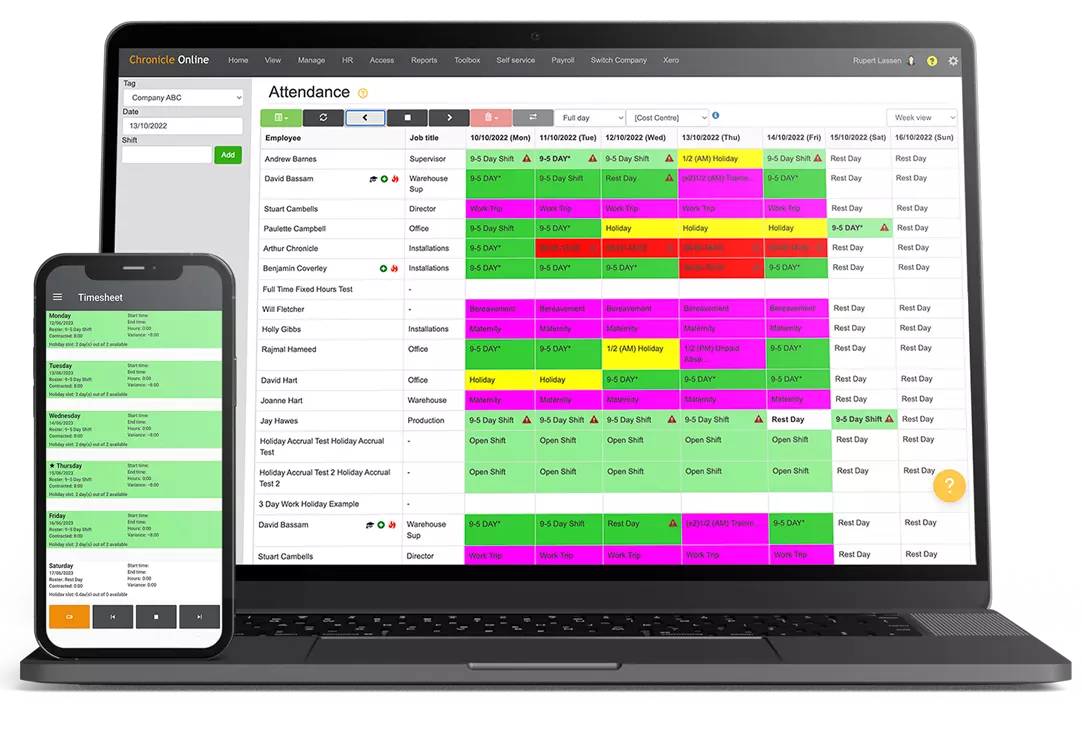
One of the most tedious aspects of workforce management is scheduling. Manually assigning shifts, tracking employee availability, and ensuring proper coverage can be exhausting. management software automates the scheduling process, enabling managers to assign shifts based on employee availability, skills, and business needs. This automation reduces the risk of scheduling errors, saves time, and ensures that the right people are in the right place at the right time.
2. Real-Time Attendance Tracking for Accurate Payroll
Keeping track of employee attendance can be tricky, especially for businesses with large teams or shift-based work. With workforce software, businesses can track employee attendance in real-time. Employees can clock in and out via mobile apps, biometric systems, or time clocks, and the software automatically records their work hours. This integration ensures accurate timekeeping, simplifies payroll, and eliminates the risk of errors from manual tracking.
3. Optimized Resource Allocation and Improved Efficiency
Efficiently managing resources is crucial for boosting productivity. Workforce management uses historical data and predictive analytics to forecast labor needs, ensuring that businesses schedule the right number of employees for each shift.
By preventing over- or understaffing, the software ensures that businesses have the resources they need during peak hours while reducing excess labor costs during slower periods. This optimization directly contributes to improved productivity and cost savings.
4. Enhanced Communication and Collaboration Among Teams
Effective communication is key to keeping teams on track. Management software fosters seamless communication within organizations. Here’s how:
· Real-Time Notifications: Employees and managers receive instant updates about shift changes, urgent tasks, or new policies.
· Task Management: Managers can assign tasks and monitor progress in real-time, ensuring everyone is aligned and accountable.
· Transparency: Clear communication helps reduce misunderstandings, boosting collaboration and team efficiency.
Additionally, integrating door entry online systems within your workforce management solution can further enhance communication by automating access to secure areas, ensuring the right people are in the right place at the right time.
5. Data-Driven Insights for Smarter Decision Making
Data is essential for making informed business decisions. Workforce management software provides valuable insights into employee performance, labor costs, and workflow efficiency. By analyzing trends and patterns, managers can identify bottlenecks, assess performance, and make data-driven decisions that improve business operations.
With this information, businesses can optimize staffing levels, reduce inefficiencies, and ensure that resources are allocated effectively to drive productivity.
6. Streamlined Compliance and Reduced Risk
Keeping up with labor laws, industry regulations, and company policies can be overwhelming. Workforce management simplifies compliance by automating key tasks like tracking overtime, ensuring that breaks are taken at the right times, and adhering to labor laws. This reduces the risk of compliance errors and the associated fines.
Moreover, combining management software with access control solutions, like door entry online, enhances security and ensures that sensitive areas are accessible only to authorized personnel, further mitigating security risks.
7. Improved Employee Satisfaction and Retention
A satisfied workforce is a productive workforce. Workforce management provides employees with greater control over their schedules, allowing them to view shifts, request time off, and track their hours easily. This level of transparency and autonomy leads to higher job satisfaction and a better work-life balance. Happy employees are more likely to stay with the company, reducing turnover and contributing to long-term productivity improvements.
8. Scalability as Your Business Grows
As your business grows, so does the complexity of managing a larger workforce. Management software grows with you, offering scalability to manage a larger team or multiple locations:
· Adaptability: Whether you have 10 employees or 1,000, the software can easily accommodate your changing workforce size.
· Multi-Location Management: If you have several locations, the software allows you to manage schedules, attendance, and payroll across all sites from a single platform.
· No Limitations: As you expand, your software can expand with you, helping maintain operational efficiency.
Conclusion: Unlocking the Power of Workforce Management Software
In conclusion, workforce management software is more than just a tool—it’s a vital asset that can help businesses increase efficiency, reduce costs, and boost overall productivity. From automating scheduling and tracking attendance to providing valuable data insights, this software can revolutionize the way businesses manage their workforce.
By integrating additional security measures like door entry online systems, companies can also ensure workplace safety and streamline access management.
If you want to drive productivity, reduce operational costs, and ensure compliance while keeping your employees happy and engaged, investing in workforce management software is a smart move for any business.