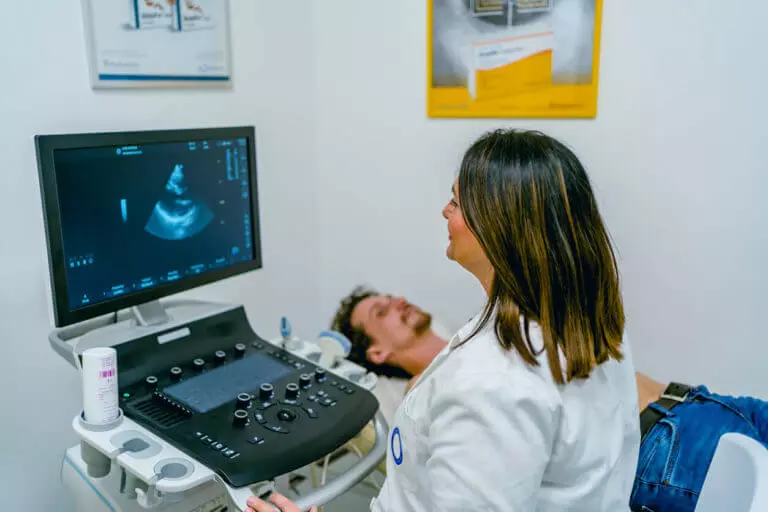
How Vascular Ultrasound Helps Detect Circulatory Issues Early
Vascular ultrasound is a powerful diagnostic tool that plays a crucial role in identifying circulatory problems before they escalate into serious health threats. Whether it's detecting blocked arteries, blood clots, or poor blood flow, this non-invasive imaging technique offers early insights that help physicians take timely action.
In this article, we’ll explore how vascular ultrasound works, its role in detecting circulatory issues, the conditions it can identify, and why early diagnosis is key to maintaining your vascular health.
What Is Vascular Ultrasound?
Vascular ultrasound is a non-invasive imaging test that uses high-frequency sound waves to evaluate the circulation in the blood vessels, including arteries and veins. It is commonly used to examine blood flow in the neck, abdomen, arms, and legs.
Unlike X-rays or CT scans, vascular ultrasound does not use radiation. It’s a safe, painless, and quick procedure that provides real-time information about the structure and function of the circulatory system.
How Vascular Ultrasound Works
During a vascular ultrasound, a technician (or sonographer) applies a special gel to the skin over the area being examined. A handheld device called a transducer is then moved across the skin. The transducer emits sound waves that bounce off blood vessels and surrounding tissues. These echoes are captured and translated into live images on a monitor.
The two main types of vascular ultrasound include:
- Doppler Ultrasound: Measures the speed and direction of blood flow in vessels.
- Color Doppler: Adds color to visualize the flow more clearly and detect abnormalities.
Early Detection of Circulatory Issues: Why It Matters
Circulatory issues often develop silently and progress without noticeable symptoms—until it’s too late. Vascular ultrasound offers a window of opportunity to catch these problems early. Here’s why early detection is so important:
- Prevents stroke and heart attack by identifying arterial blockages or narrowing.
- Detects deep vein thrombosis (DVT) before it causes serious complications like pulmonary embolism.
- Helps manage chronic conditions like diabetes and hypertension by monitoring blood flow.
- Guides timely treatment plans including medication, lifestyle changes, or surgery.
Conditions Vascular Ultrasound Can Help Diagnose Early
Carotid Artery Disease
- This condition occurs when the carotid arteries in the neck become narrowed due to plaque buildup. A vascular ultrasound can identify blockages that may increase the risk of stroke.
Peripheral Artery Disease (PAD)
- PAD restricts blood flow to the limbs. Vascular ultrasound helps detect narrowing or blockages in the arteries of the legs or arms, which can cause pain, weakness, or even tissue damage.
Deep Vein Thrombosis (DVT)
- Blood clots in deep veins, especially in the legs, can be life-threatening if they travel to the lungs. Doppler ultrasound is the gold standard for early DVT detection.
Aneurysms
- An aneurysm is a bulge in a blood vessel wall that can rupture if left untreated. Vascular ultrasound can detect aneurysms in the abdominal aorta or other vessels early on.
Venous Insufficiency
- This condition occurs when leg veins struggle to send blood back to the heart, leading to varicose veins, swelling, or ulcers. Ultrasound helps assess valve function and blood flow direction.
Benefits of Using Vascular Ultrasound for Early Detection
Non-Invasive and Painless
No incisions, needles, or radiation are involved.
Quick and Accurate Results
Most tests take under 30 minutes and provide real-time data.
Widely Available and Cost-Effective
It’s accessible in hospitals, outpatient clinics, and even mobile units.
Real-Time Monitoring
Doctors can monitor blood flow changes over time and adjust treatment accordingly.
Who Should Consider a Vascular Ultrasound?
Your doctor may recommend a vascular ultrasound if you have:
- Symptoms like leg pain, swelling, or cold limbs
- Risk factors such as high cholesterol, diabetes, or smoking
- A history of stroke or mini-stroke (TIA)
- A family history of vascular disease
- High blood pressure or known atherosclerosis
- A need for monitoring post-surgery (e.g., stents or grafts)
Even without symptoms, patients over 50 or those with risk factors should consider vascular screening as part of routine preventive care.
What to Expect During the Procedure
- Preparation: Minimal. You may be asked to avoid eating for a few hours if the abdominal area is being examined.
- Procedure: You’ll lie on a table while a technician performs the scan. You may need to change positions to allow better access.
- Duration: Usually 20–45 minutes, depending on the area being examined.
- Aftercare: There’s no downtime. You can resume normal activities immediately.
Interpreting Vascular Ultrasound Results
The images and Doppler data collected during the ultrasound are interpreted by a radiologist or vascular specialist. Based on these findings, your doctor may:
- Recommend lifestyle changes (e.g., quitting smoking, diet, exercise)
- Prescribe medications like blood thinners or statins
- Suggest further testing or surgical interventions (e.g., angioplasty, bypass)
Why Vascular Ultrasound Is a Game-Changer in Preventive Cardiology
At a time when heart disease and stroke remain leading causes of death, vascular ultrasound has emerged as a game-changing diagnostic method. It gives doctors a reliable, non-invasive tool to spot early signs of trouble, often long before symptoms arise.
Preventive screenings with vascular ultrasound can literally save lives by catching and treating vascular problems early. That’s why many cardiology practices, including Cardiology Care NYC, offer comprehensive vascular imaging services tailored to each patient's risk profile.
Final Thoughts
Vascular ultrasound is more than just a test—it's a preventive health tool that helps detect circulatory issues early, often before symptoms appear. Whether you're at risk due to age, lifestyle, or medical history, early detection can be the key to preventing strokes, heart attacks, and other vascular complications.
If you’re experiencing symptoms or have risk factors for vascular disease, don’t wait. Speak to a vascular specialist or schedule a vascular ultrasound today. Early detection could be the difference between a treatable condition and a life-threatening emergency.