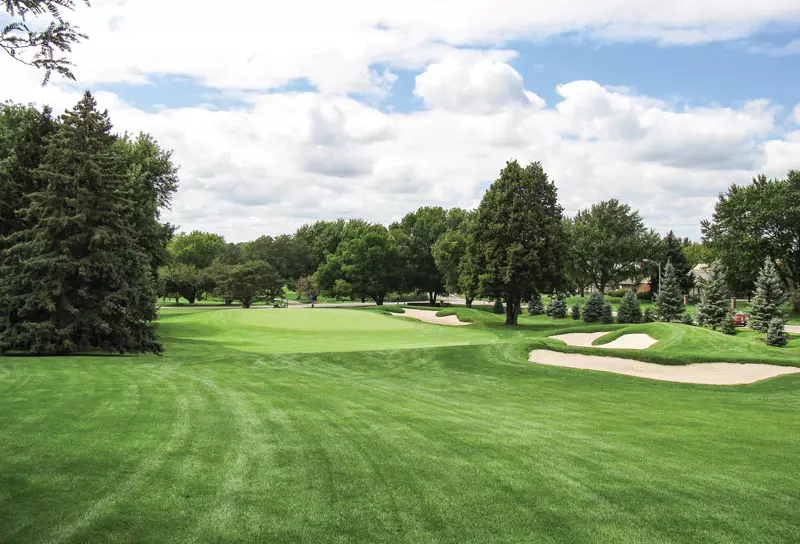
How Urban Growth Is Reshaping Tree Placement in San Jose
Urban growth is transforming neighborhoods across the region. New housing projects, commercial buildings, and infrastructure upgrades are changing how outdoor spaces are designed.
As density increases, tree placement is no longer an afterthought. It has become a strategic decision that balances development, safety, and environmental responsibility.
In growing cities, every square foot matters. Driveways expand, sidewalks widen, and utility systems become more complex.
These changes directly influence where trees can be planted or preserved. Instead of randomly placing greenery, planners now evaluate long term impact before deciding a tree’s position.
Smarter Planning in a Growing City
Rapid development in San Jose has encouraged property owners and city planners to rethink landscaping strategies. Trees must coexist with underground utilities, building foundations, and pedestrian pathways.
Modern urban design focuses on creating harmony between built structures and natural elements. Tree placement now considers:
- Root growth patterns and potential conflicts
- Canopy spread in relation to buildings and streets
Planting too close to sidewalks can cause root lifting over time. Positioning trees without considering mature size can block visibility or interfere with power lines. These challenges are shaping more careful and calculated placement decisions.
Preservation Instead of Removal
In the past, development often meant clearing mature trees to make space for construction. Today, attitudes are shifting. Preservation has become a priority in many urban projects.
Rather than removing established trees, relocation is increasingly seen as a practical solution. Moving a tree to a more suitable location allows development to continue while maintaining environmental benefits.
Midway through redesign projects, property owners often explore professional options like Tree Transplant Services in San Jose, CA when construction plans require adjusting tree placement without sacrificing mature greenery.
This approach protects years of growth and reduces the environmental impact of urban expansion.
Designing for Shade and Climate Comfort
As temperatures rise in many urban regions, shade has become more valuable than ever. Strategic tree placement helps reduce surface heat and improve outdoor comfort.
Planners now analyze sun patterns before determining planting locations. Trees are positioned to shade patios, parking areas, and building facades during peak heat hours. This reduces cooling costs and creates more usable outdoor spaces.
Urban growth is also increasing the need for stormwater management. Well placed trees help absorb rainwater and reduce runoff, especially in areas dominated by pavement and concrete.
Thoughtful positioning ensures roots have enough soil space to perform this function effectively.
Adjusting to Infrastructure Expansion
Expanding infrastructure often forces changes in tree placement. Road widening, public transit upgrades, and utility improvements may conflict with existing root systems.
Instead of complete removal, relocation can offer a balanced solution.
When projects extend into neighboring areas such as Santa Clara, coordinated planning may involve services like Tree Moving Services in Santa Clara, CA to maintain consistent landscape standards across different developments.
This regional cooperation helps preserve tree coverage while supporting necessary growth.
Infrastructure upgrades are essential, but they must align with environmental goals. Modern placement strategies aim to reduce repeated disruptions by forecasting future expansion needs before planting or relocating trees.
Smaller Lots, Smarter Tree Choices
Urban growth often leads to smaller residential lots. With less open ground available, every planting decision must be intentional.
Homeowners are choosing species that match their yard size and soil conditions rather than selecting trees purely for appearance.
Compact root systems and manageable canopy spreads are becoming more desirable in tight spaces. Proper spacing prevents overcrowding and reduces maintenance challenges later.
Designers are also integrating trees into multifunctional spaces. Courtyards, rooftop gardens, and narrow side yards are now common locations for carefully selected plantings.
This creativity allows greenery to remain part of urban living even as space becomes limited.
Long Term Urban Forest Planning
Cities are increasingly thinking beyond individual properties. Urban forest planning considers overall canopy coverage across neighborhoods.
Maintaining tree density helps regulate temperature, improve air quality, and enhance visual appeal.
Strategic placement ensures even distribution rather than clustering trees in only certain areas. This balanced approach supports environmental equity, ensuring that all neighborhoods benefit from shade and cooling.
Forward planning also reduces future relocation needs. When trees are placed with mature size and infrastructure in mind, conflicts become less frequent. This saves time, resources, and environmental impact over the long term.
Read: Why Tree Maintenance Is Easier Than Fixing Tree Problems Later
Balancing Development and Green Spaces
Urban growth does not have to eliminate natural beauty. Instead, it can encourage smarter integration of trees into city design. Placement decisions now involve collaboration between developers, arborists, and city officials.
Key goals include:
- Preserving mature trees whenever possible
- Planting in locations that support long term health
These priorities ensure that development enhances rather than diminishes the urban environment.
A New Era of Tree Placement
Tree placement in San Jose is evolving alongside urban expansion. Growth has created new challenges, but it has also driven innovation in planning and preservation.
Mature trees are no longer viewed as obstacles. They are valuable assets that contribute to comfort, sustainability, and community appeal.
As the city continues to expand, thoughtful placement strategies will play a central role in maintaining a healthy urban forest.
By combining development with environmental awareness, neighborhoods can grow while still preserving the greenery that makes them vibrant and livable.