How to Wear Ihram: A Step-by-Step Guide for Umrah and Hajj
Wearing ihram is the first step in a very spiritual process, but most men do it unenthusiastically. There is a lot of confusion about preparation, dress code, and other practical matters important during Umrah or Hajj. Knowledge of ihram procedures before reaching the miqat alleviates stress and helps pilgrims focus on worship rather than logistics.
This guide elaborates on the ihram for Umrah and Hajj step by step, making the process simple, respectful, and practical to the modern traveller.
Step 1: Understanding What Ihram Really Is
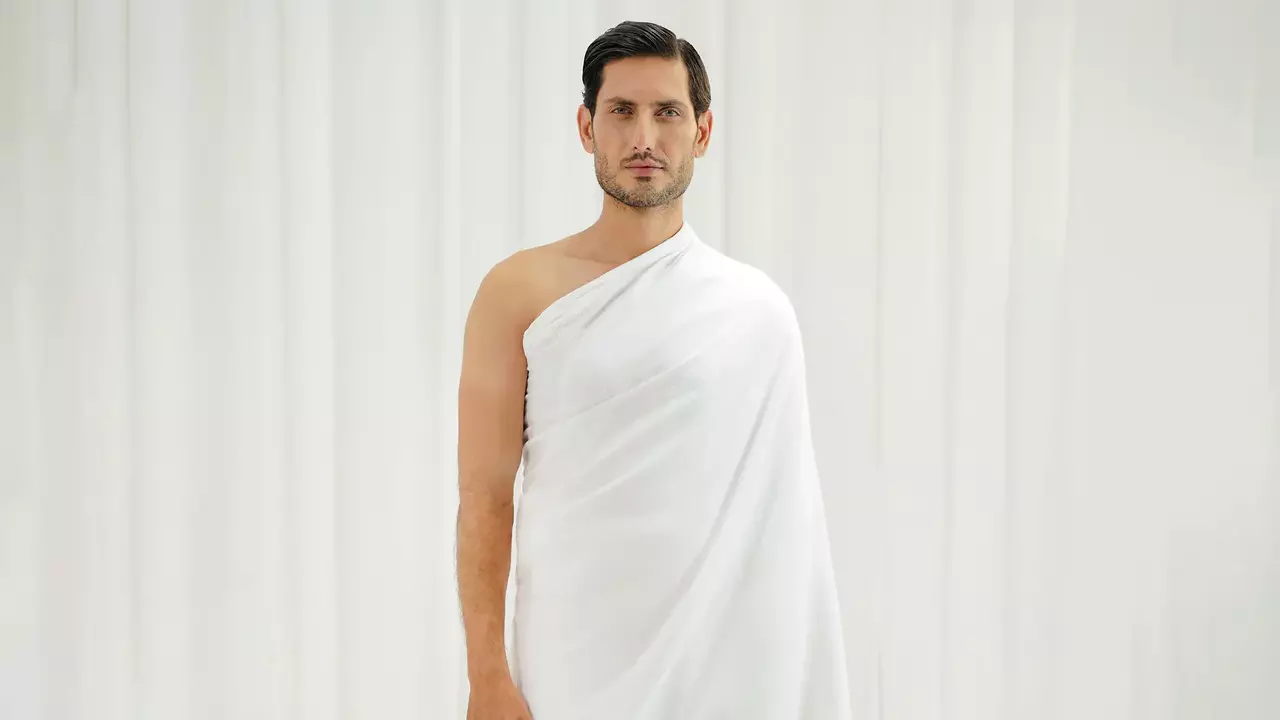
Ihram refers to both a physical condition and a type of clothing used during Umrah and Hajj. Umrah ihram for men is composed of two unsewn white garments. One piece of cloth is used to wrap around the waist and the lower body. The second wrap is over the upper body. Men's ihram does not involve sewn garments, undergarments, or custom clothing.
Before ihram, cleanliness is important. The body is purified with a full bath or ablution, and the nails trimmed and unwanted hair removed; this completes the preparation. Before entering the state of ihram, unscented soap can be used, but no perfumes. The focus is on intention, but physical preparation facilitates the experience.
Step 2: Choosing the Right Ihram Fabric and Quality
The quality of fabrics influences comfort more than one might think. Best ihram for Umrah options typically include soft cotton or cotton-blend fabrics that do not lock away sweat but are breathable. Coarse or excessively light cloth can irritate long tawaf and sa'i.
Ihram Price in Pakistan varies widely depending on the material and finishing. Premium sets are more durable and suitable for long-term stays, whereas budget options are suitable for short-term stays. Pilgrims are advised to check the thickness of the fabric, the stitching at the edges, and the softness before buying. A cloth that is a little heavier tends to be more stable and not to slip.
Divinely Crafted is about Men's Umrah Clothing, carefully chosen, balancing between comfort and durability. Considering the quality of fabrics and their practical sizes makes pilgrims feel safe during the rituals and not distracted by discomfort.
Step 3: Wearing the Ihram Correctly
Proper wearing of the ihram eliminates the need to make a series of adjustments during prayers. The lower cloth wraps go loosely around the waist, extending down to the navel and below the ankles. The top edge must be folded inwards to avoid slipping. The top garment first falls over both shoulders, shielding the torso decently.
The practice of sunnah requires that the right shoulder be left exposed during tawaf. Shoulders need to remain covered outside tawaf. To hold the lower cloth, many men use an ihram belt. An ihram belt provides a sense of security and usually has pockets for carrying items like money or identification.
Shoes must be plain. Sandals that expose the ankles and the tops of the feet are suitable. Once ihram starts, socks are shunned.
Step 4: Managing Ihram During the Journey
Experience is simplified by practical awareness. Men in ihram must be cared for when using the restroom, walking, and resting. Deliberate slow movements aid in coverage. Additional safety pins or clips can be beneficial, but numerous researchers suggest using belts instead to make it easier.
Comfort is also influenced by weather conditions. Hot weather necessitates breathable clothing and water planning. During rest, cold nights can require an extra blanket without violating the ihram rules. The consciousness averts unintentional breaches that lead to anxiety.
Men in ihram for Hajj tend to wear the clothing more frequently than Umrah pilgrims. When the days of Hajj come, durability and comfort are even more crucial.
Step 5: Supporting Items Every Pilgrim Should Carry
The attire men wear is not just ihram. Support materials help to achieve comfort without breaking the rules. Anywhere a prayer space can be created with a Prayer Mat. Lightweight ones can be packed into bags without taking up space.
A padded prayer cushion reduces strain during lengthy prayers, particularly among older pilgrims or those with joint problems. Travellers often like travel prayer mats because they are portable and easy to clean.
The kit is topped off by simple sandals, unscented toiletries, and a small bag of essentials. Each item must not be overpacked, but must have a distinct purpose.
Read: Top Fashion Trends for Women in 2025
Step 6: After Completing Umrah or Hajj
The Ihram restrictions are stopped when hair is shaved or trimmed at the correct stage. Ordinary clothes can be worn again.
The ihram cloth is carefully folded and stored for future use. Many pilgrims retain ihram as a reminder of the pilgrimage.
Washing with a mild detergent helps preserve fabric quality. The cloth can last longer when stored in a clean, dry place.
Final Thoughts on Wearing Ihram Properly
Ihram is synonymous with equality, humility, and concentration on worship. Practical preparation enables pilgrims to give it the due respect without interruptions. Knowing what to wear, how, and what to wear eliminates the needless pressure on the trip.
Divinely Crafted offers Ihram and Ihram accessories, including Ihram towels and Ihram in cotton or terry cotton. They ensure pilgrims find their Umrah and Hajj more peaceful. Quality clothes, clear procedures, and simple planning leave space for spiritual reflection.
Companies such as Divinely Crafted want to make that journey a little easier with specifically crafted necessities that do not violate tradition and meet the modern demands.
Proper wearing of the ihram turns preparation into confidence and leaves the heart in its proper place.