How to Use a Scissor Lift Safely A Complete Beginner Guide
How to Use a Scissor Lift Safely
Using a scissor lift isn’t rocket science, but it does ask you to slow down, pay attention, and respect the machine. These platforms lift you straight into the air with the grace of old-school engineering wrapped in modern tech. Whether you’re checking out a scissor lift for sale, hunting down a scissor lift near me, or eyeing an electric scissor lift for sale, knowing how to operate one properly is the real key.
Let’s break it down—simple, solid, and smart.
What a Scissor Lift Actually Does
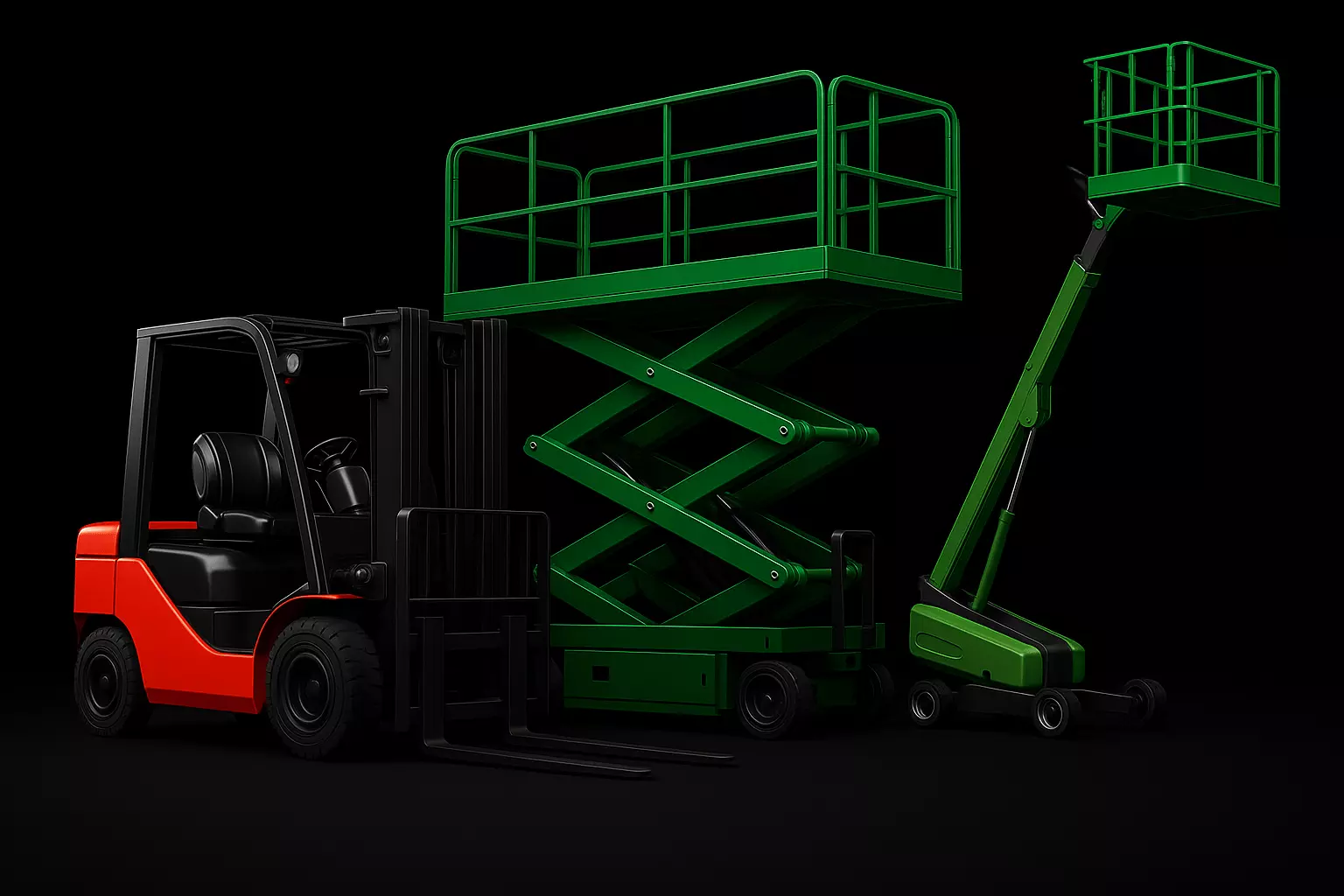
A scissor lift is a vertical work platform supported by a criss-cross steel mechanism that expands upward. It doesn’t swing like a boom lift; it doesn’t twist; it just rises straight up. That’s why it’s a favorite for indoor maintenance, warehouse installs, electrical work, and construction finishing.
Electric models are especially popular right now because they run smooth and quiet. No fumes, no engine roar—just clean elevation.
Read: Advanced Electrical Services for Energy Efficiency and Safety
Pick the Right Lift Before You Touch the Controls
Before you get hands-on, choose the lift that fits your job. Ask yourself:
- How high do I need to reach?
- Am I working indoors or outside?
- Is the flooring solid and level?
- How much weight am I putting on the platform?
When comparing options—whether it's a heavy-duty scissor lift or an electric scissor lift for sale—check the weight limit, height capacity, and surface requirements. One wrong choice and the job becomes ten times harder than it needs to be.
Inspect the Lift Like a Pro
Every experienced operator starts with a walkaround. This isn’t busywork—it’s survival.
Check for:
- Low battery or fuel
- Bent guardrails
- Leaks in hydraulics
- Damaged tires
- Warning labels intact
- Emergency stop buttons functioning
Skipping inspection is how people become cautionary tales. Take the extra minute.
Position the Lift on Solid, Level Ground
Scissor lifts are loyal… as long as you give them a stable base. Put them on uneven ground, cracked concrete, a ramp, gravel—anything sketchy—and you’re courting disaster.
Before lifting:
- Park on a flat surface
- Set the brakes
- Check overhead clearance
- Keep away from doorways or moving equipment
If you're browsing a scissor lift near me, make sure the model suits your environment—warehouse floors, outdoor sites, tight indoor areas, etc.
Using the Controls
Once everything is clear, it’s go time. Most lifts use a key, a joystick, and an emergency stop.
Operate slowly and steadily:
- Keep your feet planted
- Don’t lean over the rails
- Move the lift only when the platform is low
- Watch your surroundings like a hawk
Electric models offer smoother motion, which makes them especially good for newer operators.
Working at Height Safely
When you’re up there, stay centered and balanced. Don’t overload the platform with tools or materials. Move with intention, not sudden jerks.
A scissor lift might look simple, but height has zero mercy.
Wrapping Up the Job
When you’re done:
- Lower the platform slowly
- Turn off power
- Remove the key
- Charge or refuel
- Store it safely indoors
Treat it right and it’ll last for years.
Visit FERAQuip and get a free quote.