How to Successfully Launch an Uber Clone: Tips for Avoiding Common Pitfalls
The on-demand ride-hailing industry is booming, and for good reason. Uber’s global success has opened the door for many entrepreneurs to explore the possibilities of launching their own ride-hailing services. If you're one of those entrepreneurs, you're likely considering building an Uber clone app to tap into this thriving market. But just because Uber clone app solutions are widely available doesn't mean launching your version will be a walk in the park.
Whether you're building a whitelabel Uber app or a custom white label Uber clone, there are several key factors to consider. A successful launch doesn’t just happen—it takes planning, strategy, and a clear understanding of what works and what doesn’t. To help you avoid the typical mistakes many make when building a taxi booking app, we've compiled a guide on how to launch an Uber clone successfully and steer clear of common pitfalls.
1. Choose the Right Development Partner
One of the first steps when launching your Uber clone is choosing the right on-demand app development company. Your app development partner will play a crucial role in shaping your app’s functionality, performance, and scalability. A poor choice here can lead to a buggy app, delayed launch, and a compromised user experience.
When selecting a development company, make sure they have experience in building taxi booking app development or other on-demand platforms. Look for a company with a solid portfolio, client reviews, and experience with whitelabel Uber app solutions. A company with expertise in the on-demand space will be able to offer valuable insights and guide you through the development process, ensuring your app is well-optimized and competitive in the market.
2. Understand the Core Features of an Uber Clone
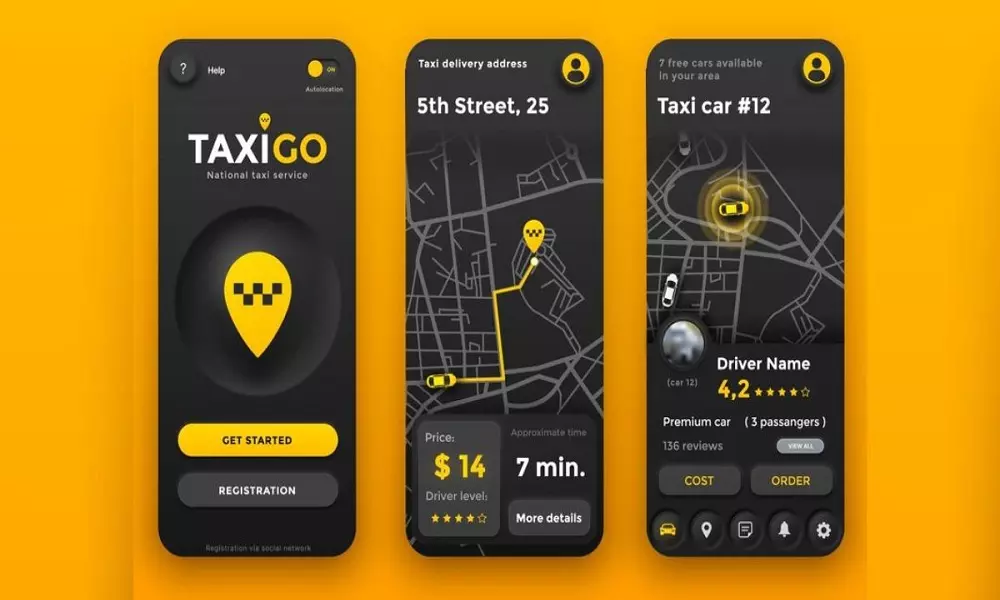
Before you even start designing your Uber clone app, it’s essential to understand what features are a must-have. While you may want to add some unique twists to your app, overlooking the core functionalities that users expect from a ride-hailing app can set you back.
Some of the key features to include in your whitelabel Uber app are:
- User Registration: Simple sign-up/login using email, social media accounts, or mobile numbers.
- Ride Booking: The ability to book rides quickly, including options for different ride categories (economy, premium, etc.).
- Real-Time Tracking: Allow users to track their rides and drivers in real time for better convenience and security.
- Payment Integration: Multiple payment options (credit card, wallet, etc.), ensuring secure transactions.
- Ratings and Reviews: Users should be able to rate drivers and vice versa to ensure service quality.
- Driver Management: Drivers need an intuitive interface for accepting, managing, and completing rides.
- Notifications: Push notifications for ride updates, promotions, and customer support.
It’s easy to get lost in adding too many features that could potentially complicate the user experience. Stick to the essentials, especially in the early stages, and gradually enhance your app as you grow.
3. Prioritize User Experience (UX) and User Interface (UI)
The design of your Uber clone app can make or break the user experience. A sleek, intuitive, and easy-to-navigate Uber clone app will attract users and keep them coming back. On the other hand, a confusing interface can frustrate potential customers and lead to poor reviews.
Your app should have:
- Clear navigation: Make sure all key actions—like booking a ride, tracking a driver, or viewing payment details—are easily accessible.
- Speed: Optimize the app for fast load times. Users don’t want to waste time waiting for screens to load.
- Aesthetics: Simple, modern, and clean design is always better than a cluttered one. Ensure your branding is consistent and matches the experience you want to offer.
A great whitelabel Uber app provider will typically offer UI/UX design services, so take advantage of their expertise. If you're going the custom route, hire a professional designer who specializes in app interfaces to ensure your app is both functional and visually appealing.
4. Ensure Scalability
When launching your Uber clone, you must plan for growth. Scalability is essential to ensuring your app can handle an increasing number of users, drivers, and transactions without lagging or crashing.
If you're using a white label Uber clone, it’s critical to ensure the platform you're building on is built for scalability. Ideally, you want an app that can easily handle traffic spikes (during peak hours, for example) and scale as your business expands. If you're developing a custom app, make sure your developers are considering things like cloud hosting, databases, and load balancing.
Scalable infrastructure also includes integrating additional features as your business grows. For example, you may want to include advanced analytics, loyalty programs, or integration with third-party services once your user base expands.
5. Test, Test, and Test Again
No matter how thorough your planning, it’s inevitable that issues will arise when developing an Uber clone app. That’s why comprehensive testing is key to ensuring the app works perfectly on all devices and for all user types (drivers, passengers, admins).
Beta testing should be a priority before you launch. Have a select group of users test the app in real-world scenarios. Collect feedback on usability, bugs, and any difficulties they experience. Make sure to test:
- Functionality: Does every feature work as expected?
- Performance: How does the app handle high traffic and multiple users?
- Security: Is sensitive user data protected? Are payment transactions secure?
- Compatibility: Is the app functioning correctly across different devices and operating systems (iOS, Android, etc.)?
A well-tested app can drastically reduce the chances of facing issues post-launch and helps you build trust with users from day one.
6. Implement Robust Security Measures
Security is paramount when launching a taxi booking app. Users will trust you with sensitive information such as payment details and personal data, so it’s your responsibility to ensure their information is protected.
Some essential security features for your Uber clone include:
- Data Encryption: Ensure all user data is encrypted during transmission.
- Payment Gateway Integration: Use trusted and secure payment gateways to handle transactions.
- Two-Factor Authentication: Add extra layers of protection for both drivers and passengers.
- Privacy Policy: Be transparent about how user data will be collected and used.
Failing to implement proper security protocols can not only result in security breaches but also damage your reputation and credibility.
7. Create a Strong Marketing Strategy
A common pitfall that many entrepreneurs face is neglecting the marketing efforts before and after launching their Uber clone. While having a great app is essential, you also need to ensure users know about it.
Here are a few strategies to promote your white label Uber clone:
- Leverage Social Media: Social media platforms like Facebook, Instagram, and Twitter are great tools for building awareness and attracting users.
- Referral Programs: Encourage users to refer friends and earn rewards to boost your user base.
- Influencer Partnerships: Collaborate with local influencers who can help promote your app in your target market.
Invest in a solid marketing plan that aligns with your business goals and long-term strategy.
8. Focus on Customer Support
An often overlooked aspect of a successful Uber clone is having excellent customer support. Users may face issues with bookings, payments, or driver-related problems. Having a responsive customer support system can differentiate your service from the competition and foster user loyalty.
Set up multiple channels for customer support—phone, email, and live chat—so users can get help quickly when they need it. A reliable support system will help build trust and ensure that users have a positive experience, even when things go wrong.
Conclusion
Building and launching an Uber clone app is not a one-off task—it’s an ongoing project that requires constant attention, updates, and improvements. From selecting the right development partner to ensuring your app is scalable, secure, and well-marketed, every aspect needs to be considered thoroughly.
By focusing on user experience, security, and scalability, you can successfully launch a taxi booking app that meets market demands and attracts a loyal user base. Avoiding common pitfalls like poor testing, lack of customer support, and weak marketing strategies can help set you on the path to success.
Remember, while it’s essential to build a great app, it’s equally important to continually refine it and adapt to the changing needs of your users. With the right approach and mindset, your Uber clone app could be the next big thing in the world of on-demand transportation.