How to Select the Right Diesel Generator for Your Business Needs
Have you ever wondered what would happen if the power went out at your office or remote site? Or maybe you’ve heard plenty of chatter about diesel generators but still aren’t entirely sure which model or size is right for your business. If these questions sound familiar, you’re in the right place. Today, we’re going to look into the world of diesel generators and uncover the key details that can help you make a confident choice.
Why Consider a Diesel Generator for Your Business Needs?
Getting a diesel generator is a smart move when you want a dependable backup or primary power source. Power failures can strike at any time, causing costly downtime and productivity issues. A well-chosen diesel generator ensures vital equipment stays operational and your team remains on track. Beyond outages, businesses working off-grid or in remote parts of Australia often find diesel generators essential for day-to-day tasks.
Overview of Key Benefits
A diesel generator offers several benefits for organisations of all sizes. For one, diesel fuel is often more economical over long stretches compared to other fuels. In addition, diesel engines are typically robust and can stand the test of time. This reliability makes them an excellent solution when looking for a long-running backup in areas prone to power issues.
By the end of this post, you’ll know how different types of diesel generators work, how to pick the right capacity, and which models might best suit your needs.
Understanding Diesel Generators
How Do Diesel Generators Work?
Diesel generators work by burning diesel fuel in an internal combustion engine. The engine powers an alternator, which then produces electricity for your business. Unlike a petrol-powered generator, a diesel-powered model tends to be more fuel-efficient and can handle higher loads over extended periods. This is why many organisations consider them the best generator option for critical applications.
Core Components and Basic Mechanics
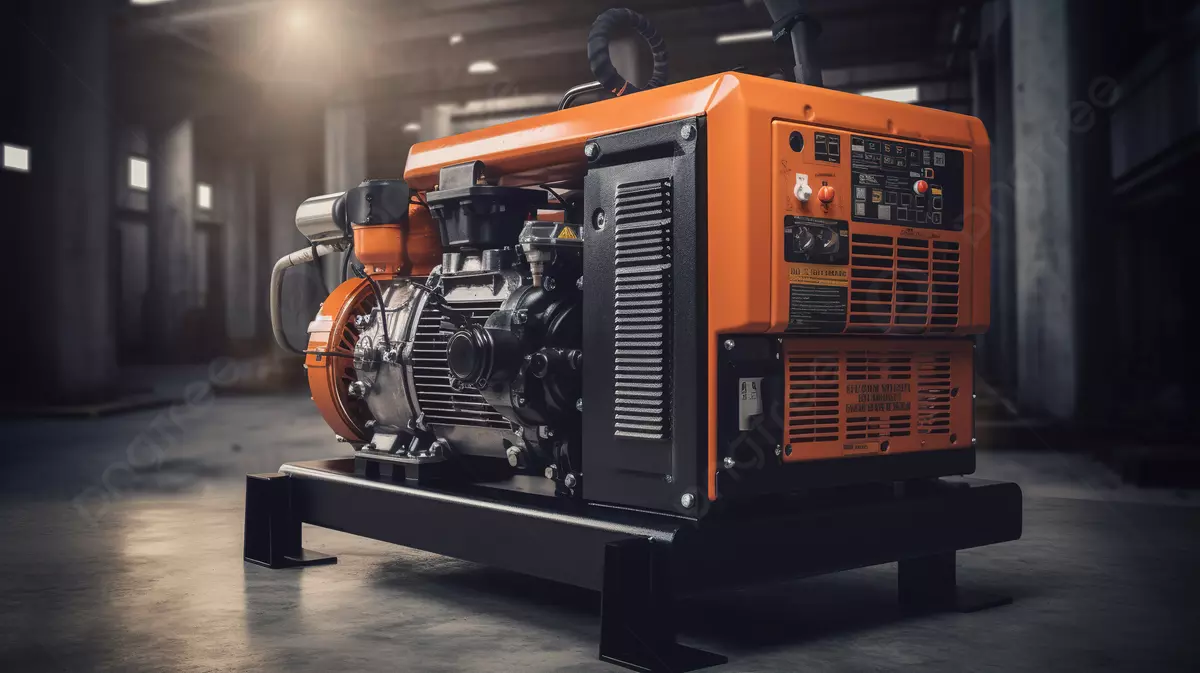
A standard diesel generator comprises an engine, alternator, fuel tank, and control panel. The engine is specifically engineered for diesel combustion, generating rotational power. The alternator then converts that mechanical energy into electricity.
Meanwhile, the fuel tank feeds diesel to the engine, ensuring a consistent power supply. Finally, the control panel allows you to monitor performance and make quick adjustments—making sure that operation remains safe and straightforward.
Different Types of Diesel Generators
Portable Diesel Generators
Portable diesel generators are compact and typically on wheels or a small platform, making them easy to move. They’re often seen on construction sites, outdoor events, and anywhere temporary power is needed. Because they’re mobile, these models are ideal for businesses that run events in multiple locations or need a flexible backup supply. If you’re after the best portable diesel generator for short-term use, portable units can be a reliable choice.
Standby Diesel Generators
Standby generators are installed as a permanent fixture. They switch on automatically when the main power supply is interrupted. Because they’re always on alert, they’re usually the best diesel generator for home use and for businesses aiming to protect sensitive gear from power surges. Standby models typically offer higher capacity, meaning you can keep an entire building running smoothly without having to manually fire up the backup system.
Prime Power and Continuous Diesel Generators
Unlike standby units, prime power or continuous generators are designed to run for extended hours, even acting as the main power source in some cases. If you’re operating in remote locations with no grid access, these machines can keep your business ticking over. They handle heavy loads and are known for their endurance, though you’ll need to ensure a steady supply of diesel to keep them fuelled.
Best Uses for Each Type
Portable diesel generators shine in situations where mobility is crucial—think temporary events, pop-up shops, or worksites with shifting power demands. Standby models are best suited for businesses or homes that need instant backup. On the other hand, prime power or continuous generators are the top-tier choice for businesses operating off-grid for extended periods. Different types of diesel generators cater to different operational needs, so pick the one that matches your usage pattern.
Diesel Generator Sizes Explained
How to Choose the Right Generator Capacity
When looking at diesel generator sizes, the capacity (measured in kilovolt-amperes, or kVA) must cover your highest energy demands. In most cases, you’ll want to jot down each piece of equipment that needs power and sum up their wattage. Then, choose a generator with a slightly higher rating to avoid overworking the machine. Going too small can cause the unit to strain under heavy load, whilst an oversized generator may run inefficiently and waste fuel.
Common Sizing Mistakes
It’s easy to make mistakes when sizing a generator. One trap is focusing purely on peak output without considering how long you might need that level of performance. Another common error is underestimating your surge requirements, such as starting currents for motors or machinery. Make sure you carefully review your operational needs before investing. Buying generators that are too small or too large may lead to unwanted breakdowns or higher running costs.
Planning for Future Expansion
Business growth can be exciting, but it also means your power needs might increase over time. When examining diesel generator sizes, consider your five-year or even ten-year plans. If you anticipate adding more equipment or expanding your premises, you may want a generator that provides a safe margin for future demands. Building in extra capacity can often save you from an expensive upgrade soon down the line.
Best Diesel Generator Brands and Models
Key Factors to Look For
When searching for the best diesel generator brands, keep an eye on build quality, ease of maintenance, and after-sales support. Reliability is crucial, especially if you plan to use the generator regularly. Also consider features like automatic transfer switches, soundproof enclosures, and digital control panels. Remember, the best portable diesel generator might also include additional safety features and robust wheels for easy movement.
Popular Brands in Australia
Brands such as Caterpillar, Cummins, Kubota, and Yamaha often come up in discussions around the best diesel generator for home use and commercial settings. Kubota, for instance, is sometimes singled out for quieter-running engines, while Caterpillar has a track record of producing heavy-duty generators that suit industrial applications. Yamaha also provides user-friendly models, making them a favourite among small businesses.
Checking Reliability and Warranty
Always research warranty coverage and local service centres before committing to a specific model. It’s not just about having a warranty on paper, but ensuring fast and professional support if something goes wrong. Buying generators often comes with a considerable price tag, so having peace of mind that spare parts and technician help are within reach is vital for business continuity.
Buying Generators: Key Considerations
Budget vs. Long-Term Cost-Effectiveness
It’s tempting to focus on a lower upfront cost. But remember that diesel generators with higher quality components and superior fuel efficiency can save money over time. Factors like maintenance intervals and fuel consumption rates have a substantial impact on long-term costs. Striking a balance will help you get a good generator that delivers real value.
Identifying Critical Applications
List which pieces of equipment you can’t afford to lose when a mains outage occurs. This list might include servers, medical gear, or vital machinery. Once you know your critical loads, you’ll have a clearer idea of the capacity and features your generator needs. By prioritising essential equipment, you reduce the risk of overspending on unnecessary capacity.
Evaluating Fuel Efficiency and Emissions
Diesel generators are known for being more fuel-efficient than many petrol alternatives. Still, designs and technologies vary between models. If sustainability is important to your business, look out for newer engines that meet strict emissions standards. You’ll produce fewer pollutants, and in some cases, these advanced models can help secure government approvals or meet local compliance requirements.
Safety and Compliance Guidelines
Before installing any generator, be sure to follow the relevant Australian standards. This includes guidelines on noise control, fuel storage, and electrical connections. Engaging a qualified electrician familiar with local rules helps avoid costly mistakes or hazards. Safety considerations also extend to training staff on proper operation and maintenance routines.
Maintenance and Lifecycle
Regular Servicing and Spare Parts
Like any piece of machinery, a diesel generator will need periodic checks to run at its peak. Regular filter changes, oil replacements, and thorough inspections can unearth minor issues before they turn serious. Having quick access to spare parts reduces downtime and helps you stay operational without lengthy service delays.
Extending the Life of Your Diesel Generator
Keeping up with recommended servicing schedules is one way to give your generator a long-running career. In addition, ensure you run the generator under appropriate loads—avoiding both severe underloading and overloading. Proper ventilation and storage, especially in dusty or salty coastal environments, also play a crucial role in prolonging generator life.
Common Mistakes to Avoid
One frequent oversight is ignoring minor warning signs, such as unusual noises or fluctuating output voltage. Another is failing to keep a record of maintenance activities, making it hard to track when your generator last had filters changed or oil topped up. By managing these basics, you’ll keep your generator reliable and ready when needed.
Conclusion
Picture the relief of knowing your business stays powered despite storms or grid failures: that’s the confidence a well-chosen diesel generator can bring. We’ve explored different types of diesel generators, covered diesel generator sizes, and discussed how to calculate your current and future power demands. We’ve also touched on the difference between a good generator and the best generator, so you can zero in on the features that matter most.
Summing up, identifying your power requirements, planning for possible expansions, and picking a reputable brand are all crucial steps. Portable diesel generators suit businesses that need flexible, on-the-go power, while standby and prime power models cater to more static or demanding needs. Whether you’re looking for the best diesel generator for home use, off-grid cabins, or bustling commercial sites, the important thing is to be clear about what functions you’re prioritising.
Finally, as you move ahead in buying generators, keep local regulations and safety guidelines in mind. Seek professional advice if you’re uncertain about installation or maintenance. A smart choice today can protect your operations (and your peace of mind) tomorrow. With this knowledge, you’re all set to pick the best diesel generator that ticks every box for your business.