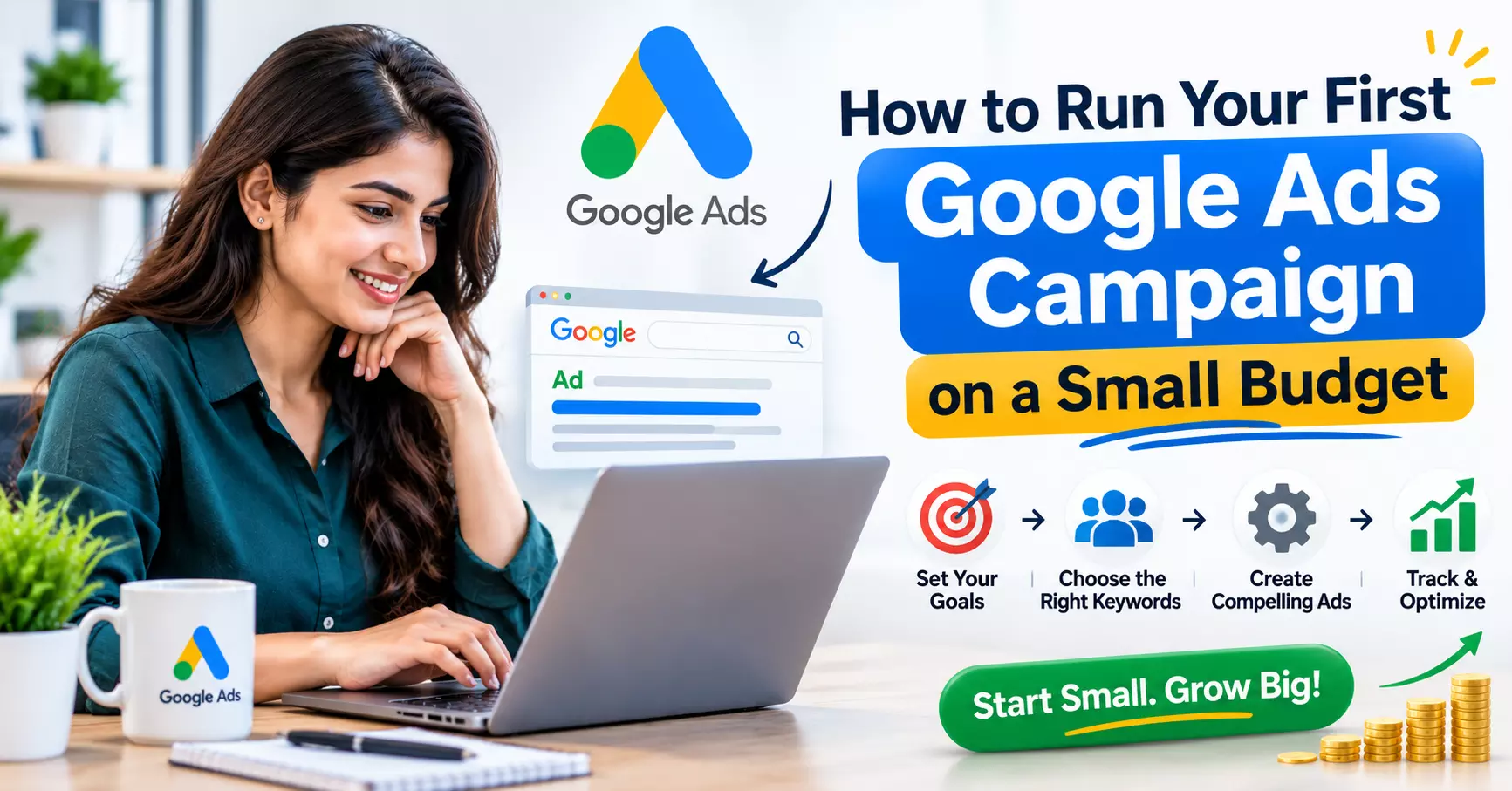
How to Run Your First Google Ads Campaign on a Small Budget
Google Ads is an effective digital advertising platform that helps businesses reach potential customers who are actively searching for products or services.
Even with a limited budget, businesses can use targeted advertising to generate website traffic, enquiries, and sales.
For small businesses exploring Digital Marketing in Chennai, Google Ads offers an opportunity to reach local audiences without requiring a large advertising investment. The key is to plan campaigns carefully, choose relevant keywords, and monitor performance regularly.
1. Define Your Advertising Goals
Before creating your first Google Ads campaign, identify what you want to achieve. Your advertising objective will influence your campaign type, targeting, and budget.
Common advertising goals include generating enquiries, increasing website visits, promoting specific services, receiving phone calls, and improving product sales. For example, a local service provider may focus on receiving customer enquiries, while an online store may prioritise purchases.
Choose one primary goal to keep your campaign focused and measurable.
2. Start with a Small and Realistic Budget
You do not need a large advertising budget to get started with Google Ads. Begin with an amount your business can comfortably afford to test and learn from.
Set a daily budget based on your overall marketing spending and expected customer acquisition costs. Remember that actual daily spending can vary depending on Google's advertising rules and campaign performance.
Avoid increasing your budget immediately. First, evaluate which keywords, advertisements, and audience segments generate valuable results.
3. Conduct Proper Keyword Research
Keywords determine when your advertisements may appear in search results. Selecting relevant search terms helps attract users who are genuinely interested in your products or services.
Use Google Keyword Planner to discover keyword ideas, understand estimated search volumes, and review competition levels.
Consider the following keyword types:
- Specific keywords: Target detailed product or service searches.
- Local keywords: Include relevant locations to reach nearby customers.
- Long-tail keywords: Focus on specific searches with clear customer intent.
For example, a business targeting local customers could consider phrases related to its services and location. Avoid choosing broad keywords that attract irrelevant clicks and consume your limited budget.
4. Choose the Right Google Ads Campaign Type
Google Ads offers different campaign types for different marketing objectives. Beginners should select a format that matches their business goals.
Search campaigns are often a practical starting point for businesses that want to reach people actively searching for specific services. These advertisements can appear on Google Search when users enter relevant queries.
Other options include Display, Video, Shopping, and Performance Max campaigns. Start with a format you can manage effectively before expanding into additional advertising channels.
5. Write Clear and Relevant Ad Copy
Your advertisement should explain what your business offers and why potential customers should choose it. Use straightforward language and include relevant keywords naturally.
Create compelling headlines that highlight your services, benefits, or unique selling points. Write descriptions that communicate important information and encourage users to take action.
Include suitable calls to action such as:
- Contact Us Today
- Request a Free Consultation
- Explore Our Services
- Get a Quote
Make sure the advertisement accurately represents the content on the landing page.
6. Use Negative Keywords to Reduce Unwanted Clicks
Negative keywords help prevent advertisements from appearing for irrelevant searches. This is particularly useful when working with a small advertising budget.
For example, a company offering paid professional services may want to exclude searches containing terms such as free, jobs, salary, or training when those searches are unrelated to its offering.
Review your search terms report regularly and identify queries that generate unnecessary clicks. Adding suitable negative keywords can help improve campaign relevance and reduce wasted spending.
7. Create a Relevant Landing Page
Sending visitors to your homepage is not always the best approach. A dedicated landing page can provide information directly related to the advertisement.
Your landing page should include a clear headline, relevant service details, contact information, and a visible call to action. Ensure that it loads quickly and works properly on mobile devices.
A relevant landing page improves the user experience and can help increase the chances of converting visitors into customers.

8. Monitor Campaign Performance
Launching an advertisement is only the beginning. Regular monitoring helps you understand whether your advertising budget is being used effectively.
Track important metrics such as:
- Impressions and clicks
- Click-through rate (CTR)
- Average cost per click (CPC)
- Conversion rate
- Cost per conversion
- Total advertising spend
Use conversion tracking to measure meaningful actions such as form submissions, phone calls, and purchases. Make adjustments based on actual results rather than changing campaign settings without a clear reason.

9. Combine Google Ads with SEO
Paid advertising can provide immediate opportunities to reach potential customers, while SEO focuses on building organic search visibility over time. Combining both strategies can create a balanced digital marketing approach.
Businesses investing in SEO in Chennai can use organic search strategies to improve website visibility, attract relevant traffic, and build long-term online authority. Google Ads can complement these efforts by targeting customers with immediate buying or service-related intent.
Conclusion
Running your first Google Ads campaign on a small budget requires careful planning, relevant keyword selection, compelling advertisements, and continuous performance monitoring.
Start with a clear objective, test your campaigns, and focus on attracting valuable customers rather than simply increasing clicks.
By combining paid advertising with effective SEO and website optimisation, small businesses can make better use of their marketing budgets and build sustainable online growth.