How to Read Charger Specifications Without Getting Misled by Marketing
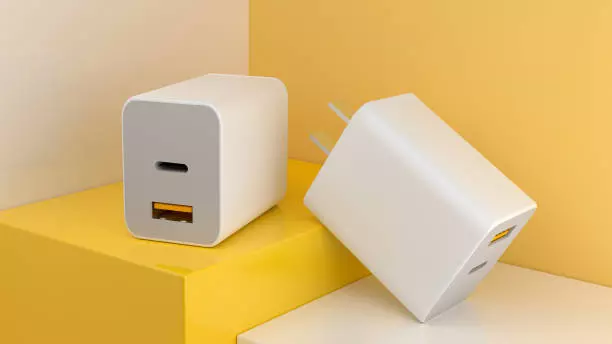
Chargers have changed dramatically as modern devices demand faster and more flexible power. Traditional adapters often require bulky designs to handle higher charging levels.
Gallium nitride, commonly called GaN, offers a different approach. This semiconductor material allows chargers to switch electricity more efficiently.
As a result, manufacturers can create smaller adapters without sacrificing useful power output. GaN chargers can also manage heat more effectively during demanding charging sessions.
These benefits make them popular among smartphone, tablet, laptop, and accessory users.
However, size alone does not determine charger quality. Users should understand power ratings, charging standards, cable requirements, and device compatibility. This knowledge helps you choose an adapter that fits your daily charging needs.
What Is GaN Charging Technology?
GaN chargers use gallium nitride components instead of relying entirely on traditional silicon components. Gallium nitride can operate efficiently at higher switching frequencies.
This allows charger designers to use smaller supporting components. Consequently, the final adapter can become significantly more compact. GaN technology also helps reduce energy losses during power conversion.
Less wasted energy can mean less heat under comparable operating conditions. However, GaN does not make every charger automatically superior.
Overall design, thermal management, firmware, and safety protections still matter. Therefore, buyers should evaluate the complete charger rather than focusing only on the GaN label.
A well-designed GaN adapter combines efficient components with suitable charging protocols and protection systems.
Why GaN Chargers Can Be Smaller
One major advantage of GaN technology is its ability to support high-frequency switching.
Higher switching frequencies can reduce the size of certain magnetic components. These components traditionally occupy significant space inside conventional power adapters.
Therefore, manufacturers can create compact chargers with useful power capabilities. For example, a smaller adapter can provide enough power for smartphones, tablets, and some laptops.
A Samsung 60W 3 Pin Power Adapter Black can serve compatible charging needs where its specifications match. However, GaN chargers are not always smaller than every conventional adapter.
Design choices, ports, cooling systems, and power ratings influence the final size. Still, GaN gives manufacturers more flexibility when creating compact high-power products. This makes it particularly useful for travelers and users managing multiple devices.
Why GaN Chargers Can Run Cooler
Better Efficiency Means Less Wasted Energy
Electrical conversion always produces some energy loss. That lost energy often appears as heat within the charging circuit.
More efficient switching can reduce these losses under suitable operating conditions. GaN components can therefore help designers improve overall charger efficiency.
However, cooler operation still depends on the complete charger design. High power output naturally creates thermal demands.
A poorly designed GaN charger may still become hot during heavy use. Therefore, users should not assume every GaN adapter remains cool at all times.
Proper ventilation remains important during charging. Keep adapters on open, hard surfaces rather than under blankets or clothing.
Also avoid direct sunlight and other strong heat sources. These simple habits support better thermal performance regardless of charger technology.
GaN Chargers and Energy Efficiency
Efficiency becomes increasingly useful when devices require frequent charging. A charger that wastes less energy can convert more input power into useful output.
This can reduce unnecessary heat and improve overall electrical performance. GaN technology supports efficient switching, especially at higher power levels.
However, efficiency varies between different charger models and operating loads. Manufacturers usually provide efficiency information within technical documentation.
Therefore, users should compare verified specifications rather than relying on marketing claims.
Multi-device chargers can also benefit from efficient designs. One compact adapter may power several compatible devices without requiring multiple bulky bricks.
This can simplify travel while reducing the number of accessories needed. Nevertheless, total output capacity matters when several devices charge simultaneously.
How GaN Chargers Support Fast Charging
Power Delivery Makes the Difference
GaN technology itself does not determine charging speed. Instead, charging protocols control how power moves between the adapter and device.
USB Power Delivery, commonly called USB PD, is one widely used standard. Compatible devices can negotiate suitable voltage and current levels through the charging system.
This process allows a charger to provide different power profiles for different devices.
Therefore, a high-wattage GaN charger can safely support several compatible devices. However, the connected device determines its actual charging requirements.
A phone designed for 25W charging will not automatically consume 65W. The charger provides available power while the device requests an appropriate level.
Users should therefore check both charger specifications and device compatibility before expecting maximum speeds.
Are GaN Chargers Safe?
Quality GaN chargers can include the same essential safety protections found in traditional adapters. These protections may include overvoltage, overcurrent, overheating, and short-circuit safeguards.
Reliable models also manage temperature during demanding charging conditions. However, GaN technology does not guarantee safety by itself.
Internal design and manufacturing quality remain critical. Therefore, avoid chargers with unclear specifications or questionable construction.
Extremely cheap adapters can sometimes lack appropriate testing or protective features. Look for reputable manufacturers and trusted sellers when purchasing charging equipment. Also check whether the charger supports recognized charging standards.
A suitable cable matters as well, especially when using higher power levels. Combining a reliable charger with a compatible cable provides a safer charging setup.
Choosing the Right GaN Charger
Match Wattage With Your Devices
Start by identifying the charging requirements of your main devices. Smartphones usually need less power than modern laptops. Tablets often fall between these categories depending on their charging systems.
A charger with enough power can support multiple devices more conveniently. However, buying the highest available wattage is not always necessary. Higher power can increase cost without providing meaningful benefits for low-power devices.
Therefore, choose a charger that matches your current and expected needs. If you regularly charge a laptop and phone together, consider a multi-port model.
Check its combined output rating rather than only its maximum single-port rating. This prevents disappointment when several devices are connected simultaneously.
Check Port Types and Charging Standards
Port selection also affects charger usefulness. USB-C ports have become common for modern phones, tablets, laptops, and accessories. However, some devices still use different connectors or charging requirements.
Check your cables before choosing a new adapter. Also verify whether the charger supports USB PD or another required standard. Some manufacturers use proprietary fast-charging technologies that require specific compatibility.
Therefore, a charger may work perfectly while still charging your device below its fastest possible speed. Reading the technical specifications can prevent this issue.
Consider the number of ports if you regularly charge multiple accessories. A suitable port arrangement can make a compact charger much more convenient.
Read: OnePlus Phone Personalization Trends
Why GaN Chargers Are Popular With Travelers
Travelers often value compact charging equipment because luggage space remains limited. Traditional high-power adapters can occupy considerable room in a backpack.
GaN technology allows manufacturers to create smaller alternatives with useful output levels. This can reduce the number of separate chargers required during trips.
Multi-port GaN chargers provide another practical advantage. One adapter can potentially charge a phone, tablet, earbuds, or laptop. However, users should check international plug requirements before traveling abroad.
Voltage compatibility also matters when using chargers in different countries. A suitable plug adapter may be required for physical socket compatibility.
Therefore, compact size is only one part of travel-friendly charger design. Power flexibility and electrical compatibility matter equally.
GaN Versus Traditional Silicon Chargers
Traditional silicon-based chargers remain useful and widely available. They can provide reliable performance when properly designed and matched with compatible devices. GaN offers advantages mainly through improved switching performance and compact design potential.
This makes GaN especially attractive for higher-power and portable chargers. However, not every user needs the smallest possible adapter.
A conventional charger may remain perfectly suitable for basic smartphone charging. Price also varies between models and brands.
Therefore, buyers should consider actual charging requirements before upgrading. If portability and multi-device charging matter, GaN may provide greater convenience.
If simplicity matters more, a reliable traditional charger can still perform well. The best option depends on power needs, travel habits, and device compatibility.
Practical Tips for Using a GaN Charger
Use your charger on a stable surface with adequate airflow. Keep cables away from sharp edges and excessive bending. Replace damaged cables before using them with high-power adapters.
Avoid covering the charger during demanding charging sessions. Also monitor unusual heat, buzzing, smells, or charging interruptions.
Mild warmth can occur during normal operation, especially at higher power levels. However, excessive heat deserves attention and may indicate a problem.
Keep the charger away from water and other liquids. Furthermore, use charging cables designed for the power level you require.
Regularly inspect the adapter for cracks or physical damage. These habits can improve safety and help your charging equipment last longer.
Final Thoughts
GaN chargers combine efficient switching technology with compact modern designs. Their smaller size makes high-power charging easier to carry and manage.
Better efficiency can also reduce wasted energy and unnecessary heat. However, GaN technology does not replace the need for quality engineering.
Charger wattage, charging standards, cables, and safety protections still matter. Therefore, choose a model that matches your devices and everyday charging habits.
A well-designed GaN charger can provide an efficient, convenient solution for modern multi-device households.