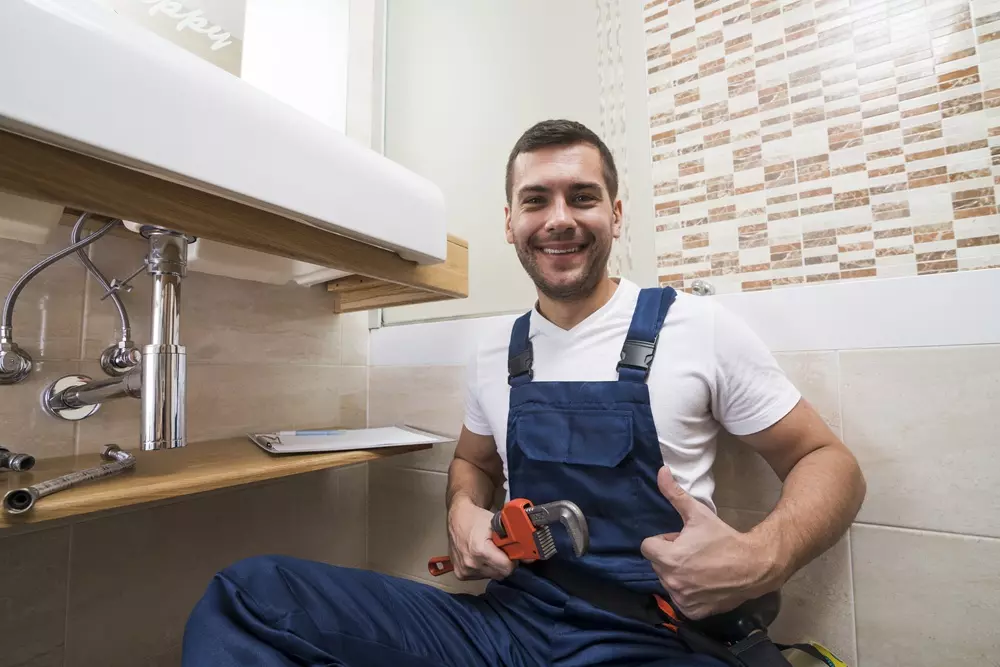
How to Prepare Your Home for a Plumbing Emergency: Pro Tips from Plumbers
Plumbing emergencies can happen at the worst possible moments — a burst pipe during freezing weather, a blocked drain overflowing on a holiday, or a sudden leak that floods your floors.
Most homeowners only think about calling an emergency plumber once the water is already causing damage. But a little preparation now can save you thousands in repairs, keep your family safe, and help your plumber fix the issue faster when things go wrong.
In this guide, you’ll learn how to prepare your home for a plumbing emergency, plus pro tips from licensed plumbers and a simple checklist to stay ready all year round.
Why Plumbing Emergencies Happen
Many common emergencies are preventable — but only if you know what to look for. The most frequent causes include:
- Frozen pipes that burst under pressure
- Blocked drains that back up into kitchens or bathrooms
- Leaking water heaters or old pipes that suddenly fail
- Tree roots growing into underground pipes
By understanding these risks, you’ll see why it pays to plan ahead and have an emergency plumber you can trust.
Pro Tip #1: Know Where Your Main Water Shutoff Valve Is
If a pipe bursts or a faucet breaks, the faster you shut off your water supply, the less damage you’ll face.
- Locate your main shutoff valve — it’s often in the basement, garage, or near the water meter outside.
- Make sure everyone in your family knows where it is and how to turn it off.
- Test it twice a year to be sure it doesn’t stick or leak.
Pro Tip #2: Keep an Emergency Plumbing Kit Handy
Licensed plumbers recommend every homeowner have a simple kit ready for quick fixes:
- Adjustable wrench — to tighten loose connections
- Pipe tape (Teflon tape) — for minor leaks
- Plunger — for clogged toilets and sinks
- Bucket, old towels, and a mop — to contain spills
- Flashlight — in case you lose power or it’s dark under the sink
These tools won’t fix every problem, but they can help you stop the leak and limit water damage until your emergency plumber arrives.
Pro Tip #3: Insulate Pipes in Cold Areas
Frozen pipes are a major cause of costly emergencies. To protect your home:
- Wrap exposed pipes in basements, attics, or crawl spaces with foam insulation sleeves.
- Keep cabinet doors open on very cold nights so warm air can circulate around pipes under sinks.
- Let faucets drip slightly in freezing weather to keep water moving.
Pro Tip #4: Build a Relationship with a Trusted Emergency Plumber
Don’t wait until water is gushing onto your floors to find help. Pro plumbers say:
- Research local licensed plumbers now and save their contact info.
- Check reviews and make sure they offer 24/7 emergency services.
- Schedule a routine plumbing inspection to spot hidden issues before they become urgent.
Having a trusted pro on call means you’ll get faster service when you need it most.
Pro Tip #5: Prevent Problems Before They Start
Plumbers agree that prevention is always cheaper than repairs. Here’s what you can do:
- Don’t pour grease or food scraps down the drain — they cause blockages.
- Install drain screens to catch hair and debris in sinks and tubs.
- Have your water heater flushed once a year to prevent leaks or tank failure.
- Trim trees near sewer lines to reduce root damage.
Your Plumbing Emergency Preparedness Checklist
Here’s a simple, printable checklist to keep your household ready:
- Locate and test your main shutoff valve
- Save your emergency plumber’s contact info on your phone
- Stock your emergency plumbing kit
- Insulate exposed pipes
- Get routine inspections once a year
- Teach family members what to do in a plumbing emergency
Final Thoughts
When it comes to a plumbing emergency, a little preparation goes a long way. By knowing what to do — and having a reliable VicWide Emergency Plumbing ready to call — you’ll save time, money, and a lot of stress.
Stay ready, stay safe, and protect your biggest investment — your home.