How to Prepare a School Science Laboratory for a New Academic Year
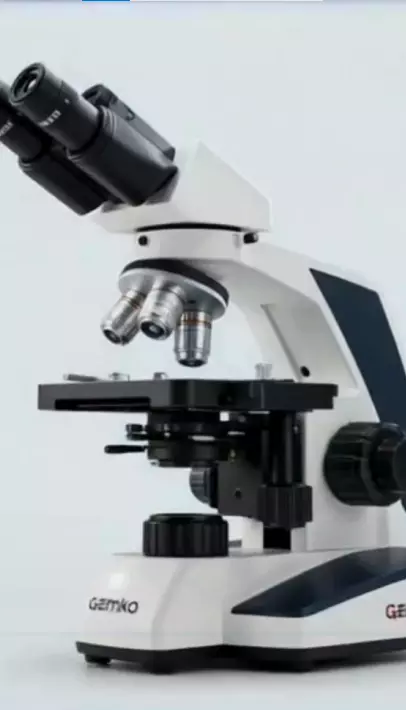
A microscope can be one of the most frequently used instruments in a biology laboratory. From classroom demonstrations to scientific observations, it helps students and professionals examine details that cannot be seen with the naked eye.
However, even a well-designed microscope needs proper care. Dusty lenses, careless handling, and improper storage can affect its performance over time. For schools, colleges, and laboratories, developing simple maintenance habits can help protect valuable Laboratory Equipment.
Why Microscope Maintenance Matters
A microscope contains optical and mechanical components that need careful handling. Regular maintenance helps keep the instrument clean, usable, and ready for laboratory activities.
In a School Laboratory, several students may use the same microscope during practical sessions. In a College Laboratory, instruments may be used regularly for biology demonstrations and specimen observation.
Simple maintenance procedures can help reduce avoidable damage and support consistent everyday use.
1. Handle the Microscope Carefully
Always carry a microscope according to the manufacturer's instructions. Many conventional laboratory microscopes should be carried using both hands, supporting the arm and base.
Avoid lifting the instrument by its eyepiece, focusing controls, or stage. Place it on a stable, dry work surface before use.
Careful handling is particularly important in educational environments where beginners are still learning how to operate laboratory instruments.
2. Clean the Lenses Properly
Optical cleanliness is essential for clear viewing.
Dust, fingerprints, and smudges can interfere with the image seen through a microscope. However, lenses should never be cleaned using rough cloth, paper towels, or unsuitable household cleaners.
Use lens-cleaning materials recommended by the manufacturer. Follow the product instructions, and avoid touching optical surfaces with your fingers.
If a lens appears damaged or internal contamination is visible, seek appropriate service assistance rather than attempting an uncertain repair.
3. Keep the Microscope Dry and Protected
Moisture and dust can create problems for optical and mechanical components.
When the microscope is not being used, switch it off, disconnect it where appropriate, and store it according to the manufacturer's recommendations. A suitable dust cover can help protect the instrument between sessions.
Laboratories should also avoid storing microscopes in unsuitable environments with excessive humidity or temperature fluctuations.
4. Use Focusing Controls Gently
Focusing controls should be operated smoothly without forcing them.
If the image does not become clear, check the specimen positioning, objective selection, illumination, and focusing procedure. Forcing a control that feels stuck can cause unnecessary damage.
Teachers can demonstrate correct focusing techniques before allowing students to use microscopes independently.
5. Check Illumination and Accessories
An LED microscope may offer convenient illumination for many educational applications, but its lighting system still requires appropriate care.
Check cables, switches, and other accessible components according to the manufacturer's instructions. Do not use damaged electrical equipment.
Slides, specimen accessories, and other components should also be stored properly to keep the laboratory organized.
Create a Simple Maintenance Routine
A practical maintenance schedule can help institutions care for their equipment consistently.
After each session:
- Switch off the microscope.
- Remove slides and accessories.
- Clean the work area.
- Check for visible dust or damage.
Periodically:
- Inspect the instrument for loose or damaged components.
- Review the condition of cables and illumination.
- Arrange professional servicing when necessary.
Always follow the manufacturer's specific maintenance instructions, as different microscope models may require different procedures.
Choosing Equipment With Long-Term Usability in Mind
Maintenance is only one part of managing laboratory equipment. Buyers should also consider construction, intended application, available support, warranty terms, and replacement-part availability.
Gemko Labwell provides microscope and laboratory equipment solutions for educational and scientific environments. Schools, colleges, and laboratory buyers can evaluate its products according to their specifications and practical requirements.
When selecting a microscope manufacturer in India, institutions should review product information and confirm the available maintenance and support arrangements before purchasing.
Final Thoughts
A microscope is an investment in practical science education and laboratory work. Careful handling, suitable cleaning, correct storage, and regular inspection can help keep the instrument in good condition.
Whether the microscope is used in a School Laboratory, College Laboratory, or research environment, maintenance should be treated as part of everyday laboratory practice.
Gemko Labwell supports educational and scientific environments with microscope and laboratory equipment solutions.
Contact Gemko Labwell to explore microscope options for your laboratory.