How to Pack Smart for the Char Dham Yatra?
Embarking on the Char Dham Yatra is no ordinary journey—it's a soul-stirring experience that blends devotion, adventure, and resilience. But let’s face it, if your packing game isn’t strong, even the most spiritual trip can turn stressful real quick. That’s why packing smart for the Char Dham Yatra is more than just stuffing a bag—it’s about thoughtful preparation that saves you from unnecessary headaches in the Himalayas.
You’re about to traverse steep paths, unpredictable weather, and often remote conditions where resources are scarce. And once you’re in those serene but demanding altitudes, there's no turning back for a forgotten pair of socks or your crucial medication. So, how do you pack wisely without carrying your entire wardrobe? Let’s dive into the ultimate guide that tells you what to carry, what to leave behind, and how to stay light, safe, and sorted on this sacred journey.
Introduction to Char Dham Yatra
Importance of Char Dham in Hinduism
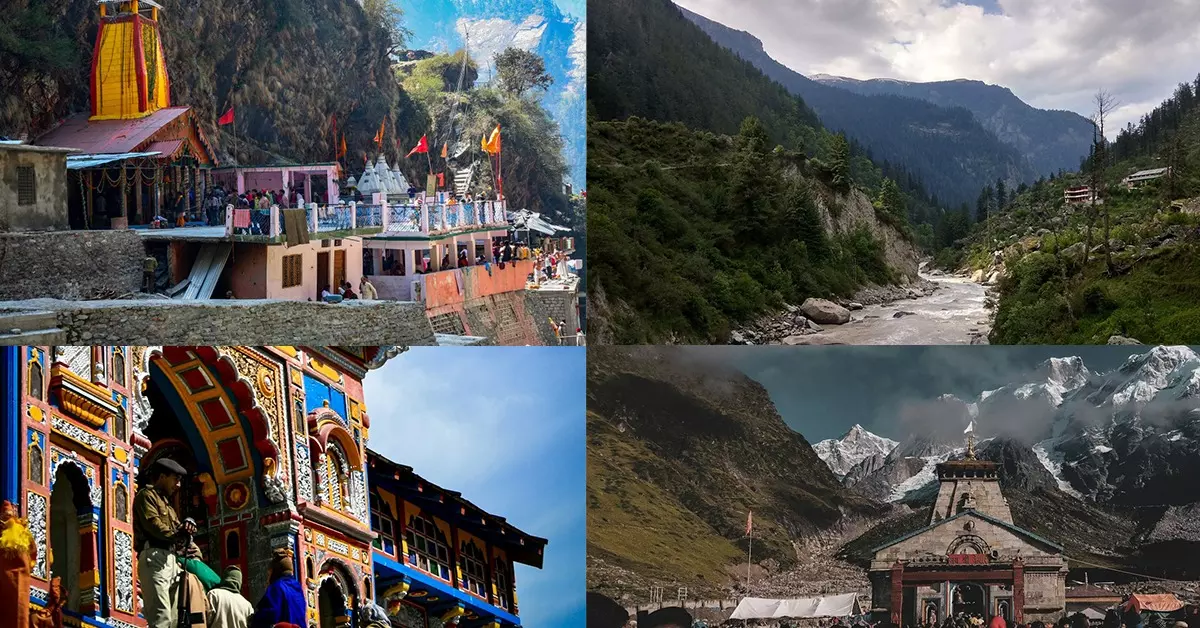
In Hinduism, the Char Dham Yatra is highly esteemed. Comprising four pilgrimage sites—Yamunotri, Gangotri, Kedarnath, and Badrinath—these dhams are nestled in the Garhwal Himalayas of Uttarakhand, India. Hindus believe visiting these holy shrines washes away sins and leads to moksha (liberation). Each dham is dedicated to a different deity: Yamunotri to Goddess Yamuna, Gangotri to Goddess Ganga, Kedarnath to Lord Shiva, and Badrinath to Lord Vishnu.
Undertaking this yatra isn’t just a physical expedition; it’s a spiritual journey where faith is tested by endurance. The temples are situated at high altitudes ranging from 3,000 to over 11,000 feet above sea level, making it a serious test of both devotion and stamina. Preparing for this pilgrimage, therefore, isn't only about reverence—it demands logistical readiness too.
Overview of the Journey – What to Expect
The complete Char Dham Yatra spans roughly 10 to 14 days depending on your mode of travel—by foot, vehicle, or helicopter. The path will take you through mountainous terrain, fluctuating temperatures, slippery slopes, and sometimes snow-covered routes. Don’t expect smooth, urban-style travel—think offbeat roads, occasional landslides, and cold nights.
Accommodation en route is usually basic—think lodges, guesthouses, and dharamshalas. Food is primarily vegetarian, with limited access to luxury or customized meals. Internet and mobile network coverage can be patchy in certain stretches. You may encounter long queues at temples and walk for hours on steep trails. That’s why packing needs to be practical, lightweight, and designed for comfort, safety, and spiritual needs.
Understanding the Terrain and Climate
Altitude and Weather Challenges
Let’s talk environment: Char Dham isn't your typical tourist hill station. These shrines are located in the upper Himalayas, and that means rapidly changing weather, thin air, and varying altitudes. For instance, Kedarnath sits at over 11,000 feet above sea level. Breathing can become labored, and even simple walks may feel exhausting.
Mornings can be sunny and warm, while afternoons may bring chilling winds or sudden showers. Nights? They drop to near-freezing temperatures even in summer. Packing without factoring this in could be a big mistake.
Here’s what you’re dealing with:
- Yamunotri (3,293 m): Steep 6 km trek from Janki Chatti, chilly evenings even in May.
- Gangotri (3,100 m): Freezing mornings, high UV exposure during daytime.
- Kedarnath (3,583 m): Long treks, unpredictable snowfall, oxygen dips.
- Badrinath (3,133 m): Relatively accessible, but cold and windy conditions persist.
Altitude sickness is a real concern. Symptoms like headaches, nausea, dizziness, and shortness of breath can hit unprepared travelers. That’s why warm clothing, hydration, and altitude medication are packing essentials.
Seasonal Packing Tips
The best time for Char Dham Yatra is from late April to early June and mid-September to early November. Monsoon (July-August) should be avoided due to landslides and roadblocks.
Summer (April to June):
- Days can be warm, but always carry woolens for evenings.
- UV rays are harsh—sunglasses, sunscreen, and headgear are musts.
- Breathable cotton during daytime is ideal.
Post-Monsoon (September to November):
- Expect colder days and icy winds at night.
- Layering is key. Carry thermals, woolen caps, gloves, and warm socks.
- Rain gear is optional but good to have—sporadic showers are possible.
In both seasons, waterproof shoes with a strong grip, quick-dry clothing, and a sturdy walking stick can be game changers.
Essential Documents and Identification
Government ID and Permits
First things first—your ID is your travel buddy. Always carry original and photocopies of at least one government-issued photo ID—Aadhaar card, passport, voter ID, or driver’s license. These are required at multiple checkpoints, including hotel check-ins, registration booths, and police posts.
In recent years, Uttarakhand Tourism has mandated pre-registration for the Char Dham Yatra. This can be done at specific counters or online. This registration includes biometric verification and is essential for tracking pilgrims and ensuring safety. Make sure to keep a printed and digital copy of the registration slip.
Other important permits may include:
- Medical fitness certificate: Especially for Kedarnath.
- Helicopter booking printouts (if applicable).
- Travel insurance documents.
Keep everything in a waterproof, zip-lock pouch or document organizer. Also, save scanned copies on your phone and cloud storage just in case.
Health Certificates and Insurance
Let’s be real—Char Dham is no walk in the park. You’ll be walking miles, breathing thinner air, and potentially facing harsh climates. Some districts now require a health/medical certificate proving you're fit for high-altitude travel, especially if you're above 50 or have pre-existing health conditions.
Travel insurance that covers accidents, altitude-related illnesses, and emergency evacuation is highly recommended. Medical emergencies en route can be expensive and logistically challenging.
Pro Tip: Inform a friend or relative about your itinerary, and keep emergency contact numbers noted down—digital and on paper.
Clothing Essentials for the Yatra
Layering Strategy for Temperature Fluctuations
Layering is your best friend on this journey. Instead of one thick jacket, opt for multiple lightweight layers that you can add or remove as the temperature changes throughout the day.
Here’s your go-to layering system:
- Base Layer – Thermal innerwear (top and bottom) to retain body heat.
- Middle Layer – Fleece or wool sweaters to insulate warmth.
- Outer Layer – Waterproof and windproof jacket for protection against rain and cold winds.
Don’t forget the essentials:
- Full-sleeved shirts to avoid sunburn.
- Quick-dry trekking pants.
- Thermal socks (carry at least 3-4 pairs).
- Woolen cap, gloves, and a muffler.
- Extra undergarments and one set of nightwear.
Always pack an extra set of clothes in case you get wet or muddy. Trust us, nothing’s worse than trekking in damp clothes.
Rain Protection and Footwear
Mountain weather is unpredictable. Sudden drizzles or unexpected snowfall are common, especially around Kedarnath and Yamunotri.
Rain Essentials:
- Poncho or raincoat with hood.
- Waterproof backpack cover.
- Quick-dry clothes.
- Waterproof pouches for gadgets and documents.
Footwear Matters:
- Trekking shoes with ankle support and a strong grip.
- Slippers or sandals for lodge use.
- Extra pair of insoles and socks.
Blisters and wet feet are major downers during the Yatra, so break in your shoes beforehand and always carry a small foot care kit.
Personal Care and Hygiene Items
Toiletries Checklist
When you’re trekking through remote areas and staying in basic accommodations, don’t expect hotel-level toiletries. Your hygiene kit needs to be self-sufficient and lightweight. Think minimalist, but don’t compromise on hygiene.
Here’s a solid checklist:
- Travel-sized toothpaste and toothbrush
- Mild soap or body wash
- Shampoo sachets or travel-size bottles
- Face wash and wet wipes
- Deodorant (roll-on preferred over spray)
- Comb or hairbrush
- Nail cutter
- Towel (quick-dry microfiber towels are best)
Don’t forget a small mirror, cotton buds, and some tissues. Wet wipes come in super handy when you don’t have access to clean water. A compact hygiene pouch with labeled compartments can keep all of this organized and easy to access.
For those with sensitive skin, pack dermatologically tested products. Remember, the high altitude and dry air can irritate your skin, so a good moisturizer and lip balm with SPF are essential to prevent cracking or peeling.
Female Hygiene Essentials
Ladies, let’s get real—managing periods in the mountains can be tricky if you’re not prepared. The remote areas might not always have access to sanitary products, so bring more than you think you’ll need.
Must-carry items include:
- Sanitary pads, tampons, or menstrual cups
- Disposable bags for used products
- Hand sanitizer and extra tissues
- Mild intimate wash (optional, but recommended)
Menstrual cups are eco-friendly and convenient for longer journeys, but only use them if you’re already comfortable. It’s also wise to carry spare underwear, a pair of leggings, and medication for cramps (like mefenamic acid).
Be mindful about disposing of sanitary waste—carry zip-locks or biodegradable bags, and never litter in the hills. Respect the environment, always.
Medication and First Aid Must-Haves
Prescription and OTC Medicines
Medical facilities are sparse once you start the yatra, so your own mini-pharmacy is non-negotiable. Whether it’s a basic headache or altitude sickness, you’ll want to be prepared.
Pack these essentials:
- Prescribed medications (with written prescriptions)
- Paracetamol for fever or body aches
- Antihistamines for allergies
- Anti-diarrheal (like loperamide)
- Antacids for indigestion
- Pain relievers or muscle sprays
- Eye/ear drops if needed
- ORS (oral rehydration salts)
Also, if you suffer from chronic issues like asthma, diabetes, or high blood pressure, carry backup supplies and ensure your travel buddies know what to do in an emergency.
Keep all medications in a waterproof pouch and label them clearly. A printed dosage chart can be super helpful, especially when traveling with elders.
Altitude Sickness and Emergency Kit
Altitude sickness is a common concern, especially in Kedarnath and Yamunotri. Symptoms include nausea, fatigue, and shortness of breath. Carry acetazolamide (Diamox) after consulting your doctor—it helps prevent and reduce the effects.
Your emergency kit should also include:
- Band-aids, gauze, and antiseptic cream
- Thermometer
- Tweezers and scissors
- Crepe bandage for sprains
- Safety pins
- Inhaler (if prone to asthma)
- Digital oximeter to check oxygen levels (optional but useful)
Pro Tip: Divide medicines between two pouches—one in your backpack, one in your daypack. That way, if one gets lost or wet, you're still covered.
Tech and Communication Gear
Mobile Phones and Connectivity
Mobile connectivity during the Char Dham Yatra is spotty and depends on the region. BSNL and Jio work best in higher altitudes, so carry a SIM card from either provider. Don’t rely on Wi-Fi—it’s rare and usually very slow.
Other phone essentials:
- Offline maps downloaded beforehand (Google Maps or Maps.me)
- Emergency contact numbers saved on paper and phone
- Pilgrimage apps like “Char Dham Yatra” for route and weather updates
Ensure your phone is in a shockproof and waterproof case. Mountains aren’t very forgiving to dropped or wet devices!
Power Banks and Charging Solutions
Power outages are frequent, especially in remote accommodations. Carry a high-capacity power bank (at least 20,000 mAh) to keep your phone and other gadgets running. If you're into photography or using GPS extensively, you’ll drain your battery faster than usual.
Also, bring:
- Multi-port USB charger
- Extra charging cables
- Universal plug adapter
- Small torch/headlamp with spare batteries
If you're a serious trekker or planning off-grid detours, consider a solar charger—a bit bulky, but incredibly helpful.
Food, Water, and Nutrition
High-Energy Snacks and Hydration
The food en route is basic, often rice, dal, sabzi, and roti. Delicious? Yes. Nutritionally dense? Not always. You’ll need some backup to keep your energy up.
Smart snacks to pack:
- Protein bars
- Trail mix (nuts, raisins, seeds)
- Glucose biscuits
- Peanut butter sachets
- Energy gels or ORS pouches
- Dry fruits like almonds and dates
These will keep you full and active during long treks or if meals are delayed. They’re also light, compact, and easy to carry.
Stay hydrated like your life depends on it—because it does. High altitudes can dehydrate you quickly. Carry a 1-2 liter water bottle or hydration bladder and sip water frequently. Adding electrolyte tabs helps replenish lost minerals.
Water Purification Options
Clean drinking water is not always a given, especially at high-altitude dhams. While bottled water is available, it’s not always the most eco-friendly or economical choice.
Purification options:
- Chlorine or iodine tablets
- Portable water filters (like LifeStraw)
- UV purification bottles
- Boiling water (if your lodge provides facilities)
Always have a backup purification method—you never know when you’ll need it.
Luggage and Packing Techniques
Choosing the Right Backpack
Your backpack is your best buddy on this trip, so choose wisely. Aim for a 40-50 liter backpack with:
- Padded straps and hip belt
- Rain cover
- Multiple compartments
- Breathable back panel
You’ll also need a smaller daypack (10-15 liters) for temple visits, short treks, or when leaving your main pack at the lodge.
Go for quality over brand. A poorly made bag can ruin your back and your trip.
Packing Cubes and Organization
Packing cubes are life-savers. They not only organize your stuff but also help compress clothing so you can fit more into less space. Assign one cube each for clothes, toiletries, and gadgets. Use zip-locks for snacks and documents.
Tips:
- Keep bulky objects at your back and at the bottom.
- Roll clothes instead of folding
- Use a separate laundry bag for used clothes
- Waterproof your gear with garbage bags or liners inside the backpack
A checklist app can help you cross off items and ensure nothing is left behind.
Safety and Security Tips
Keeping Valuables Safe
When you’re amidst large crowds, unpredictable terrain, and basic accommodations, keeping your valuables secure becomes top priority. You don’t want to be worrying about your wallet while you're taking in the spiritual vibe of Kedarnath, right?
Here are a few hacks to keep your essentials safe:
- Carry a money belt or neck pouch for passport, ID, and cash.
- Avoid flashy jewelry or expensive items that attract attention.
- Use a small TSA-approved lock on your main backpack.
- Keep a dummy wallet with a small amount of cash in your pocket to deter potential pickpockets.
Divide your money and cards between your luggage and pockets. That way, if one bag is lost or stolen, you’re not left stranded. Also, make sure you keep an emergency stash of cash tucked away in your shoe lining or hidden pouch.
Trust your instincts—if a place or person seems shady, keep your distance and inform your group or guide.
Dealing with Crowds and Monkeys
Ah, the crowds—the yatra attracts thousands of devotees daily. And with crowds come chaos. Long queues, narrow paths, and rush hours at temples can feel overwhelming.
Tips to stay safe in crowds:
- Stick with your group or buddy system.
- Avoid pushing or rushing—respect the pace.
- Keep your backpack on your front in tight spaces.
Also, beware of the unexpected menace: monkeys. Especially near temples, they can snatch food, water bottles, and even glasses.
Here’s how to deal:
- Don’t make eye contact or tease them.
- Avoid carrying food in open bags or hands.
- Use monkey-proof bag covers if needed.
Staying alert, calm, and prepared goes a long way in keeping your journey smooth and secure.
Spiritual Essentials to Carry
Pooja Samagri and Offerings
For many pilgrims, offering rituals at each dham is the heart of the journey. While basic offerings are available near temples, carrying your own pooja items ensures personal connection and convenience.
Essentials include:
- Incense sticks (agarbatti)
- Camphor
- Small diya or lamp
- Red/yellow cloth
- Rice grains and kumkum
- Matchbox or lighter
- Small steel or copper plate
- Flowers (can also be bought locally)
Carry everything in a small, organized pouch. Some devotees also carry gangajal bottles to collect water from Gangotri or perform abhishekam rituals. Make sure to check temple-specific protocols for offerings and follow the local guidelines respectfully.
Scriptures and Meditation Aids
If you're into spiritual reading or meditation, this is your time to truly connect. Carry small pocket-sized scriptures like the Bhagavad Gita, Hanuman Chalisa, or personal prayer books. You can also bring rudraksha malas, chanting beads, or portable meditation mats.
Since many travelers choose to spend quiet moments reflecting or meditating in the Himalayan calm, having your spiritual tools ready can enrich the experience.
Download bhajans, mantras, or guided meditations in advance if you rely on tech. Signal might be weak but your inner connection will be strong.
Sustainable and Responsible Travel Tips
Eco-Friendly Products
The fragile Himalayan ecosystem suffers due to littering and irresponsible tourism. As pilgrims, it’s our duty to leave no trace and minimize our carbon footprint.
Pack:
- Reusable water bottle or metal flask
- Cloth bags instead of plastic
- Wooden toothbrush and biodegradable soap
- Menstrual cups or reusable pads for women
- Solar-powered lights or chargers
Avoid single-use plastics. Instead of buying packaged snacks, carry homemade trail mixes or reusable pouches. If you do generate waste, carry it back down and dispose of it responsibly.
Local vendors are often hit by the influx of tourists, so support them by buying regional products instead of large chain brands.
Respecting the Local Culture and Nature
This is a sacred space—both spiritually and ecologically. Respect it with:
- Modest clothing (covering shoulders and knees)
- Soft voices in temple areas and natural surroundings
- No littering or plucking plants
- No photography in restricted areas
- Being kind and respectful to locals and fellow pilgrims
If you spot litter, don’t just walk past—pick it up. Be an example others can follow. Your small gesture can protect this sacred terrain for future generations.
What Not to Pack
Avoiding Unnecessary Items
Every extra item adds weight—and regret. Avoid overpacking by leaving behind:
- Heavy books
- Expensive electronics (unless essential)
- Fancy clothes or party wear
- Hairdryers or large grooming tools
- Perfumes or aerosol sprays
Mountain life is minimalist. You’ll be glad you didn’t carry that extra pair of jeans when you're climbing that steep slope at Kedarnath.
Instead, follow the golden rule: “If you’re not going to use it at least twice, don’t pack it.”
Items Banned in the Region
There are also items you are legally prohibited from carrying:
- Alcohol and cigarettes (strictly banned in dham areas)
- Leather items (avoid belts or wallets if you’re visiting temples)
- Plastic bags in some districts
- Drones without permission
Respecting these rules not only avoids trouble with authorities but also aligns with the sanctity of the pilgrimage.
Travel Gear for Photography and Memories
Camera and Storage Devices
Want to capture those breathtaking Himalayan views? Great! But don’t lug your entire studio setup.
Here’s the smart gear list:
- Lightweight DSLR or mirrorless camera
- Action camera like GoPro (great for treks)
- Smartphone with good camera features
- Tripod (mini or flexible)
- Extra memory cards and batteries
- Waterproof pouch or dry bag
Use cloud backups when you get a signal or keep a USB stick for transfers. But remember—soak in the moment before you frame it. Don’t let your camera come between you and the divine experience.
Journaling and Souvenir Tips
Sometimes the best memories are the ones you write down. Carry a small travel journal to document your thoughts, sights, and experiences. It’s therapeutic and makes for a precious keepsake.
Souvenirs to consider:
- Local woolen shawls or caps
- Rudraksha beads
- Copper utensils
- Herbal products or Himalayan salts
Buy from local vendors to support small businesses and keep the authenticity alive. Skip cheap plastic souvenirs—they don’t last and harm the environment.
Packing for Group vs. Solo Travel
Sharing Load and Responsibilities
If you're traveling with a group—be it family, friends, or a tour party—you have the luxury of dividing the packing responsibilities. This is a huge advantage, especially when it comes to carrying bulk items like:
- First-aid kits
- Pooja samagri
- Group snacks or dry rations
- Chargers and power banks
- Water purification tools
You can assign roles like the “medicine keeper,” “snack supplier,” or “document carrier” to evenly share the load. This not only saves space and energy but ensures that nothing essential gets missed.
Also, consider sharing things like:
- Tents (if doing offbeat trekking)
- Toiletries like soaps and shampoos
- Sunscreens, sanitizers, and insect repellent
Group travel adds a layer of safety and companionship. However, it’s also important to pack your personal essentials—like documents, ID, medications, and clothing—independently, in case you get separated.
If you're looking for a trusted and well-organized Char Dham Yatra experience, I highly recommend booking your journey through The Searching Souls. They handle everything—from travel logistics to accommodation—so you can focus fully on your spiritual quest.
Solo Traveler Must-Haves
If you're doing the yatra solo—more power to you! But it also means being extra self-reliant and organized. You won't have anyone to fall back on if you forget something.
Solo packing musts:
- Emergency whistle
- Extra power bank
- Lightweight emergency blanket
- Printed route maps and accommodation details
- Backup cash and duplicate ID copies
- Self-defense tools (pepper spray, etc. where allowed)
Also consider keeping a contact list on paper—local contacts, hotel numbers, family emergency numbers—in case your phone dies. A compact and well-organized backpack becomes even more critical when you're solo.
Solo travelers often bond more with locals and find spiritual peace more deeply—but that only happens when you're safe and well-prepared.
Conclusion
Packing smart for the Char Dham Yatra isn't about fitting your entire house into a backpack—it's about intentional, minimal, and meaningful packing. When you're trekking through divine landscapes, bathing in holy rivers, and standing in front of majestic shrines, you’ll want your focus to be on devotion, not discomfort.
From understanding the altitude and unpredictable climate to layering your clothes, packing the right medications, and organizing your spiritual supplies—each step of preparation brings you closer to a smooth, soulful yatra.
Remember, the Himalayas are sacred and unforgiving. You don’t get do-overs here. So be respectful to the environment, mindful of your fellow travelers, and take only what truly serves you on this holy path.
With a balanced backpack and an open heart, the Char Dham Yatra can be one of the most transformative experiences of your life. Happy journey, and may the gods bless your path!