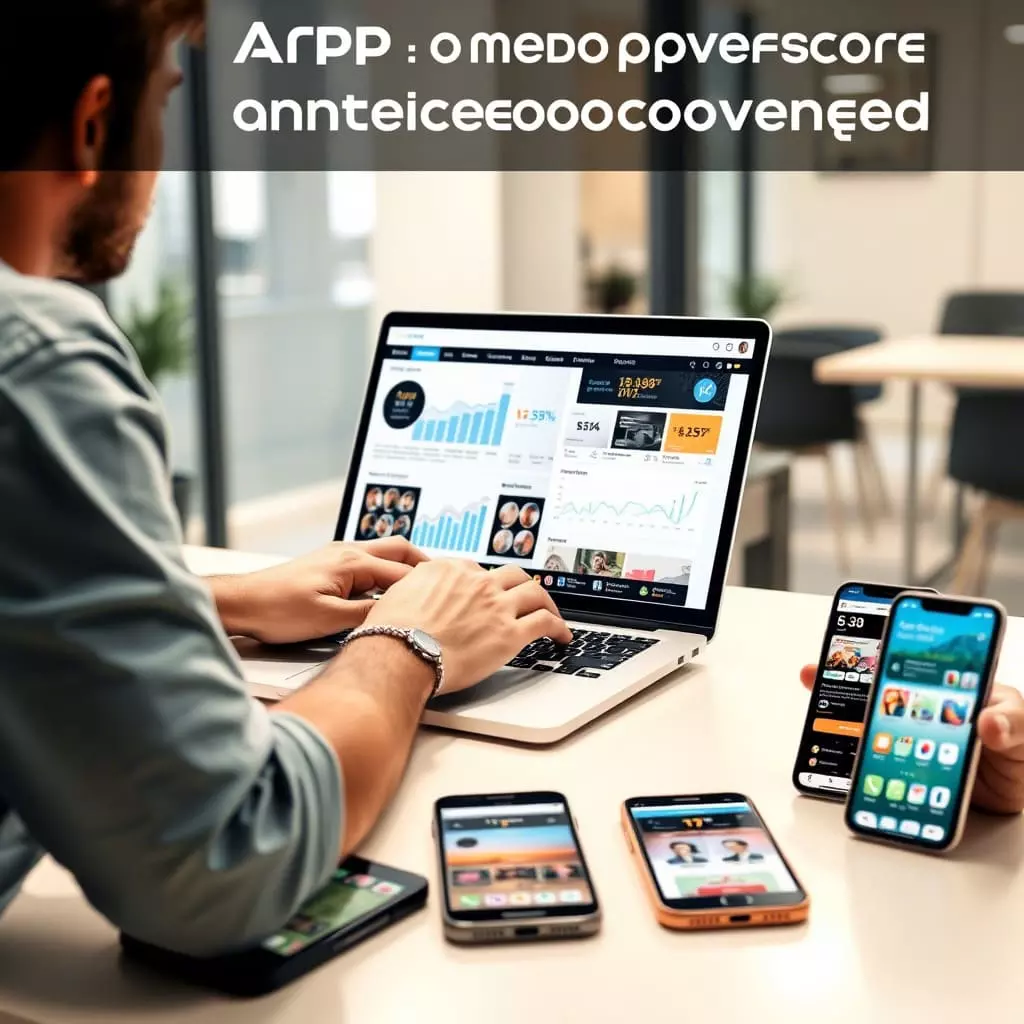
How to Optimize Your App Store Theme for Better Sales
Introduction
Your app’s success starts with its first print on the app store. A well- drafted app store theme is n’t just about aesthetics, it's a strategic tool to drive downloads, engagement, and deals. With millions of apps contending for attention, optimizing your theme( illustrations, descriptions, and metadata) can mean the difference between obscurity and virality.
In this companion, we’ll walk through a practicable way to design an app store presence that converts casual cybersurfers into pious druggies. Let progeny start!
Section 1: Understanding the Role of an App Store Theme
Your app store theme is the face of your brand in the digital business. It includes your app’s icon, screenshots, vids, description, and indeed the keywords you target. Suppose of it as a virtual storefront if it’s cluttered, confusing, or unpleasing, druggies will scroll history.
A cohesive theme builds trust, communicates your app’s value, and aligns with your brand identity. For illustration, a contemplation app might use comforting blues and whites, while a gaming app could conclude for bold, dynamic illustrations. The key is to produce a flawless experience that guides druggies from “ What’s this? ” to “ I need this! ”
Section 2: Research Your Audience and Competitors
Before designing, knows who you’re targeting. Analyze:
- Audience demographics: Age, location, interests.
- contender apps: What illustrations, keywords, and CTAs do they use?
- Tools like Sensor Tower or App Annie can reveal trends in top- performing apps. For case, if challengers in your niche use videotape trials, prioritize creating one. acclimatize their strengths but fit your unique brand voice to stand out.
Section 3: Craft a Visually Striking App Icon
Your icon is the first thing users notice. Keep it:
- Simple: Avoid tiny details that blur on small screens.
- Brand-aligned: Use colors and shapes tied to your logo.
- Tested: Run A/B tests on different designs.
- Pro Tip: Dropbox’s iconic blue box is instantly recognizable—yours should be too.
Section 4: Optimize Screenshots for Storytelling
Screenshots should tell a story, not just show features. Use them to:
- Highlight core functionalities (e.g., “Track workouts in real-time”).
- Showcase user benefits (e.g., “Save 3 hours/week with smart scheduling”).
- Add captions or annotations to guide the eye.
- Limit yourself to 5-7 screenshots, and place the most compelling ones first.
Section 5: Leverage App Preview Videos
A 15-30 second video can boost conversions by 35%. Ensure your video:
- Starts with a hook (e.g., a problem statement).
- Shows the app in action.
- Ends with a clear CTA (“Download Now”).
- Keep it autoplay-friendly and mute-safe—add subtitles for sound-off viewers.
Section 6: Write a Compelling App Description
Your description should:
- Open strong: Lead with the #1 benefit (e.g., “Transform your sleep in 7 days”).
- Use bullet points: Break down features for skimmers.
- Include keywords: Naturally integrate terms like “fitness tracker” or “budget planner”.
- Avoid jargon—write like you’re explaining the app to a friend.
Section 7: Master Keyword Optimization
App stores use keywords to rank your app. Tools like MobileAction or ASO tool suites can help:
- Primary keywords: 1-2 core terms (e.g., “meal planner app”).
- Long-tail keywords: “Vegetarian meal planner for busy moms”.
- Avoid repetition: Apple’s algorithm penalizes keyword stuffing.
- Update keywords regularly based on trends.
Section 8: Localize Your Theme for Global Audiences
Tailor your theme to different regions:
- Translate descriptions and keywords.
- Adjust visuals (e.g., currency symbols, cultural references).
- Highlight local success stories or reviews.
- Localization can increase downloads by 25% in non-English markets.
Section 9: Encourage and Showcase Reviews
Positive reviews boost credibility. To get more:
- Prompt users to rate after a positive in-app experience.
- Respond to feedback (even negative ones) to show you care.
- Feature snippets like “Rated 4.9/5 by 10k+ users” in your screenshots.
Section 10: A/B Test Everything
Never assume—test! Experiment with:
- Different icon colors.
- Video vs. static screenshots.
- CTAs like “Get Started” vs. “Try Free”.
- Use platforms like Google Play Experiments or SplitMetrics to track performance.
Conclusion
Optimizing your app store theme is n’t a one- time task it’s an ongoing process of testing, tweaking, and staying ahead of trends. By blending eye- catching illustrations, strategic keywords, and stoner- centric messaging, you’ll produce a theme that not only ranks advanced but also resonates deeply with your followership.
Ready to see your app soar? Start with one tip from this companion moment, and watch your downloads and deals — rise!