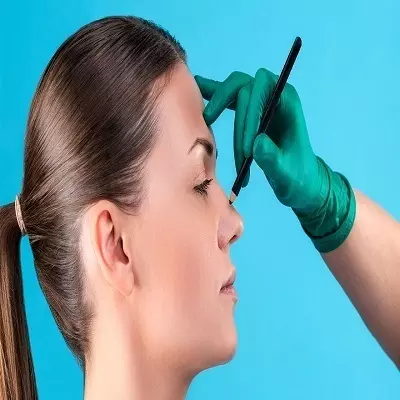
How to Minimize Scars After Rhinoplasty in Islamabad
For many individuals seeking aesthetic or functional enhancement of the nose, Rhinoplasty in Islamabad offers a safe and effective solution. While the primary goal of the surgery is to reshape or repair the nose, some patients may have concerns about post-surgical scarring.
Fortunately, when performed by skilled surgeons using modern techniques, rhinoplasty generally leaves minimal visible scars. However, patients also play a critical role in the healing process and can take proactive measures to reduce scarring and promote optimal skin recovery.
Understanding Scarring in Rhinoplasty
Scarring after rhinoplasty largely depends on the type of surgical technique used. In a closed rhinoplasty, incisions are made inside the nostrils, leaving no visible scars on the outside.
Open rhinoplasty, on the other hand, involves a small incision across the columella—the narrow tissue between the nostrils—which may result in a minor external scar.
However, with proper care and advanced surgical methods, even this external scar often fades over time and becomes nearly invisible.
Scarring can also vary depending on the individual's skin type, healing response, and post-operative care regimen. Understanding these factors can help patients be more prepared and attentive during recovery.
Choosing an Experienced Surgeon
Minimizing scars begins with selecting a qualified and experienced facial plastic surgeon. An expert who specializes in rhinoplasty understands how to place incisions precisely and use techniques that reduce tissue trauma. Skilled surgeons also provide detailed aftercare instructions to support scar healing and minimize complications such as infection or poor wound closure.
Choosing a board-certified professional with a proven track record in aesthetic and reconstructive nasal surgery is essential for minimizing visible scarring.
Following Post-Operative Instructions
Adherence to post-operative care instructions is vital to reduce the risk of prominent scars. Patients should avoid touching or disturbing the surgical site, especially in the early healing phase. Keeping the area clean and protected from infection is critical.
Sleeping with the head elevated can help minimize swelling, which in turn supports better incision healing. Additionally, patients must avoid any pressure on the nose, such as wearing glasses without support or engaging in contact sports during the recovery period.
Scar Treatment Options and Topical Care
Once the incisions have healed and the surgeon gives clearance, the use of scar-reducing ointments can aid in the healing process. Products containing ingredients like silicone gel, vitamin E, or onion extract may help soften scar tissue and reduce discoloration over time. These treatments should only be used after approval from the surgeon to ensure they do not interfere with healing.
Massaging the incision site gently with a recommended cream can also stimulate blood flow and prevent excessive tissue buildup, which might otherwise lead to raised or thickened scars.
Sun Protection and Skin Care
Sun exposure can darken scars and make them more noticeable. It’s essential to protect the healing skin from UV rays by using sunscreen with a high SPF on the nose, even on cloudy days. In cases where the scar is still pink or sensitive, covering the area with a hat or mask while outdoors can offer additional protection.
Patients should also avoid using harsh skincare products or exfoliants near the incision area until healing is complete. A gentle skincare routine focused on hydration and barrier repair can assist the skin in recovering naturally.
Monitoring and Early Intervention
Not all scars heal the same way, and in some cases, patients may notice irregularities in the way their scar is forming. Early signs of hypertrophic or keloid scars—such as thick, raised, or itchy tissue—should be addressed with the surgeon promptly. Timely interventions like corticosteroid injections or laser therapy can be effective in managing problematic scar tissue.
Frequent follow-up visits with the surgical team ensure that any concerns are identified and treated early, which greatly contributes to favorable aesthetic outcomes.
Read: Best Dermatologist in Noida for Anti-Aging, Hair &
Long-Term Considerations
Scars continue to evolve for several months after surgery. It’s important for patients to be patient with the process and understand that final results—including the appearance of scars—may not be visible until 6 to 12 months post-surgery. Proper care, sun protection, and consistent monitoring will all contribute to optimal results.
Additionally, patients should avoid smoking during recovery, as it restricts blood flow and can significantly impair wound healing, leading to more pronounced scarring.
Conclusion
While rhinoplasty is a highly precise and individualized procedure, minimizing scarring requires a collaborative effort between the patient and the surgeon. With proper technique, attentive aftercare, and proactive measures, most scars heal inconspicuously and do not detract from the surgical outcome.
Patients seeking comprehensive care and expert surgical guidance can rely on the team at SKN Cosmetics clinic in Islamabad, where a commitment to precision, safety, and patient satisfaction is at the core of every rhinoplasty procedure.