How to Manage Household Waste Efficiently
An essential aspect of maintaining a clean, orderly, and ecologically friendly house is control of household waste. Every day tasks generate many kinds of waste, such as food waste, packaging, and discarded household items.
Without a good waste management plan, clutter can swiftly accumulate and grow, making it challenging to control. Small routines and good organisation can help a great deal.
Mini Skip Hire Wigan provides a sensible solution for quickly and properly disposing of waste for larger house clean-ups or remodelling jobs. Following a few good habits will help you to cut trash, increase recycling, and therefore preserve your house in its best state.
Divide Trash Among Several Kinds
One of the simplest ways to help with household waste management is to separate trash. Keep separate containers for food waste, recyclable materials, and general trash.
This greatly simplifies trash management and stops recyclable items from winding up in landfills. Show every member of the family how to sort their trash. A straightforward approach helps to keep the house more orderly and motivates everyone to help.
Cut waste before it starts
Reducing less of it will help one to best control waste. Buy just what you require and stay clear of goods with too much packaging. Reusable shopping bags, refillable bottles, and long-lasting household goods should be chosen anytime.
Little daily routine adjustments could greatly lower your home's trash output. Less garbage also results in lower trash costs and a more pristine environment.
Make recycling an everyday behaviour
Recycling lessens landfill waste and helps save natural resources. Local collection agencies can typically recycle things, including metal, glass, paper, cardboard, and various plastics.
Before putting containers in recycling bins, rinse them to maintain the purity of the contents. Understanding local recycling regulations also helps to guarantee appropriate processing of recyclable materials.
Compost organic waste
Food scraps and yard waste do not always have to go in the trash. One great approach to transform organic waste into nutrient-rich material for your garden is composting.
A compost bin can accommodate fruit peels, vegetable leftovers, coffee grounds, and grass clippings. Composting helps soil quality for plants and flowers while cutting down on domestic garbage.
Read: Best Practices for Skip Bin Hire in Perth
Get rid of big items appropriately
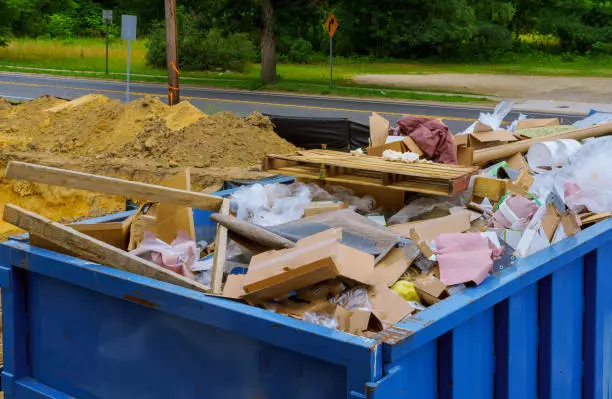
Special disposal techniques are needed for renovation waste, old furniture, and broken equipment. Steer clear of leaving large objects outside your house or putting them in conventional garbage cans. Dealing with a lot of garbage calls for local recycling facilities, council collection services, or skip hire. Proper disposal keeps neighbourhoods clean and helps the surroundings.
Divide the dangerous garbage
Some domestic trash demands special attention. Never combine electrical goods, light bulbs, paint, chemicals, and batteries with everyday waste. Keep these items until you may bring them to a sanctioned collection site. Appropriate garbage will help to lower possible health hazards and help to safeguard the surroundings.
Set Regular Waste Management Schedules
Good home garbage management depends on consistency. Empty bins regularly to prevent trash accumulation. Include trash management and recycling in your regular weekly housework schedule. Support every family member's help. Basic daily routines help you to keep your house cleaner, lower offensive smells , and make garbage handling much simpler all year long.
Teach the Entire Family About Waste Management
Good trash management results when every family member participates. Reduce, reuse, and recycle should be taught to adults and kids alike. Put clear labels on containers so everyone knows where each type of trash belongs.
Promote easy routines, including flattening cardboard boxes, washing recyclable items, and cutting unwanted trash. Instead of waiting until trash accumulates, incorporate trash management into your daily schedule. Every family member's responsibility helps keep the house tidy and well organised. Collaborating also helps cut the volume of trash sent to landfills.
Conclusion
Good home trash management begins with a few useful adjustments. Waste separation, trash reduction, recycling, composting, and appropriate disposal of hazardous or large objects all help to create a healthier environment and a cleaner house.
A regular waste management plan helps to keep clutter under control and helps to streamline daily life. Planning ahead for bigger clean-up initiatives and developing these basic practices will help you to minimise waste, save time, and create a more sustainable household for the future.