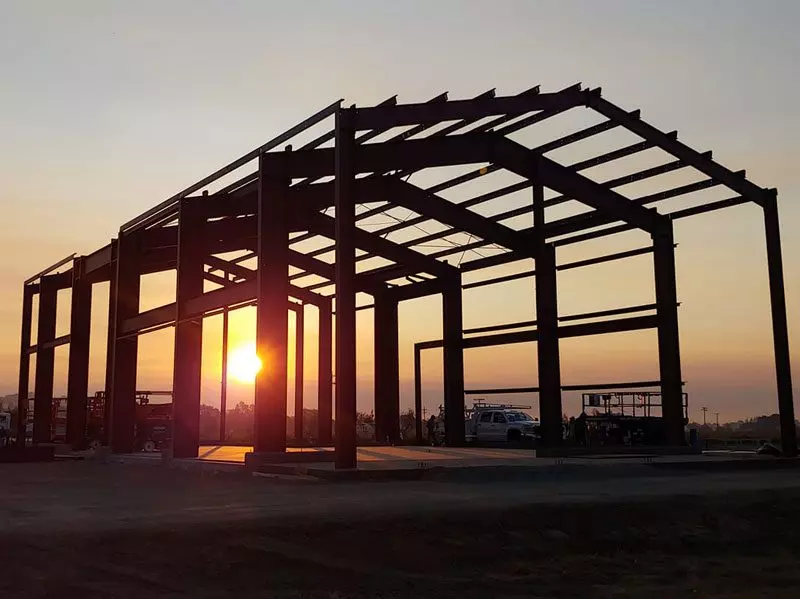
How to Maintain and Protect Structural Steel Buildings?
Structural steel buildings are known for their strength, flexibility, and durability. However, like any other construction material, steel also requires proper maintenance and protection to ensure long-term performance. Regular upkeep not only prevents costly repairs but also extends the lifespan of the building.
Contractors and building owners often rely on Structural Steel Takeoff Services during planning and construction to forecast costs, but the real value of steel lies in how well it is maintained after installation. A proactive maintenance approach ensures that steel structures continue to perform safely and efficiently for decades.
Why Maintenance of Structural Steel is Important
- Prevents corrosion and rust formation
- Ensures fire protection systems remain effective
- Maintains structural integrity under heavy loads
- Reduces long-term repair and replacement costs
- Increases the building’s overall lifespan
Key Maintenance Practices for Structural Steel Buildings
1. Regular Inspections
Conduct visual inspections at least once or twice a year to identify cracks, rust, loose bolts, or coating damage. Early detection helps prevent minor issues from turning into major structural problems.
2. Corrosion Prevention
Moisture is the biggest threat to steel. To protect against corrosion:
- Apply protective coatings such as paint, galvanization, or powder coating
- Ensure proper drainage to avoid water accumulation around steel elements
- Use corrosion-resistant alloys in highly exposed areas
3. Fireproofing Maintenance
Structural steel loses strength under extreme heat, so fireproofing is critical. Inspect and maintain fire-resistant coatings like intumescent paint or spray-applied fireproofing to ensure they remain intact and functional.
4. Cleaning and Surface Care
Dust, chemicals, and pollutants can accelerate corrosion. Clean exposed steel surfaces periodically with water or mild detergents to remove dirt and contaminants.
5. Structural Repairs
If damage such as dents, cracks, or corrosion is identified, immediate repairs should be carried out. Welding, bolt replacements, or re-coating may be necessary depending on the severity of the damage.
6. Protective Coatings Renewal
Over time, paint and protective layers wear off. Reapply coatings as needed to maintain protection against rust and environmental damage.
7. Environmental Control
For industrial buildings, controlling humidity, ventilation, and exposure to harmful chemicals can significantly reduce the risk of steel degradation.
Best Practices for Protecting Structural Steel
- Use high-quality, factory-applied protective coatings
- Design buildings with proper water drainage systems
- Choose the right type of steel depending on exposure (e.g., weathering steel in outdoor environments)
- Schedule professional inspections every few years for large-scale industrial or commercial structures
Long-Term Benefits of Proper Steel Maintenance
- Increased safety for occupants
- Lower repair and replacement costs
- Higher property value and longevity
- Improved energy efficiency and sustainability
Conclusion
Maintaining and protecting structural steel buildings is essential to preserve their strength, safety, and durability. From corrosion control to fireproofing and regular inspections, proactive maintenance ensures long-term performance. By planning costs upfront with Structural Steel Estimating and following effective protection strategies, building owners can maximize the value and lifespan of their steel structures.
FAQs
Q1. How often should structural steel buildings be inspected?
At least once or twice a year, with additional inspections after extreme weather events.
Q2. What is the best way to prevent corrosion in steel structures?
Applying protective coatings, ensuring proper drainage, and using galvanization are the most effective methods.
Q3. Do steel buildings require repainting?
Yes, protective coatings such as paint should be reapplied periodically to maintain corrosion resistance.
Q4. Is fireproofing necessary for steel buildings?
Yes, fireproofing is essential to maintain steel’s structural integrity during high temperatures.
Q5. How long can a well-maintained steel building last?
With proper maintenance, structural steel buildings can last for 50 years or more.