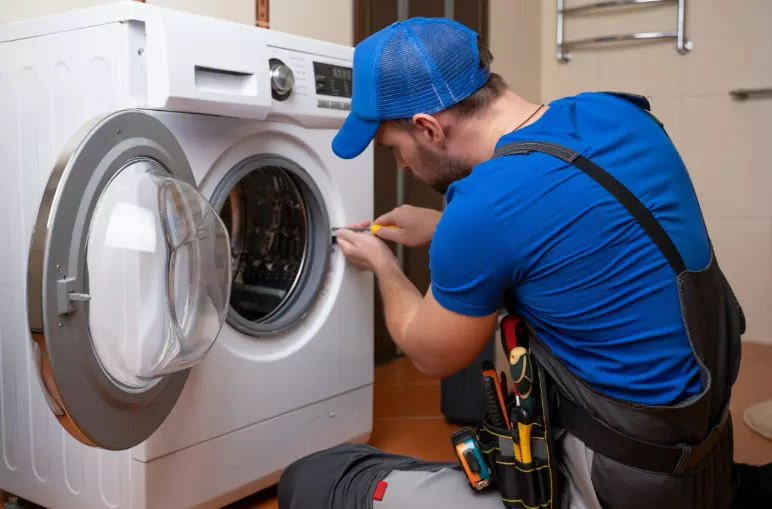
How to Extend the Lifespan of Your Laundry Appliances
Keeping your laundry appliances in good condition is essential for ensuring efficiency, saving money, and preventing unexpected breakdowns. Whether you own a high-efficiency washer or a powerful dryer, regular care and maintenance can make a world of difference in how long these machines last.
If you ever face a malfunction, professional help such as dryer repair services in Broward County, FL can restore your appliance’s performance and prevent further damage. But with the right habits, you can extend their lifespan and reduce the need for repairs altogether.
Understanding the Importance of Laundry Appliance Maintenance
Laundry appliances work hard week after week. Washers handle dirt, detergent, and constant water exposure, while dryers face heat, lint, and frequent cycles. Over time, these stresses lead to wear and tear. Without routine maintenance, small issues like clogged filters or unbalanced loads can turn into costly problems.
Proper maintenance not only extends the life of your appliances but also ensures they work efficiently. This means lower utility bills, cleaner clothes, and less hassle with unexpected breakdowns.
Regular Cleaning: The First Step to Longevity
Clean the Washer Drum and Gaskets
Residue from detergents and fabric softeners can build up inside the washing machine drum and rubber gasket. This buildup can cause unpleasant odors and affect washing performance. Once a month, run an empty cycle with hot water and a cup of white vinegar or a washer cleaner to keep the interior fresh and clean.
Clean the Dryer Lint Trap After Every Use
A clogged lint trap is one of the most common reasons for dryer malfunctions. Clean it after every load to allow proper airflow and prevent overheating. Not only does this improve efficiency, but it also significantly reduces the risk of fire hazards caused by lint accumulation.
Check and Clean Dryer Vents Regularly
Even if you clean the lint trap frequently, lint can still build up in the dryer vent. At least twice a year, disconnect the vent and clean it thoroughly using a vacuum or vent brush. Restricted airflow can make the dryer work harder and wear out faster.
Proper Usage Techniques to Reduce Wear
Don’t Overload Your Washer or Dryer
Filling your washer or dryer to maximum capacity might seem efficient, but it can strain the motor, drum, and suspension system. Overloading prevents thorough cleaning and drying and leads to premature mechanical issues. Follow the manufacturer’s load guidelines for best results.
Balance the Load Properly
An unbalanced load in the washing machine can cause excessive vibration, noise, and damage to internal parts. Make sure to distribute clothes evenly around the drum to maintain balance during cycles.
Use the Correct Detergent
For high-efficiency washers, always use HE (High Efficiency) detergent. Using too much or the wrong type of detergent can create excess suds that affect rinse cycles and cause residue buildup in the machine.
Regular Inspections and Preventive Care
Check Hoses and Connections
Washer hoses can wear out or crack over time, leading to leaks or bursts. Inspect the hoses every few months and replace them every three to five years or sooner if they show signs of wear.
Examine Dryer Belts and Drum Rollers
If your dryer makes squeaking or thumping noises, it might indicate worn-out belts or rollers. Scheduling regular inspections can catch these issues early before they cause more serious mechanical failures.
Keep the Area Around Appliances Clean
Dust and debris can accumulate behind or underneath appliances, affecting performance and safety. Clean around your washer and dryer periodically to prevent lint buildup and improve ventilation.
Energy Efficiency and Longevity Go Hand in Hand
Use the Right Settings
Running cycles on the correct settings not only conserves energy but also reduces stress on your appliances. For instance, using cold water for most loads saves energy and prevents wear on heating elements.
Air Dry When Possible
Whenever practical, air-drying clothes instead of using the dryer helps extend the appliance’s lifespan. Even partial air drying before using the dryer can reduce cycle time and mechanical stress.
Avoid Excessive Use
Try to combine laundry loads efficiently to minimize the number of cycles you run per week. Reducing overall use can significantly extend the operational life of both machines.
When to Call for Professional Help
Even with the best care, appliances can develop problems over time. If your dryer isn’t heating properly, takes too long to dry clothes, or makes unusual noises, it’s best to contact professionals. Reliable dryer repair services in Broward County, FL can diagnose and fix issues before they worsen. Ignoring small malfunctions often leads to more expensive repairs or complete breakdowns later.
Certified technicians can also perform preventive maintenance, such as checking internal wiring, testing thermostat function, and ensuring optimal airflow. Regular professional check-ups can add years to your appliance’s lifespan.
Signs That It’s Time to Replace Rather Than Repair
While maintenance and timely repairs can extend the life of laundry appliances, every machine has a limit. You may need to consider replacement if:
- The repair costs exceed half the price of a new appliance.
- The appliance is over 10 years old and frequently breaks down.
- Efficiency has dropped significantly despite maintenance efforts.
Newer models often come with advanced energy-saving features and improved performance, which can reduce long-term operating costs.
Final Thoughts
Taking care of your laundry appliances is an investment that pays off through energy savings, fewer breakdowns, and a longer lifespan. Regular cleaning, proper use, and occasional professional inspections are key to keeping your washer and dryer running efficiently for years.
By following these simple but effective maintenance tips—and reaching out for expert help like dryer repair services when needed—you can enjoy reliable, long-lasting laundry performance without unnecessary expenses or inconvenience.