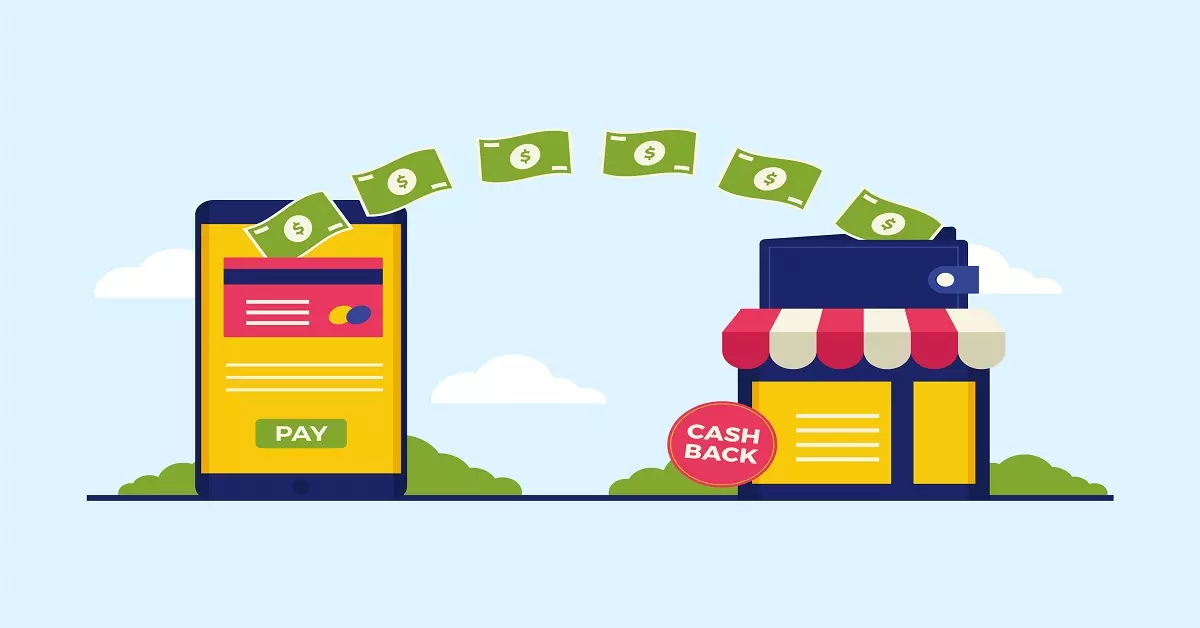
How to Develop a Multi-Currency eWallet App for Global Users in 2026
In 2026, the global digital payment landscape is evolving rapidly, and multi-currency eWallet apps are becoming an essential tool for users worldwide. Whether it's for personal transactions, business purposes, or cross-border payments, multi-currency functionality allows users to manage multiple currencies seamlessly in one app.
If you're a developer or entrepreneur planning to build a multi-currency eWallet for global users, this guide will help you understand the key components, features, and technologies you need to implement in your app.
1. Understand the Need for Multi-Currency eWallets in 2026
As digital wallets continue to gain popularity, users across the globe want to manage different currencies within a single platform. A multi-currency eWallet offers significant benefits to users, including:
- Global Reach: Users can store and manage multiple currencies in a single app, allowing for smooth cross-border payments.
- Convenience: Whether traveling internationally, making online purchases, or sending money abroad, a multi-currency eWallet removes the need for multiple apps or currency exchanges.
- Cost Savings: Multi-currency eWallets help users avoid excessive conversion fees and better manage exchange rates.
In 2026, with the rise of fintech innovations, cryptocurrencies, and digital-first banking, there is an increasing demand for apps that facilitate seamless global payments and currency management. Thus, building a multi-currency eWallet is an excellent opportunity for developers.
2. Define Key Features for Your Multi-Currency eWallet
When designing a multi-currency eWallet app development solution, you need to incorporate features that cater to global
users while ensuring a user-friendly experience. Here are the key features your app should have:
a. Currency Conversion and Exchange Rate Monitoring
A core feature of any multi-currency eWallet is the ability to convert between different currencies. This means you need real-time exchange rate integration. Users should be able to:
- Convert funds from one currency to another with ease.
- Monitor live exchange rates and get notifications when rates fluctuate significantly.
- Have access to competitive rates and avoid high conversion fees.
To achieve this, integrate APIs from reliable financial data providers like Open Exchange Rates, Currency Layer, or XE for accurate and real-time exchange rate data.
b. Multi-Currency Support
The eWallet app should support a broad range of currencies, both traditional and digital. These include:
- Fiat currencies: USD, EUR, GBP, JPY, and others.
- Cryptocurrencies: Bitcoin, Ethereum, and stablecoins like USDT.
Ensure the app can handle multiple currencies in the wallet, track balances in real-time, and allow users to store and transfer different types of funds.
c. Cross-Border Payments and Peer-to-Peer Transactions
The ability to send and receive payments internationally is a major selling point for a multi-currency eWallet. Features to include:
- Instant, low-cost cross-border transactions.
- Integration with global payment networks like Visa, Mastercard, and localized payment methods (e.g., Alipay, Paytm).
- Support for peer-to-peer (P2P) payments, where users can send money to other wallet users across borders at little to no cost.
d. Transaction History and Analytics
Provide users with the ability to track their transaction history in real-time. Include detailed spending analytics, receipts, and the ability to filter by currency or transaction type. This will help users better manage their funds and monitor international payments.
e. Security and Privacy
As your app will handle sensitive financial information, robust security is a top priority. Key security features should include:
- Two-Factor Authentication (2FA): Add an extra layer of security during login and for transactions.
- End-to-End Encryption: Ensure that all data is securely encrypted to protect user information.
- Fraud Prevention: Use AI-driven fraud detection systems to prevent unauthorized access and suspicious activity.
- Compliance with Global Regulations: Adhere to data protection laws like GDPR (for European users) and KYC (Know Your Customer) standards.
f. Multi-Language and Multi-Currency Interface
To cater to users from different regions, provide a multi-language interface and the ability to switch between different currency denominations. This makes the app more accessible and user-friendly, especially in diverse international markets.
3. Choose the Right Tech Stack
The success of your multi-currency eWallet app will largely depend on the tech stack you choose. Here's a breakdown of the technologies and tools you should consider for building a robust, scalable, and secure eWallet in 2026:
Read: Top Mobile App Development Tools to Make Your Work
a. Frontend Development
- React Native or Flutter: These cross-platform frameworks allow you to build a mobile app for both iOS and Android using a single codebase. They are cost-effective and efficient for scaling as your user base grows.
- Swift (for iOS) and Kotlin (for Android): If you prefer native app development, these languages are highly optimized for mobile devices and provide excellent performance.
b. Backend Development
For handling complex functionalities such as transaction management, currency conversions, and integration with payment gateways, you need a robust backend.
- Node.js or Django (Python): These backend technologies are ideal for handling real-time transactions and heavy loads.
- GoLang: This programming language is known for its performance and scalability, making it perfect for high-volume financial apps.
c. Payment Gateway Integration
To enable transactions, you’ll need to integrate reliable payment gateways:
- Stripe, Razorpay, or PayPal for handling multi-currency payments, both digital and fiat.
- Blockchain integration: If you’re supporting cryptocurrency, you can integrate Ethereum, Bitcoin, or stablecoins for smooth transactions.
- Cross-border Payment Networks: Consider integrating with global systems like Visa, Mastercard, and SWIFT for international payments.
d. Cloud Infrastructure
For scalable storage, real-time data processing, and security, use cloud services:
- AWS (Amazon Web Services) or Google Cloud Platform (GCP): These platforms offer auto-scaling capabilities, robust security, and data storage for global applications.
- Firebase or MongoDB Atlas: These are good choices for real-time databases and user authentication services.
e. APIs for Exchange Rates and Currency Conversion
As mentioned earlier, integrate reliable APIs for real-time exchange rate data:
- Open Exchange Rates, Currency Layer, or XE for real-time currency conversion data.
- Cryptocurrency API: Use services like CoinGecko or CoinMarketCap to track digital currencies.
4. Regulatory Compliance and Legal Considerations
In 2026, regulatory compliance is a crucial factor for building a multi-currency eWallet. Ensure that your app follows financial regulations in different regions. These include:
- KYC (Know Your Customer): Verify the identity of your users to prevent fraud and comply with anti-money laundering (AML) regulations.
- GDPR Compliance: For users in Europe, your app must comply with GDPR for data protection and privacy.
- Payment Licensing: Depending on the region, you may need to obtain licenses to handle payment processing, money transfers, or cryptocurrency exchanges.
5. Testing and Optimization
Testing your multi-currency eWallet app is vital to ensure that it works smoothly across various devices, regions, and currency types. Perform load testing, security testing, and user acceptance testing (UAT) to identify and fix bugs.
Optimize the app’s performance to handle peak transactions, especially during high-volume events like holidays or special promotions.
6. Launch and Market Your App
Once your app is ready, it's time to launch. Here are some key marketing strategies:
- App Store Optimization (ASO): Ensure your app ranks highly in app stores for keywords like "multi-currency wallet" or "global payments."
- Influencer Partnerships: Collaborate with financial influencers to promote your app.
- Referral Programs: Offer rewards or cashback incentives for users who invite others to download the app.
Conclusion
Developing a multi-currency build an eWallet app like monese for global users in 2026 is a promising venture, with the potential to offer immense value to users who want a seamless, secure, and convenient way to manage different currencies in a digital format. By focusing on core features like real-time exchange rates, cross-border transactions, strong security, and compliance with regulations, you can create a robust app that stands out in the competitive fintech landscape.
With the right tech stack, scalable infrastructure, and user-focused design, your multi-currency eWallet will be ready to meet the needs of a diverse, international user base in 2026 and beyond.