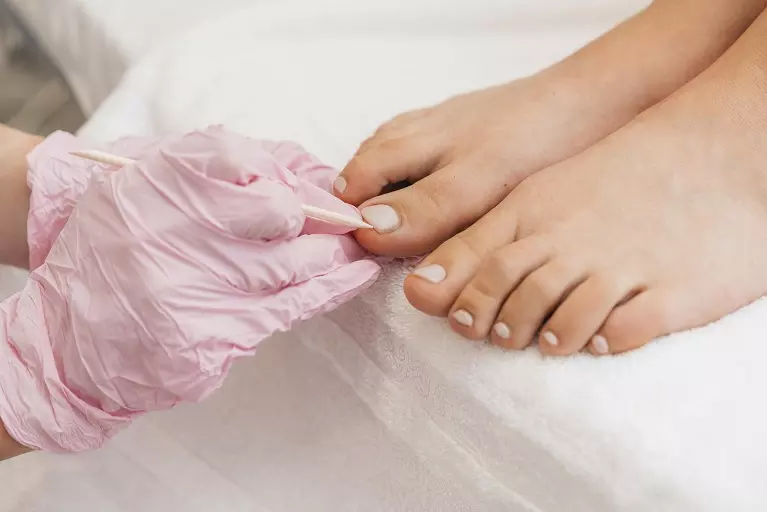
How to Deal with Ingrown Toenail Pain Before Surgery in Riyadh
Ingrown toenails cause discomfort that can range from mild irritation to intense pain. This happens when the edge of the toenail grows into the surrounding skin, causing inflammation and sometimes infection. Recognizing the early signs — redness, swelling, and tenderness around the nail — is crucial to managing pain effectively.
Why Managing Pain Is Important Before Surgery
Managing discomfort before treatment helps maintain your daily routine and prevents the condition from worsening. When conservative methods fail, patients often consider Ingrown toenail surgery in Riyadh(جراحة الظفر الناشب في الرياض). However, knowing how to reduce the pain and inflammation beforehand can improve surgery outcomes and recovery experience.
Effective Home Remedies to Alleviate Pain
Warm Soaks
Soaking your foot in warm, soapy water for 15-20 minutes multiple times a day reduces swelling and softens the skin around the nail. This process can ease pressure and provide temporary pain relief.
Proper Footwear
Wearing comfortable shoes with ample toe space prevents additional pressure on the inflamed area, reducing irritation and allowing the foot to heal.
Over-the-Counter Pain Relief
Nonsteroidal anti-inflammatory drugs (NSAIDs) can help minimize pain and swelling. Always follow the recommended dosage and consult a healthcare provider if you have underlying conditions.
When to Seek Medical Attention
If the pain intensifies, redness spreads, or you notice pus or other signs of infection, professional care is necessary. Delaying treatment can lead to complications and may require more extensive intervention.
Preparing for Surgical Intervention
Understanding that surgery is a definitive solution for persistent or severe ingrown toenails is important. Before the procedure, maintaining hygiene, avoiding tight footwear, and following the pre-surgery instructions provided by your healthcare professional can optimize healing.
Postponing Surgery Responsibly
While managing pain, continuing with home care routines is key. Avoid self-cutting or digging at the toenail to prevent further damage. Remember, surgery is typically the last resort after other methods have proven ineffective.
Seeking Expert Guidance in Riyadh
Riyadh offers access to experienced foot care specialists who provide comprehensive care. Consulting them helps tailor treatment plans suited to your condition, including when and how to proceed with surgery if needed.
Maintaining Foot Health After Surgery
Once you undergo Ingrown toenail surgery in Riyadh, it's vital to follow aftercare instructions to prevent recurrence. This includes proper nail trimming techniques, wearing suitable footwear, and promptly addressing any discomfort.
Summary
Effectively dealing with ingrown toenail pain before surgery involves a combination of home remedies, medical advice, and preparation for possible surgical treatment. By understanding your condition and taking proactive steps, you can minimize pain and improve your overall foot health.
Frequently Asked Questions
How long can I manage ingrown toenail pain at home before considering surgery?
You can try home remedies for up to a few weeks, but if pain or infection worsens, consult a healthcare professional promptly.
Is pain relief medication safe while waiting for ingrown toenail surgery?
Yes, over-the-counter pain relievers are generally safe but follow dosage guidelines and consult your doctor for personalized advice.
Can improper nail trimming cause ingrown toenails?
Yes, trimming nails too short or rounding the edges can increase the risk of ingrown toenails.
Will Ingrown toenail surgery in Riyadh guarantee no recurrence?
Surgery significantly reduces recurrence risk, especially with proper aftercare and foot hygiene.
Are warm foot soaks effective for severe ingrown toenail pain?
They help reduce mild to moderate pain and inflammation but might not suffice for severe cases.
When should I stop trying home treatments and seek surgery?
Seek surgical consultation if pain escalates, infection develops, or if home remedies provide no relief over several weeks.