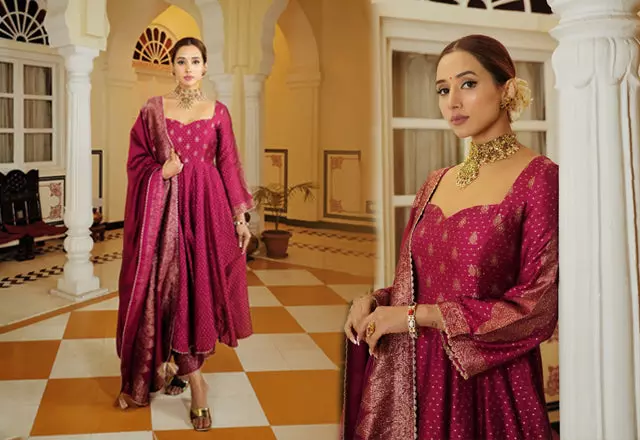
How to Create Timeless Looks with Ethnic Wear
Ethnic wear carries a profound sense of heritage that connects us to our roots in ways few other garments can. We often feel a rush of nostalgia when draping a simple cotton saree or slipping into a embroidered kurta imagining the stories woven into every thread.
This article delves into the art of assembling outfits that not only honor cultural legacies but also stand the test of time allowing personal expression through age-old aesthetics. By focusing on elements like fabric quality silhouette harmony and thoughtful pairings we can craft ensembles that evoke both pride and sophistication.
The Enduring Charm of Ethnic Wear in Modern Wardrobes
Ethnic wear transcends fleeting trends offering a canvas for self-expression rooted in tradition. We see how garments such as the flowing anarkali or the structured salwar kameez adapt to contemporary lifestyles while preserving their essence. This versatility stems from their design which allows for layering and customization.
Consider the emotional pull of attending a family wedding in a heirloom dupatta passed down generations; it binds us to loved ones fostering a deep sense of belonging. To build timeless looks start with pieces that resonate personally perhaps a block-printed kurta that reminds of childhood festivals.
Tracing the Historical Threads of Ethnic Attire
The history of ethnic wear is rich tapestry spanning centuries across diverse cultures. In India for instance the saree has evolved from ancient drapes mentioned in Vedic texts to the elegant six-yard wonder worn today. We trace its journey through Mughal influences that introduced intricate zari work and British colonial eras that blended European cuts with indigenous fabrics.
This evolution teaches us that timelessness arises from adaptability; a saree pinned in a modern dhoti style feels fresh yet anchored in history. Similarly lehenga cholis from Rajasthani origins now grace global runways their flared skirts swirling with the same grace as in royal courts of yore.
Cultural Nuances That Infuse Depth
Cultural contexts add layers of meaning to ethnic wear making each choice a statement of identity. We empathize with the quiet joy a Punjabi woman feels in her phulkari dupatta the floral embroidery symbolizing prosperity and protection. In Bengali traditions the tant saree with its crisp cotton weave speaks of simplicity and resilience evoking memories of monsoon rituals.
Understanding these nuances helps us select pieces that honor the wearer's background; for example pairing a Gujarati bandhani skirt with a subtle blouse creates harmony that feels authentic. Such selections not only look timeless but also stir emotions tied to communal celebrations and personal milestones.
Mastering Fabric Choices for Lasting Elegance
Fabrics form the foundation of any timeless ethnic ensemble their texture and drape dictating the overall silhouette. We recommend starting with natural fibers like silk chiffon or georgette which age gracefully without losing vibrancy. Cotton remains a staple for everyday wear its breathability ensuring comfort during long wear periods.
Linen adds a rustic charm ideal for summer soirees where subtle wrinkles contribute to an effortless vibe. When choosing pay attention to weave quality; handloom varieties often carry unique imperfections that enhance character over synthetic alternatives that fade quickly.
Among the lighter options organza suits stand out for their ethereal quality. These garments with their sheer layered fabric catch the light in ways that add a subtle shimmer perfect for evening gatherings. We have seen how an organza suit in pastel tones pairs seamlessly with minimal jewelry creating a look thats both delicate and commanding.
The fabric's crispness allows for voluminous pleats that hold shape throughout the day evoking a sense of floating grace. Yet its lightness demands careful handling to avoid snags making it a choice for those who appreciate the balance between drama and ease.
Balancing Colors and Patterns for Harmony
Color palettes in ethnic wear draw from natural inspirations ensuring longevity in appeal. Earth tones like terracotta and olive green offer versatility blending with accessories across seasons. For bolder statements jewel hues such as emerald or sapphire provide depth that doesnt overwhelm.
Patterns too play a crucial role; paisley motifs carry a timeless allure rooted in Persian designs while geometric prints from tribal arts add modern edge. We advise mixing subtle patterns with solid pieces to avoid visual clutter for instance a printed anarkali with plain palazzo pants. This approach maintains equilibrium allowing the outfit to transition from day to night without effort.
Accessorizing Ethnic Wear to Amplify Timelessness
Accessories serve as the finishing touches that elevate an ethnic look from good to unforgettable. We believe in the power of statement pieces like oxidized jhumkas or temple jewelry that echo the garments motifs. A simple mang tika can transform a basic kurta into a bridal-worthy ensemble drawing eyes to the face with cultural poise.
Footwear choices matter too; kolhapuri chappals ground a flowing lehenga while mojris add formality to sherwanis. Remember less is often more; overcrowding with baubles dilutes the elegance so select items that complement rather than compete.
Incorporating Footwear and Hairstyles Seamlessly
Footwear and hairstyles complete the ethnic silhouette ensuring cohesion. We suggest mojaris or juttis for men in earthy leathers that age beautifully developing patina over time. For women block heels or embroidered flats provide stability without sacrificing style.
Hairstyles draw from tradition yet allow personalization; a gajra-adorned bun for sarees evokes classical beauty while loose waves suit casual kurtas. These elements foster a holistic look where every part contributes to the timeless narrative feeling both rooted and liberated.
Blending Contemporary Twists with Traditional Forms
Fusion offers exciting ways to refresh ethnic wear keeping it relevant for todays wardrobes. We explore how asymmetric hemlines on kurtas introduce asymmetry that feels innovative without straying far from roots. Denim jackets over salwar suits create casual vibes suitable for urban outings while cape overlays add drama to lehengas.
This blending respects heritage by retaining core elements like embroidery or prints ensuring the outfit remains authentically ethnic. The key lies in proportion; modern additions should enhance not overshadow the traditional base.
To deepen our understanding of fusion techniques consider resources from global fashion archives such as the Metropolitan Museum's exhibit on Indian textiles which showcases how historical pieces inspire contemporary designs. Similarly exploring Vogue's insights on sustainable ethnic fashion reveals practical ways to incorporate eco-friendly twists into timeless looks.
Sustainable Practices in Ethnic Styling
Sustainability enhances the timeless quality of ethnic wear by promoting longevity. We advocate for upcycling old sarees into skirts or dupattas preserving fabric while reducing waste. Natural dyes from sources like indigo or madder root offer colors that mellow beautifully over washes.
Choosing artisans supports communities fostering emotional ties to the creation process. This mindful approach not only looks good but feels right connecting us to a larger narrative of preservation and respect for craft.
Maintaining Your Ethnic Wardrobe for Generations
Care routines ensure ethnic garments endure preserving their beauty for future wears. We stress gentle dry cleaning for silks to avoid chemical damage and airing out cottons in shaded areas to prevent fading. Storage in muslin bags with naphthalene balls wards off moths without harsh odors.
For intricate embroideries spot cleaning suffices handling stains promptly with mild solutions. These habits extend life allowing pieces to become heirlooms passed with stories attached evoking warmth in family traditions.
Seasonal Adaptations and Storage Tips
Adapting to seasons keeps ethnic wear practical year-round. Layer woolen shawls over summer suits in winters or opt for linen blends in heats. Storage varies by fabric; silks prefer cedar chests while cottons thrive in ventilated closets. We find that labeling items with wear dates helps rotate usage preventing neglect. Such diligence maintains vibrancy ensuring every outing revives the joy of cultural connection.
In wrapping up our exploration of timeless ethnic looks we recognize the profound satisfaction in curating wardrobes that tell personal tales. Through careful selection and nurturing these garments become more than attire; they embody memories emotions and legacies. We invite you to experiment with these insights crafting ensembles that reflect your unique journey while honoring timeless traditions.