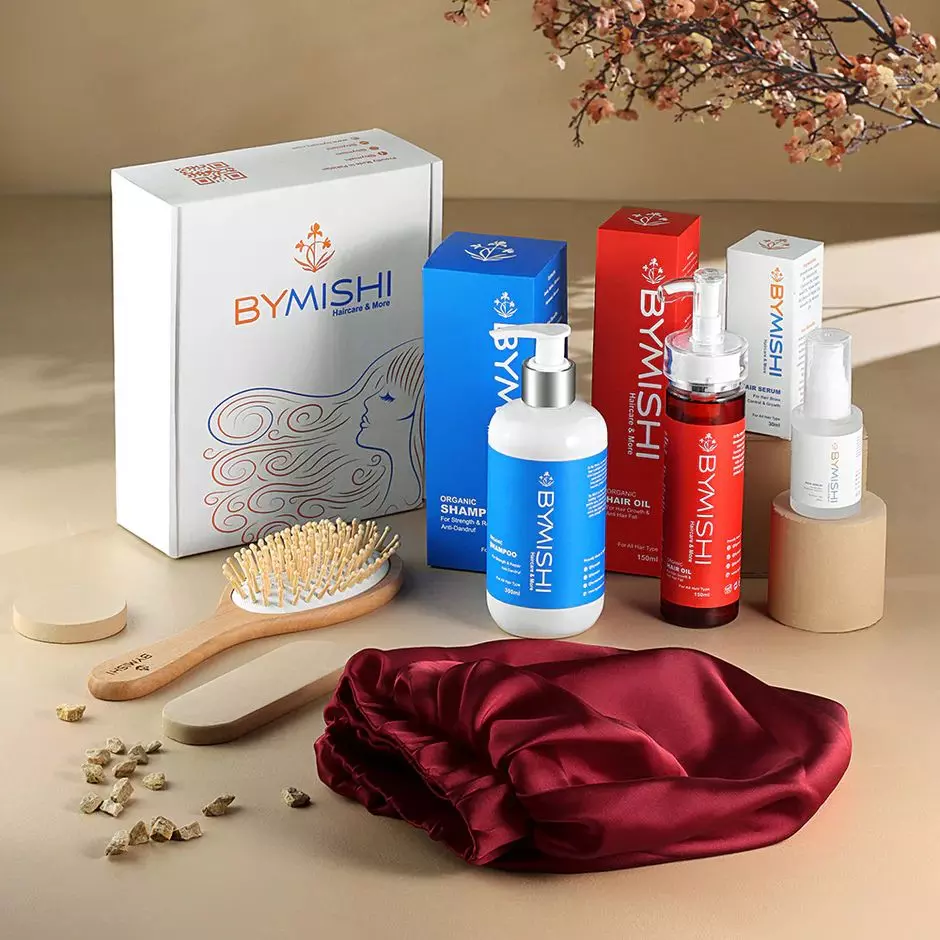
How to Choose the Right Hair Care Products for Your Hair Type
Finding the perfect shampoo and conditioner can feel like searching for a needle in a haystack. You walk down the store aisle and see hundreds of bottles promising miracles. Your friend swears by one product while another person tells you it ruined their hair. The truth is that what works beautifully for someone else might not work for you at all. Your hair is unique, and understanding what it needs makes all the difference.
Understanding Your Hair Type First
Before you spend money on another product that ends up sitting unused in your bathroom, take a moment to really look at your hair. Is it thin and fine, or thick and coarse? Does it get oily by the end of the day, or does it feel dry and brittle? Understanding these basic characteristics helps you narrow down which hair care products will actually benefit you.
Fine hair tends to get weighed down easily. If you have fine hair, you probably notice it looks flat by midday, especially if you use heavy products. Thick hair, on the other hand, often needs more moisture and stronger formulas to penetrate each strand. Coarse hair has a wider diameter and usually requires extra hydration to stay smooth and manageable.
The Oily Hair Struggle
If your hair gets greasy quickly, you know the frustration of washing it every single day. People with oily hair often make the mistake of using harsh products that strip away too much oil. This actually makes the problem worse because your scalp responds by producing even more oil to compensate.
Look for lightweight formulas that cleanse without being overly aggressive. Clarifying shampoos work well once a week, but using them daily can backfire. The right hair care products for oily hair should balance your scalp without triggering that overproduction cycle. Skip heavy conditioners on your roots and focus them on your ends instead.
Dealing with Dry and Damaged Hair
Dry hair feels rough to the touch and often looks dull. It might break easily or develop split ends frequently. If this sounds familiar, your hair is crying out for moisture. Heat styling, chemical treatments, and even sun exposure can leave your hair desperate for hydration.
When choosing hair care products for dry hair, ingredients matter more than fancy packaging. Look for moisturizing elements like natural oils, shea butter, and proteins. Deep conditioning treatments once or twice a week can make a dramatic difference. Your regular conditioner should be rich and creamy, not lightweight and volumizing.
People with damaged hair need to be especially gentle. Avoid products with harsh sulfates that strip away what little moisture your hair has left. Sometimes the best thing you can do is give your hair a break from heat tools and chemical treatments while you repair the damage.
Curly Hair Needs Special Attention
Curly hair operates by its own rules. The natural oils from your scalp have a harder time traveling down spiral strands, which means curly hair tends to be drier than straight hair. Many people with curls make the mistake of using products designed for straight hair and wonder why their curls look frizzy and undefined.
The right hair care products for curly hair focus on moisture and definition. Sulfate-free shampoos prevent stripping away essential oils. Leave-in conditioners and curl creams help define your natural pattern while keeping frizz under control. Many people with curls find success with the co-washing method, using conditioner to cleanse between regular shampoo sessions.
Color-Treated Hair Requires Protection
If you color your hair, you need products specifically designed to protect that investment. Regular shampoos can fade your color quickly, leaving you with dull, brassy tones. Hair care products made for color-treated hair typically have gentler formulas that cleanse without stripping the color molecules from your strands.
These products often contain UV filters to protect against sun damage and ingredients that seal the hair cuticle to lock in color. Using the wrong products on colored hair means more frequent salon visits and extra money spent maintaining your shade.
Scalp Health Matters Too
Many people focus only on their hair strands and forget about their scalp. Your scalp is skin, and just like the skin on your face, it needs care. A healthy scalp grows healthy hair. If you deal with dandruff, itching, or sensitivity, look for soothing ingredients in your hair care products.
Tea tree oil, salicylic acid, and zinc can help with flaking and buildup. If your scalp tends to be sensitive, fragrance-free options reduce the chance of irritation. Sometimes what you think is a hair problem is actually a scalp problem in disguise.
Reading Labels Like a Pro
The ingredient list tells you more than any marketing claim on the front of the bottle. Ingredients are listed in order of concentration, so the first few items make up most of the formula. If water is first and the beneficial ingredient you wanted is near the end, you know you are mostly getting water.
Sulfates clean effectively but can be harsh, especially for dry or color-treated hair. Silicones make hair feel smooth instantly but can build up over time. Parabens preserve products but some people prefer to avoid them. Understanding these common ingredients helps you make informed choices about which hair care products suit your needs.
The Trial and Error Process
Even with all the knowledge in the world, finding your perfect products often involves some experimentation. What works in winter might not work in summer when humidity changes everything. What worked in your twenties might not work in your forties as your hair texture changes.
Buy smaller sizes when trying something new. Give a product at least two weeks before deciding if it works because your hair needs time to adjust. Keep notes on what you like and dislike about different products. This helps you identify patterns and understand what your hair truly needs.
When to Seek Professional Help
Sometimes you need expert guidance. A good hairstylist can assess your hair type, texture, and condition better than you can in your bathroom mirror. They see hair all day long and know which products work well for people with hair like yours.
Professional recommendations are especially valuable if you have multiple hair concerns like oily roots with dry ends, or if you have recently made a major change like going from dark to blonde.
To Read More Blogs: Rosemary Hair Growth Oil for Thicker and Stronger Hair
Making Your Choice
Choosing the right hair care products comes down to honest assessment of your hair type and needs, careful attention to ingredients, and patience during the trial process. The most expensive product is not always the best, and sometimes simple formulas work better than complicated ones.
Trust your own experience over marketing hype. If something makes your hair look and feel healthy, stick with it. Your hair will tell you what it needs if you pay attention. The perfect products for you are the ones that make your hair healthy, manageable, and beautiful in a way that feels easy and sustainable for your daily routine.