How to Choose the Best Portable Wheelchair Ramp for Home, Travel, and Everyday Mobility
When moving along the road, from workplace to home or vice versa, one of the most important things people shouldn’t worry about is their mobility. Every place around us should be designed in a manner that makes it possible for everyone.
For wheelchair users, a well-designed ramp can make everyday movement safer and more convenient.
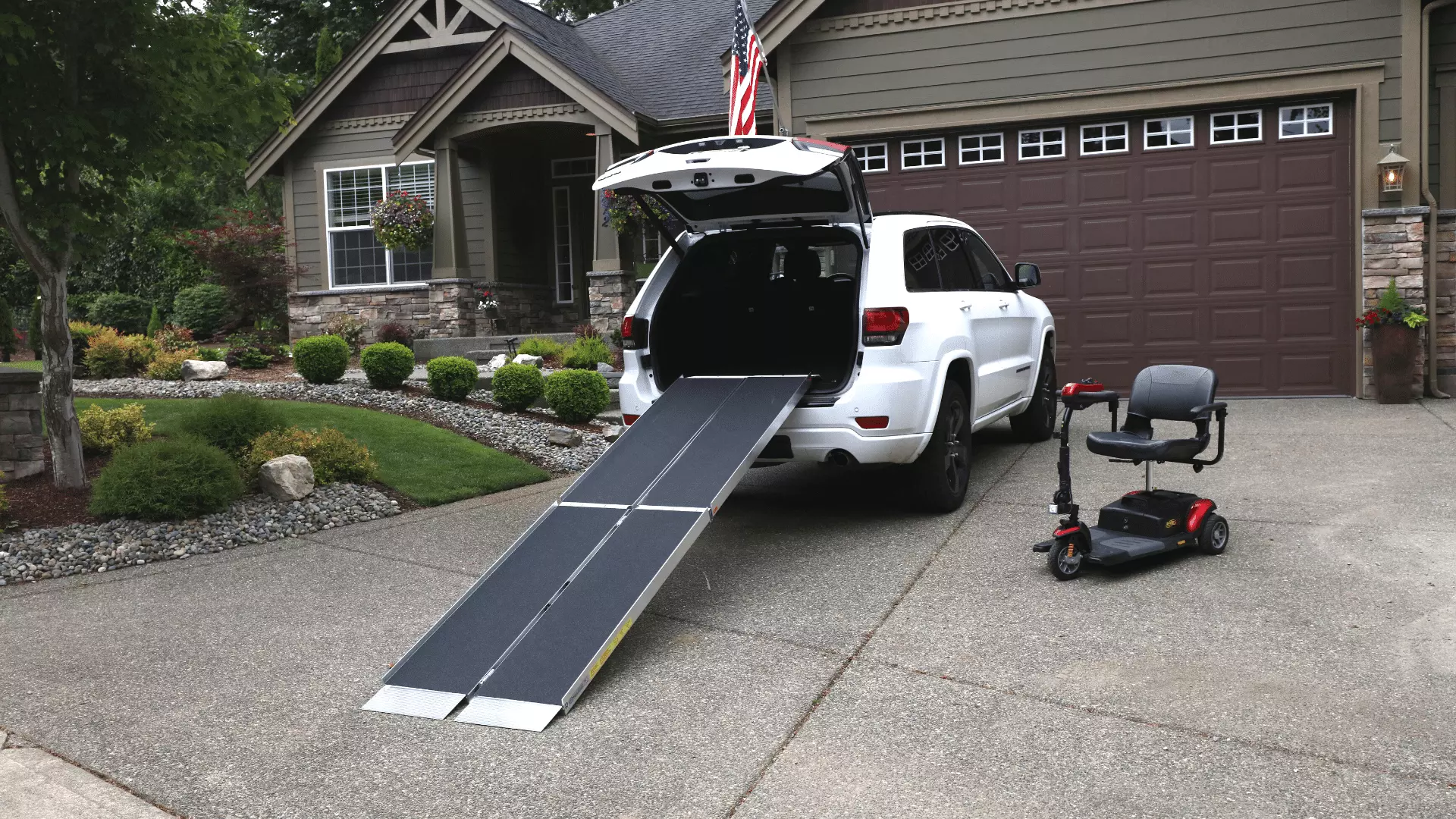
Portable Wheelchair Ramps are especially useful because they can be moved and used in different locations, including homes, vehicles, shops, and outdoor spaces.
However, choosing the right ramp requires more than simply selecting one that fits a doorway. Weight capacity, ramp length, portability, surface design, and the type of mobility equipment all matter.
Understanding these factors can help you choose a ramp that provides reliable access wherever you need it.
Consider Where the Ramp Will Be Used
One of the very first things to consider is where these ramps will be used. A ramp for a home's front entrance may have different requirements from one used for travel.
At home, you may need a portable ramp for a small step, a porch, a doorway, or a garage entrance. For travel, you may want a lightweight option that can be folded, carried, and stored easily in a vehicle.
If the ramp will be used in several locations, choose a versatile design that is easy to transport and set up. Portable ramps can be helpful for everyday mobility because they provide an access solution without requiring a permanent installation.
Choose the Right Ramp Length
Ramp length is one of the most important factors to consider. A ramp that is too short may create a steep incline, making it difficult or unsafe to use.
Measure the height of the step, threshold, or raised surface before buying a ramp. Then consider the recommended slope for the wheelchair or mobility device being used. A longer ramp generally creates a gentler incline, which can make entering and exiting easier.
It is also important to account for the available space. A longer ramp may provide a more gradual slope, but you need enough room to position it correctly.
Check the Weight Capacity
Every wheelchair ramp has a maximum weight capacity. This capacity should exceed the combined weight of the wheelchair, scooter, and user.
Do not choose a ramp based only on the user's weight. For example, if a wheelchair weighs 40 pounds and the user weighs 180 pounds, the ramp must support at least 220 pounds.
Choosing a ramp with additional capacity can provide an extra margin of safety and dependability.
Always check the manufacturer's specifications before using a portable ramp.
Read: The Art of Stress-Free Relocation: Master Your Next Big Move
Look for a Stable and Slip-Resistant Surface
A good ramp should provide dependable traction. This becomes particularly important when the ramp is used outdoors or in damp weather.
Look for a surface designed to reduce slipping and provide a secure path for wheelchair tires.
The ramp should also remain stable when properly positioned. Features such as raised edges can help keep wheels on the ramp and provide additional confidence during use.
For busy households, a durable ramp surface can also help the product withstand frequent use.
Think About Portability and Storage
One of the biggest benefits of Portable Wheelchair Ramps is their portability. If you plan to take the ramp on trips, consider its weight, folding or sectional design, carrying handles, and storage requirements.
A compact ramp can be easier to keep in a car or store at home when it is not needed. If several family members will handle the ramp, choose a design that is practical for them to carry and set up.
Portability should not come at the expense of strength and stability. The best option balances convenient transportation with reliable performance.
Match the Ramp to Your Mobility Equipment
Wheelchairs and mobility scooters can have different dimensions, weights, and turning requirements. Before purchasing a ramp, check the width of your wheelchair or scooter and compare it with the ramp's usable width.
Also consider how the equipment will travel across the ramp. Manual wheelchair users may need a different setup from powered wheelchair or scooter users. A caregiver who pushes the wheelchair should also have enough space and control while using the ramp.
Choosing a ramp based on your specific equipment can make everyday use more comfortable.
Consider Different Types of Portable Ramps
Portable ramps are available in several designs. Folding ramps are convenient for transportation and storage, while threshold ramps are useful for small rises around doors. Track-style ramps can work well for certain mobility equipment and loading situations.
For people who need a lightweight solution for frequent travel, an easy-to-carry design may be ideal. Those who need a ramp for larger steps or longer distances may require a longer and more robust option.
For example, an Edgeless Portable Loading Ramp can be considered when portability and practical access are important.
Make Safety the Top Priority
Before using a portable ramp, make sure it is placed on a stable, level surface and properly secured according to the manufacturer's instructions.
Check that the ramp is wide enough for the equipment and that there is sufficient space at the top and bottom.
Inspect the ramp regularly for signs of wear, damage, or loose components. Keeping the surface clean can also help maintain traction.
Choose a Ramp That Fits Your Lifestyle
The best portable ramp is not necessarily the longest, lightest, or most expensive option. It is the one that matches your mobility equipment, location, weight requirements, available space, and daily routine.
By considering ramp length, weight capacity, traction, portability, and stability, you can make a more informed decision.
Portable Wheelchair Ramps can provide a practical way to improve access at home, during travel, and throughout everyday life when the right ramp is selected and used correctly.