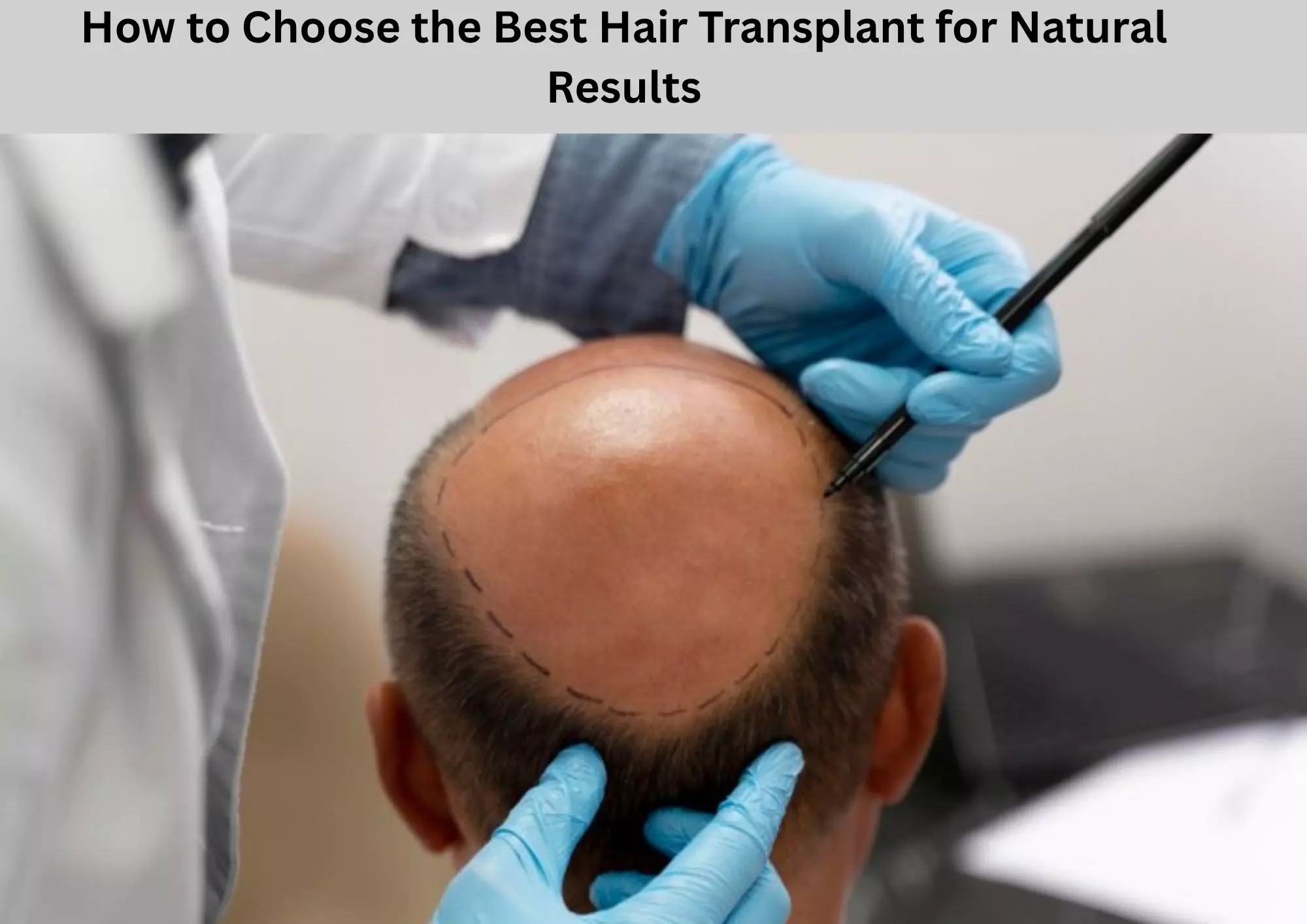
How to Choose the Best Hair Transplant for Natural Results
When it comes to restoring hair loss, making the right decision is crucial for achieving long-lasting, natural-looking results. With advances in medical technology and a rise in hair transplant techniques, many individuals are searching for the best hair transplant in USA to regain confidence and transform their appearance. In the first step of this journey, understanding your options and what makes a procedure stand out is essential to ensure success.
This article will guide you through how to choose the most effective hair transplant solution tailored to your needs—without hype, without pressure—just real, helpful information that aligns with the standards of excellence practiced in top clinics across the country.
Understanding Hair Transplantation: The Basics
Before choosing the right hair transplant for natural results, it's vital to grasp how hair restoration works. Hair transplant procedures involve relocating healthy hair follicles from one part of the scalp (donor area) to areas experiencing thinning or baldness (recipient area). These transplanted follicles then grow naturally, just like the rest of your hair.
There are two primary types of hair transplant procedures:
- FUT (Follicular Unit Transplantation): This technique involves removing a thin strip of scalp from the donor area, dividing it into individual follicular units, and implanting them where needed.
- FUE (Follicular Unit Extraction): This method extracts individual follicular units directly from the patron area and places them in the balding regions.
Both techniques can deliver excellent results, but the right choice depends on individual goals, hair type, scalp condition, and aesthetic expectations.
Key Factors to Consider When Choosing the Best Hair Transplant
1. Experience and Expertise of the Surgeon
One of the most critical factors in achieving natural results is the skill and experience of the doctor performing the transplant. A highly trained and experienced surgeon understands hair growth patterns, facial symmetry, and density planning, which is essential for a seamless, undetectable outcome.
Make sure your provider is certified in hair restoration procedures and has a proven track record of successful, natural-looking transplants. Look for someone who specializes in advanced surgical methods and stays up to date with the latest technology and procedures.
2. Type of Hair Transplant Procedure Offered
Not every method works for everyone. While smart FUE is minimally invasive and suitable for those who prefer a shorter recovery,smart FUT may be more efficient for patients who require a higher number of grafts in a single session.
To choose the best option:
- Assess your hair loss level: For mild hair loss, smart FUE might be enough. For extensive hair loss, smart FUT may provide more comprehensive coverage.
- Scalp flexibility and donor hair quality: These factors affect which technique will deliver the most natural results.
Customized treatment plans are essential. Clinics that offer a one-size-fits-all solution may not deliver optimal outcomes.
Advanced Techniques That Enhance Natural Results
Smart FUT and Smart FUE Procedures
In recent years, advanced techniques such as Smart FUT and Smart FUE have been developed to minimize scarring, shorten recovery time, and enhance the precision of follicular placement. These methods involve the use of modern tools, high-powered magnification, and expert aesthetic design to ensure every hair follicle is positioned at the correct angle, depth, and direction.
This level of detail helps achieve a natural hairline, density balance, and a look that is indistinguishable from naturally grown hair.
Designing the Hairline: The Art Behind the Science
Achieving a natural appearance is not just about moving hair—it’s about design. The hairline is one of the most critical components of a successful transplant. A poorly designed hairline can make even the most technically perfect transplant look unnatural.
A good practitioner will:
- Create an irregular, feathered hairline that mimics natural growth.
- Use single-hair grafts at the front for a soft appearance.
- Follow your existing facial features and bone structure.
A natural result should blend seamlessly with your existing hair, grow at the same pace, and remain consistent over time.
Donor Hair Management: Preserving the Future
The donor area—typically the back or sides of the scalp—has a limited supply of healthy follicles. Proper management of this area ensures there’s enough donor hair for any future procedures if needed.
Experienced surgeons know how to extract follicles without overharvesting, which can cause thinning in the donor area. Additionally, they may assess whether body hair (like from the beard or chest) can supplement the scalp donor area for some patients.
Evaluating Results: What to Look For
Before committing, ask to see high-resolution before-and-after photos of past patients with similar hair types or loss patterns. Make sure to examine:
- Hairline design and density
- Coverage area
- Direction and angle of growth
- Scarring visibility (if any)
Photos can be misleading if not taken under consistent lighting or angles, so asking for in-person patient references or video documentation can also help.
Realistic Expectations: Understanding the Outcome Timeline
Hair transplant results do not appear overnight. After the procedure:
- Transplanted hair may shed within the first few weeks.
- New growth typically starts around 3-4 months.
- Full results are visible between 9-12 months.
Choosing the best hair transplant in USA means trusting the process and being patient. A trustworthy clinic will prepare you for this timeline and provide aftercare support throughout.
Post-Procedure Care for Natural Results
After the transplant, following a tailored recovery plan is essential to achieve the best results. Typical aftercare instructions include:
- Keeping the scalp clean and avoiding extreme moisture.
- Sleeping with your head elevated for a few days to reduce swelling.
- Refraining from strenuous activity or sun exposure for 1-2 weeks.
- Avoiding scratching or gathering at the treated area.
Proper post-op care can improve healing and reduce the risk of complications such as disease or graft failure.
Avoiding Common Mistakes When Choosing a Hair Transplant
To make the right choice, avoid these common pitfalls:
- Chasing low prices: Bargain pricing often means compromises in experience or technique.
- Ignoring credentials: Always check certifications and training.
- Relying on marketing hype: Results speak louder than ads.
- Skipping consultation: Personalized consultations provide clarity on your suitability and options.
- Not considering long-term planning: A good surgeon will assess future hair loss and plan accordingly.
How to Prepare for Your Consultation
Preparation ensures you get the most value out of your hair transplant consultation. Here’s what to bring:
- A list of medications and medical history
- Details of your hair loss journey
- Questions about available techniques
- Expectations and goals
Be honest and open. A detailed evaluation helps the specialist design a plan that is truly right for you.
Conclusion
Choosing the best hair transplant in USA isn’t about flashy advertisements or shortcuts—it’s about knowledge, trust, and making informed decisions that lead to natural, lasting results. From evaluating your hair loss pattern to understanding advanced techniques and selecting the right practitioner, every step plays a vital role in your success.
Whether you’re dealing with receding hairlines, thinning crowns, or patchy areas, the right hair transplant can repair not only your hair but also your confidence. With the guidance provided in this article, you're now better equipped to take that next step with clarity and assurance.
Natural results begin with smart choices.