How to Choose a Reliable Lingerie Manufacturer for Wholesale Orders
Choosing a lingerie manufacturer is one of the most important steps for any business entering the wholesale market. A manufacturer is not only responsible for producing garments but also for ensuring that each product meets agreed specifications in terms of size, fabric, stitching, and finish.
When selecting a supplier for lingerie, factors like production capacity, design capabilities, and compliance with relevant standards can significantly impact your business outcomes.
For wholesale buyers, the manufacturer acts as both a production partner and a quality gatekeeper. The right partner should be able to meet order volumes without compromising consistency. A clear understanding of your product requirements — from fabric type to design complexity — will help in identifying manufacturers who can deliver according to your needs. This makes the supplier’s role central to maintaining both product appeal and business efficiency.
Evaluating a Manufacturer’s Production Capabilities
Assessing a lingerie manufacturer production capabilities involves looking at more than just the number of units they can produce per month. You need to evaluate their experience with specific lingerie categories, whether it’s bras, shapewear, sleepwear, or custom designs. Factories with prior experience in similar products are more likely to anticipate potential challenges in pattern making, stitching, and finishing.
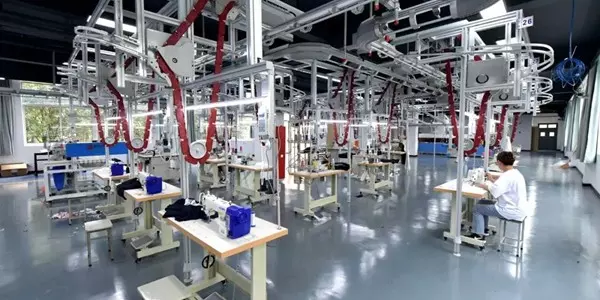
Production capabilities also extend to technology and equipment. Lingerie manufacturing often requires specialized machines for elastic attachment, lace trimming, and seamless construction. Visiting the factory or reviewing their production process through videos can provide insights into whether they have the right tools and skilled labor for your order requirements.
Checking Quality Standards and Compliance
Quality standards play a crucial role in the wholesale lingerie market. Poorly made products can lead to higher return rates and damage to your brand reputation. Look for manufacturers who have documented quality control procedures and use industry-standard testing methods for fabrics, elasticity, and colorfastness. A consistent quality assurance process ensures that each bulk order meets your agreed specifications.
Compliance is equally important, especially for businesses selling in regulated markets. Depending on the target region, lingerie may need to meet textile labeling laws, azo dye restrictions, or other safety regulations. Reliable factories will often have certifications such as ISO 9001 for quality management, and they should be able to provide proof of compliance upon request.
Assessing Minimum Order Quantities (MOQ)
Minimum order quantities, or MOQs, determine the smallest number of units a manufacturer is willing to produce in a single order. For wholesale lingerie buyers, understanding MOQs is essential for balancing inventory investment with market demand. High MOQs can tie up significant capital in unsold stock, while very low MOQs may come with higher per-unit costs.
Before committing to a supplier, discuss their MOQ policy in detail. Some manufacturers may offer flexibility for first-time orders to allow you to test product quality and market response. Others may have different MOQs for different product types, especially if certain lingerie items require more complex construction or rare materials.
Verifying Supplier Credentials
Verifying a lingerie manufacturer’s credentials helps ensure you are working with a legitimate and reliable partner. This process can include checking business licenses, reviewing factory audit reports, and confirming previous client references. Third-party verification services or trade platforms can also provide additional checks to confirm the supplier’s operational status and compliance history.
In addition to legal credentials, consider the supplier’s reputation within the industry. Manufacturers who are transparent about their client base, production facilities, and business practices are generally more trustworthy. Verifying these aspects before placing a bulk order reduces the risk of operational disruptions later on.
Sampling and Product Testing Before Bulk Orders
Sampling is an essential step before committing to wholesale lingerie production. A sample allows you to check fabric feel, stitching quality, sizing accuracy, and overall fit before placing a large order. Most reputable manufacturers will provide samples for a fee, which may be refundable if you proceed with bulk production.
Product testing should go beyond visual inspection. Consider testing elasticity after multiple washes, color retention, and comfort during wear. These tests help identify potential quality issues before they affect your bulk shipments. Working closely with the supplier during this phase also helps refine the final product specifications.
Communication and Responsiveness
Clear communication between you and the manufacturer ensures smoother production runs and fewer misunderstandings. Language barriers, time zone differences, and unclear instructions can all cause delays or errors in wholesale orders. Look for suppliers who provide a dedicated point of contact and respond promptly to questions or updates.
Responsiveness is particularly important when changes need to be made during production. A manufacturer who provides regular progress updates, shares production milestones, and informs you of any potential delays can help you manage your own timelines more effectively.
Negotiating Pricing and Payment Terms
Pricing in wholesale lingerie manufacturing depends on factors like fabric choice, order volume, complexity of design, and customization requirements. Transparent suppliers will provide a breakdown of costs, including material, labor, packaging, and any additional fees. This breakdown allows you to compare offers from multiple vendors more effectively.
Payment terms should also be discussed early. Some factories require a deposit before production and the balance upon shipment, while others may offer credit terms for established clients. Understanding these terms helps you manage cash flow and avoid unexpected expenses.
Considering Production Lead Times
Production lead times can vary widely depending on the manufacturer’s capacity, the complexity of the lingerie designs, and the sourcing of materials. A realistic lead time estimate helps you plan inventory and sales cycles without running into stock shortages.
It’s important to clarify whether the lead time includes only manufacturing or also accounts for fabric sourcing, quality checks, and packaging. Some suppliers may offer expedited production at an additional cost, but this should not come at the expense of quality.
Building Long-Term Supplier Relationships
Establishing a stable relationship with a lingerie manufacturer can benefit your business in the long run. A trusted supplier becomes familiar with your brand standards, product requirements, and preferred timelines, making future orders more efficient.
Over time, you may also gain access to better pricing, priority scheduling, or early access to new fabric options.
Long-term relationships are built on mutual trust and transparency. Regular communication, clear contracts, and prompt resolution of issues contribute to a more productive and profitable partnership.