How to Build a Winning Social Media Marketing Strategy in 2025
In today's fast-paced digital world, having a robust social media marketing strategies is more crucial than ever. With the rapid evolution of digital platforms and consumer behavior, businesses must adapt to stay relevant. This article delves into the essential steps to craft a winning social media marketing strategy in 2025, ensuring your brand stands out in the crowded digital landscape.
Understanding the Digital Marketing Landscape in 2025
The digital marketing realm has undergone significant transformations. In 2025, businesses are leveraging advanced technologies like Artificial Intelligence (AI) to enhance customer experiences. Personalized marketing has become the norm, with brands tailoring content to individual preferences. Additionally, social commerce is on the rise, allowing businesses to sell products directly through social media platforms, streamlining the customer journey.
Defining Clear Objectives
Before embarking on your social media journey, it's vital to set clear, measurable goals. Adopting the SMART framework—Specific, Measurable, Achievable, Relevant, and Time-bound—ensures that your objectives are well-defined and attainable. Whether it's increasing brand awareness, driving website traffic, or boosting sales, having a clear direction helps in crafting targeted strategies and measuring success.
Identifying and Understanding Your Target Audience
Knowing your audience is the cornerstone of any successful marketing strategy. Conduct thorough research to understand their demographics, interests, and online behaviors. Segmenting your audience allows for more personalized content delivery, increasing engagement and conversion rates. Creating detailed buyer personas can further refine your approach, ensuring your messages resonate with the right individuals.
Choosing the Right Social Media Platforms
Not all social media platforms are created equal. It's essential to select platforms that align with your business goals and where your target audience is most active. While giants like Facebook and Instagram remain popular, emerging platforms such as TikTok and Threads are gaining traction, especially among younger demographics. Assessing each platform's strengths and user base will guide your decision-making process.
Crafting Engaging and Relevant Content
Content is king, but only if it's relevant and engaging. In 2025, consumers are looking for authentic, value-driven content. Incorporate a mix of content types, including videos, blogs, and infographics, to keep your audience engaged. Storytelling is a powerful tool; sharing your brand's journey or customer success stories can build a deeper connection with your audience.
Leveraging Influencer Marketing
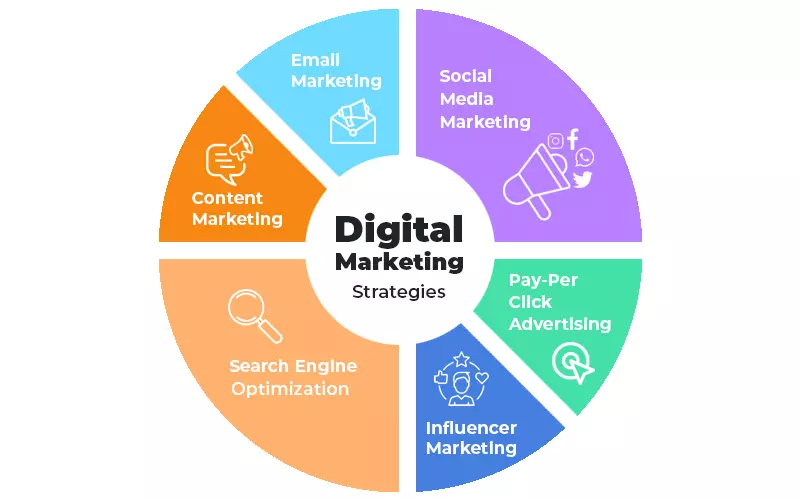
Influencer marketing continues to thrive, but the focus is shifting towards micro and nano influencers. These individuals may have smaller followings but boast higher engagement rates and trust within their communities. Collaborating with such influencers can provide a more authentic reach, enhancing brand credibility and trust.
Utilizing Paid Advertising Effectively
Paid advertising remains a potent tool in reaching a broader audience. Platforms like Facebook, Instagram, and LinkedIn offer targeted advertising options that allow businesses to reach specific demographics. It's crucial to allocate your budget wisely, test different ad formats, and continuously monitor performance to optimize results.
Implementing AI and Automation Tools
AI and automation are revolutionizing social media marketing. Tools powered by AI can assist in content creation, scheduling posts, and analyzing performance metrics. Chatbots can provide instant customer support, enhancing user experience. Embracing these technologies can save time, increase efficiency, and provide deeper insights into your strategies.
Engaging with Your Audience
Social media is a two-way street. Actively engaging with your audience by responding to comments, messages, and participating in conversations can foster a loyal community. Hosting live sessions, Q&As, or polls can further enhance interaction, making your audience feel valued and heard.
Monitoring and Analyzing Performance
Regularly tracking your social media performance is vital to understand what's working and what isn't. Key performance indicators (KPIs) such as engagement rates, click-through rates, and conversion rates provide insights into your strategy's effectiveness. Utilizing analytics tools can help in making data-driven decisions, allowing for continuous improvement.
Adapting to Emerging Trends
The digital marketing campaign landscape is ever-evolving. Staying updated with the latest trends, such as augmented reality experiences or voice search optimization, can give your brand a competitive edge. Being adaptable and open to experimentation ensures that your strategies remain fresh and relevant.
Collaborating with Digital Marketing Services
Partnering with professional digital marketing services can provide expertise and resources that may be lacking in-house. These services can assist in developing comprehensive strategies, executing campaigns, and analyzing results. When choosing a provider, ensure they align with your brand values and objectives.
Conclusion
Building a winning Digital Marketing services in 2025 requires a blend of creativity, data-driven decisions, and adaptability. By understanding the digital landscape, setting clear objectives, and engaging with your audience authentically, your brand can thrive in the competitive online space. Remember, the key to success lies in continuous learning and evolution.
FAQs
1. What is the most important element of a successful social media strategy in 2025?
The most critical element is personalization. Users expect tailored content that resonates with their interests and needs. Combine this with consistent engagement and data-driven decisions to see impactful results.
2. How often should I post on social media to stay relevant?
There’s no one-size-fits-all answer, but consistency is key. For most platforms, posting 3–5 times a week is effective. However, quality matters more than quantity—so always focus on delivering value over volume.
3. Are paid ads still worth it in 2025?
Absolutely. Paid ads remain one of the fastest ways to grow visibility and conversions, especially with refined targeting options available today. Just ensure your campaigns are well-optimized and based on real user data.
4. How can IT companies benefit from social media marketing?
For IT companies, social media offers a way to showcase expertise, share case studies, attract talent, and build trust. Using platforms like LinkedIn and X (formerly Twitter) for thought leadership and updates is especially beneficial.
5. Do I need a digital marketing agency or can I manage it in-house?
It depends on your resources and goals. If you're short on time or expertise, partnering with digital marketing services can accelerate results. However, smaller businesses can start in-house with a focused strategy and gradually scale.