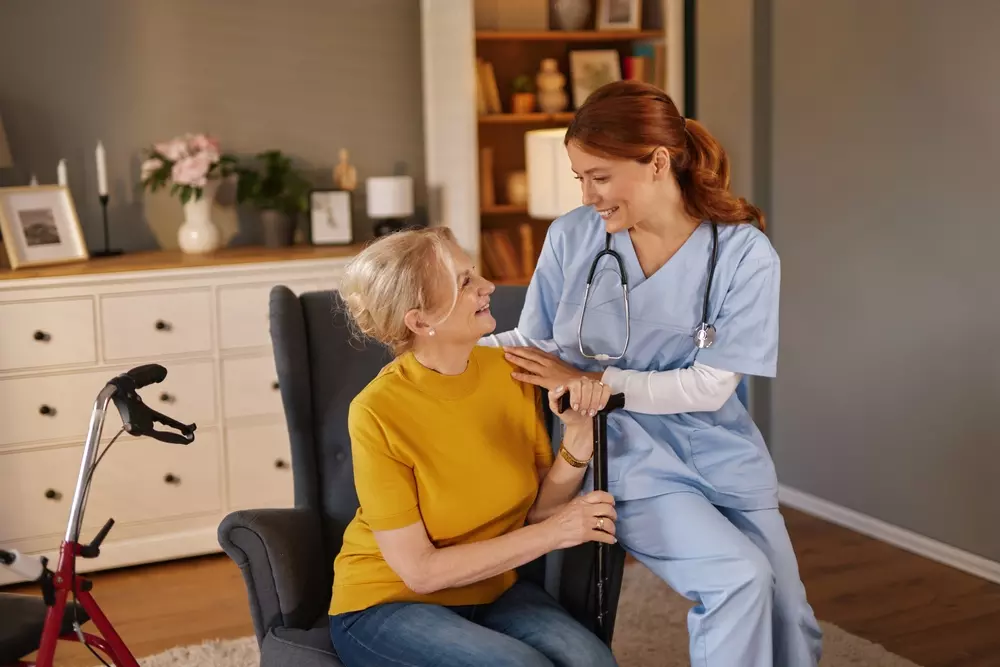
How to Become a Geriatric Nurse and What to Expect in the Role
Geriatric nursing is a focused area of healthcare that supports older adults. It requires patience, care, and strong clinical skills. Nurses in this field work closely with elderly patients who often have long-term health needs. They also support families through health decisions.
The responsibilities of a geriatric nurse include patient care, health monitoring, medication support, and emotional guidance. These duties demand attention to detail and steady communication with doctors and caregivers. The work is meaningful but also demanding.
Many people choose this career because it offers stable job options and daily human connection. It also allows nurses to make a direct impact on quality of life for seniors. This guide explains how to become a geriatric nurse and what the role looks like in real settings.
What Is Geriatric Nursing?
Geriatric nursing focuses on the health of older adults, usually age 65 and above. Patients often face multiple health issues at the same time. These may include diabetes, arthritis, memory loss, or heart disease.
Nurses in this field help manage long-term care needs. They work in hospitals, nursing homes, and home care settings. The goal is to support comfort, safety, and daily health stability.
This role is not only about treatment. It also involves observation and early detection of changes in health. Small signs can signal larger problems in older patients.
Steps to Become a Geriatric Nurse
Becoming a geriatric nurse requires education, training, and licensing. The path is clear but takes time and focus.
Education and Training Path
Here are the main steps:
- Complete high school or equivalent education
- Earn a nursing diploma or BSN degree
- Pass the NCLEX-RN exam for licensing
- Gain experience in general nursing practice
- Apply for roles in geriatric care settings
Each step builds core knowledge and patient care skills. Clinical practice during studies is especially important. It prepares nurses for real patient situations.
Some nurses also take short courses in elderly care. These courses improve understanding of age-related conditions.
Education and Certifications Needed
A registered nurse license is required in most countries. In many cases, a Bachelor of Science in Nursing is preferred. It gives deeper training in medical care and patient handling.
Some employers may also require certifications in geriatric care. These certifications show focused training in elderly health needs. They also improve job chances in competitive settings.
Continuing education is often part of this career. Medical methods and care standards change over time. Nurses must stay updated to provide safe care.
Skills Required for Geriatric Nursing
This role needs both clinical and personal skills. Technical knowledge alone is not enough.
Key skills include:
- Strong communication with patients and families
- Patience in handling slow recovery cases
- Observation skills for early health changes
- Basic wound care and medication handling
- Emotional control in stressful situations
- Teamwork with doctors and caregivers
Older patients often need repeated instructions. Clear and simple communication helps avoid confusion.
Patience is one of the most important traits. Recovery can be slow, and progress may vary daily.
Read: Top 10 Best Corporate Healthcare Service Providers in India
What to Expect in the Role
Geriatric nursing can be both rewarding and challenging. Each day brings different patient needs. Some tasks are planned, while others come without warning.
Nurses often work in shifts. These may include mornings, evenings, or nights. Work settings can be fast-paced, especially in hospitals.
Patients may need help with basic tasks like eating, bathing, or walking. Nurses also track vital signs and report changes to doctors.
Family interaction is another part of the role. Families often rely on nurses for updates and guidance.
Daily Responsibilities of a Geriatric Nurse
Work duties can vary by setting. However, most geriatric nurses perform similar tasks each day.
Core responsibilities include:
- Monitoring vital signs like blood pressure and pulse
- Giving prescribed medications on time
- Helping patients with daily activities
- Checking for pain, discomfort, or confusion
- Recording patient health updates
- Supporting mobility and fall prevention
- Coordinating with doctors and therapists
These tasks require focus and consistency. Even small changes in a patient’s condition matter.
In many cases, nurses also help manage chronic illnesses. This includes long-term monitoring and care planning.
Challenges in Geriatric Nursing
Like any healthcare role, this field has challenges. The emotional load can be heavy at times. Nurses often care for patients with serious or long-term conditions.
Physical effort is also part of the job. Helping patients move or stand can be tiring. Proper body mechanics are important to avoid injury.
Another challenge is time pressure. Many nurses care for multiple patients in one shift. This requires good time management and focus.
Despite these challenges, many nurses find purpose in this work. Small improvements in patient health bring strong motivation.
Work Environments for Geriatric Nurses
Geriatric nurses can work in different settings. Each environment has its own pace and demands.
Common workplaces include:
- Hospitals with elderly care units
- Nursing homes and assisted living centers
- Home healthcare services
- Rehabilitation centers
- Community health programs
Home care allows more one-on-one attention. Hospital settings are more structured and fast-moving.
Some nurses move between settings during their careers. This helps build wider experience and skills.
Career Growth Opportunities
Geriatric nursing offers long-term career options. With experience, nurses can move into advanced roles.
Some growth paths include:
- Senior geriatric nurse
- Nurse supervisor or team lead
- Case manager for elderly care
- Clinical educator in nursing schools
- Healthcare consultant for aging care programs
Further study can also open new doors. Advanced degrees may lead to leadership roles in healthcare.
Experience in this field is highly valued. As the elderly population grows, demand for skilled nurses continues to rise.
Why This Career Matters
Older adults need steady and respectful care. Many depend on nurses for daily support and health stability. This makes geriatric nursing an important part of healthcare systems.
The role also builds strong human connection. Nurses often form trust-based relationships with patients over time. These connections can be meaningful and long-lasting.
At the same time, the field supports job security. Healthcare systems continue to expand elderly care services worldwide.
Conclusion
Geriatric nursing is a stable and meaningful career path. It combines medical skill with daily patient support. The work can be challenging, yet it offers strong personal and professional value.
Those who enter this field must stay committed to learning and care quality. With time, experience leads to better confidence and growth in the role.
Many professionals also benefit from tools like a healthcare workforce networking platform, which helps them connect with employers, peers, and career opportunities in the healthcare field.