How to Align Your Digital Marketing Strategy With Business Goals
In today's fast-paced digital landscape, having a robust digital marketing strategy is essential for business success. However, it's not enough to just have a strategy; it must be aligned with your overarching business goals. This alignment ensures that every marketing effort contributes directly to your company's objectives, leading to more efficient use of resources and better overall performance.
Understanding the Core Components
What Is a Digital Marketing Strategy?
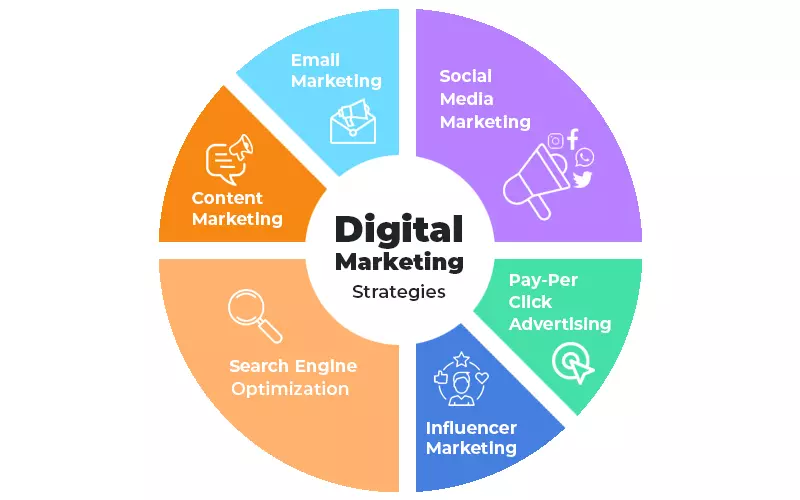
A digital marketing strategy is a comprehensive plan that outlines how a business will achieve its marketing objectives through online channels. It encompasses various elements such as search engine optimization (SEO), content marketing, social media engagement, email campaigns, and online advertising. The goal is to connect with potential customers where they spend a significant amount of their time online.
The Role of a Digital Marketing Campaign
A digital marketing campaign is a specific, targeted effort within the broader strategy aimed at achieving particular objectives, such as increasing brand awareness, generating leads, or boosting sales. These campaigns are time-bound and measurable, allowing businesses to assess their effectiveness and make necessary adjustments.
Digital Marketing for IT Companies
For IT companies, digital marketing presents unique challenges and opportunities. The tech industry is highly competitive, and standing out requires a deep understanding of the target audience's needs and pain points. Effective digital marketing strategies for IT companies often involve showcasing expertise through thought leadership content, leveraging SEO to improve online visibility, and utilizing paid advertising to reach decision-makers.
Step-by-Step Guide to Alignment
Step 1 – Define Clear Business Goals
Before diving into digital marketing, it's crucial to have well-defined business goals. These goals should be specific, measurable, achievable, relevant, and time-bound (SMART). For instance, a goal could be to increase website traffic by 30% over the next quarter or to generate 20% more leads through online channels within six months.
Step 2 – Conduct Comprehensive Market Research
Understanding your target audience is fundamental. Conduct thorough market research to identify customer demographics, preferences, behaviors, and pain points. Additionally, analyze competitors to understand their strategies and identify gaps in the market that your business can fill.
Step 3 – Develop a Targeted Digital Marketing Strategy
Based on the insights gained from market research, develop a digital marketing strategy tailored to your business goals. This strategy should outline the channels to be used (e.g., SEO, social media, email marketing), the type of content to be created, and the key performance indicators (KPIs) to measure success.
Step 4 – Implement Effective Digital Marketing Campaigns
With the strategy in place, it's time to execute digital marketing campaign. These campaigns should be designed to achieve the specific objectives set in the strategy. Regular monitoring and optimization are essential to ensure that the campaigns are performing as expected.
Step 5 – Utilize Data Analytics for Continuous Improvement
Data analytics play a pivotal role in assessing the effectiveness of digital marketing efforts. By analyzing metrics such as website traffic, conversion rates, and customer engagement, businesses can gain insights into what's working and what needs improvement. This data-driven approach allows for continuous refinement of strategies to better align with business goals.
Best Practices for IT Companies
Leveraging SEO and Content Marketing
For IT companies, SEO is a powerful tool to enhance online visibility. By optimizing website content with relevant keywords and creating high-quality, informative content, businesses can attract organic traffic and establish themselves as industry leaders.
Utilizing Social Media and Paid Advertising
Social media platforms offer IT companies a way to engage with their audience directly. Regularly posting valuable content, participating in discussions, and using targeted paid advertising can help build brand awareness and generate leads.
Building Strategic Partnerships
Collaborating with other businesses or influencers in the tech industry can expand reach and credibility. Joint webinars, co-authored content, and shared promotions are effective ways to leverage partnerships for mutual benefit.
Common Pitfalls to Avoid
Misalignment Between Marketing and Business Teams
A disconnect between marketing and other departments can lead to misaligned objectives and wasted resources. Regular communication and collaboration between teams are essential to ensure that marketing efforts support overall business goals.
Overlooking Mobile Optimization
With a significant portion of internet traffic coming from mobile devices, it's crucial to ensure that digital marketing campaigns are optimized for mobile viewing. This includes having a responsive website design and mobile-friendly content.
Ignoring Customer Feedback
Customer feedback provides valuable insights into the effectiveness of marketing strategies. Regularly collecting and analyzing feedback allows businesses to make informed adjustments to their campaigns.
Conclusion
Aligning your Digital Marketing services with your business goals is not a one-time task but an ongoing process. By defining clear objectives, conducting thorough research, developing targeted strategies, implementing effective campaigns, and utilizing data analytics, businesses can ensure that their marketing efforts contribute directly to their success.
For IT companies, understanding the unique challenges and opportunities in the digital landscape is key to developing strategies that resonate with their audience and drive growth.
FAQs
1. What are the first steps in aligning digital marketing with business goals?
The very first step is to clearly define your business goals. Think about what you're trying to achieve—do you want more website traffic
2. How can IT companies measure the success of their digital marketing strategies?
IT companies can measure success through key performance indicators (KPIs) like website traffic, conversion rates, cost-per-lead (CPL), customer acquisition cost (CAC), and return on ad spend (ROAS).
3. What role does customer feedback play in digital marketing alignment?
Customer feedback is like having a compass for your digital marketing journey. It tells you whether your message is hitting the mark or falling flat.
4. How often should digital marketing strategies be reviewed and adjusted?
Think of your digital marketing strategy as a living document. Ideally, review it quarterly to assess performance and pivot if needed.
5. Can small IT companies benefit from the same digital marketing strategies as larger firms?
Absolutely! While the scale might differ, the core principles remain the same. Small IT firms can use content marketing, SEO, email campaigns, and social media just like the big players.