How Thermal Spray Coatings Help Prevent Corrosion in Industrial Environments?
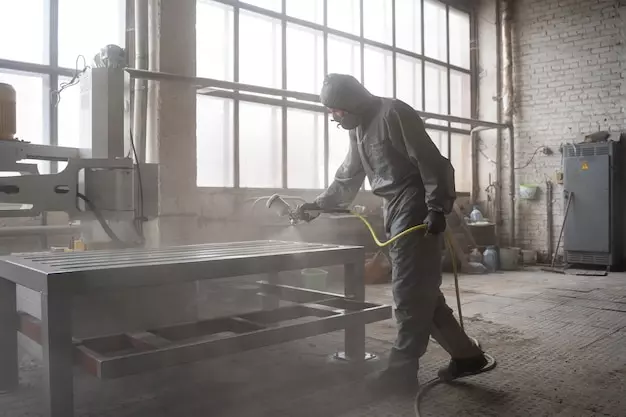
Thermal spray coatings prevent corrosion by placing a protective layer of metal on the surface of structures, equipment, and vessels. That layer stands between the base material and the harsh conditions that cause damage over time.
Facilities that search for industrial thermal spray coating companies often need to protect their valuable assets exposed to corrosive conditions. Paint is a familiar option, but a sprayed metal coating sticks to the surface more strongly and lasts longer.
That means less maintenance down the road.
The way the coating is applied explains why it holds up so well, so it helps to look at the process step by step.
Why Corrosion Is Such a Costly Problem
Corrosion rarely announces itself. It can cause discoloration, staining, scale buildup, and sometimes holes in the metal. If the damage is ignored, it can lead to leaks and expensive repairs.
Part of the trouble is that corrosion often stays out of sight. Blast cleaning can uncover hidden rust and corrosion, and that can reveal damage far more serious than it first appeared. Acting early helps prevent further corrosion and costly failures.
Industrial structures, equipment, and vessels in harsh conditions need a coating that keeps working year after year. A coating that wears out early only delays the problem.
How Thermal Spray Metalizing Works
Thermal spray metalizing is a coating process that puts a layer of metal onto a surface. The equipment is specialized, but the steps are easy to follow.
It starts with surface preparation. Spray equipment then melts a metal wire.
Clean, compressed air breaks the molten metal into tiny droplets and carries them to the prepared surface. The droplets stick together and form a strong, protective coating.
There is more than one way to apply it. Electric arc spray, combustion powder spray, and combustion wire spray are all used, and the right choice depends on the project requirements.
A range of pure metals and alloys can be applied, which gives the process flexibility across different applications and environments.
What Makes a Metal Coating Resist Corrosion
The metal layer resists corrosion, and it also provides anodic protection of the surface. When comparing industrial thermal spray coating service providers, consider how well the coating adheres to the surface and protects it over time.
Adhesion matters just as much. A sprayed metal coating bonds more strongly than paint, which means longer-lasting protection and less need for frequent maintenance.
The job itself is practical too. Application and drying take less time, and the coating can improve insulation on larger surfaces.
Material choice adds flexibility. Because many pure metals and alloys can be coated, the process can serve a wide range of surface-protection needs. Different applications and environments call for different solutions, and thermal spray can adapt to many of them.
Surface Preparation Comes First
A thermal spray coating is only as good as the surface beneath it. Surface preparation removes product build-up, dirt, oil, corrosion scale, old coatings, and other contaminants.
That gives the atomized metal a clean surface to grip, and it affects how long the coating lasts and how well it performs.
Several methods are used, including pressure water cleaning, solvent cleaning, hand and power tool cleaning, abrasive blast cleaning, sponge blasting, sandblasting, and dry ice blasting. The right one depends on the surface condition, the material, and the coating specification.
A detailed inspection before any work begins helps identify contamination and damage. It also guides the choice of method from the start. Rushing or skipping this stage raises the risk of early coating failure.
Safety matters here too. Trained thermal spray coating and painting contractors follow industry-approved safety procedures and established guidelines.
How Long Does a Thermal Spray Coating Last?
Longevity is where thermal spray stands out. Thermal spray metalizing jobs typically do not need their first maintenance or inspection for up to 20 years of service, even in harsh environments. That can lead to a significant drop in long-term maintenance costs.
Results still depend on the condition of the surface and how well it was prepared, which is why the early steps matter so much.
Where Thermal Spray Fits Best
Thermal spray is used to protect structures, equipment, and vessels that operate in harsh or corrosive environments. It makes the most sense wherever long-term corrosion resistance and a longer service life are priorities.
For assets in harsh environments, the stronger bond and longer-lasting protection are the main reasons facilities consider thermal spray over traditional paint. Less frequent maintenance also means lower long-term maintenance costs.
Not every asset needs the same coating. Consulting coating & paint contractors can help you compare thermal spray with painted systems for a specific asset, since the best choice depends on the surface, the environment, and the coating specification.
What to Ask When Comparing Contractors
When comparing coating and paint contractors in NJ, a few simple questions can reveal a lot.
• Do they inspect the surface before starting work?
• How do they prepare the surface, and which methods do they use?
• Which thermal spray methods can they provide?
• Do they follow established safety procedures, especially in active facilities?
• How do they plan to meet the project timeline?
Timing deserves a close look. Preparation time depends on the surface condition, the size of the job, and the method required, so a clear schedule from the start helps.
Clear answers to all of these questions usually point to a contractor who understands the complete process, from preparation to the finished coating.
Protecting Industrial Assets for the Long Term
Corrosion is easier to prevent than to repair. Thermal spray coatings create a protective metal layer on industrial structures, equipment, and vessels to help resist corrosion. They bond firmly to the surface and can provide long-lasting protection before maintenance is needed.
Good surface preparation makes that protection possible. Working with experienced industrial thermal spray coatings companies in NJ is a practical way to protect your assets for the long term.