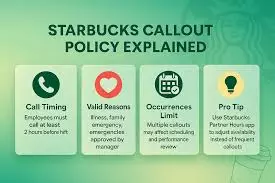
How the Starbucks Time-Off Policy Supports Work-Life Balance
Starbucks has long been recognized not only for its quality coffee but also for its progressive employee policies. One of the most significant aspects of its employee-centered approach is the Starbucks Time-Off Policy, which demonstrates the company’s commitment to work-life balance.
By offering a range of paid and unpaid leave options, Starbucks ensures that partners (employees) can manage personal responsibilities, recover from illness, and enjoy meaningful time with loved ones without the added stress of work obligations. This article explores how the Starbucks Time-Off Policy contributes to employee well-being, morale, and overall productivity.
Understanding the Starbucks Time-Off Policy is crucial for both current and prospective partners. The policy encompasses various types of leave, including vacation, sick leave, personal days, and parental leave. It is designed to be flexible, reflecting the diverse needs of Starbucks’ workforce. This approach not only helps employees manage their personal lives but also reinforces a supportive workplace culture where individuals feel valued and respected.
Paid Vacation and Personal Days
One of the cornerstone features of the Starbucks Time-Off Policy is the provision of paid vacation and personal days. Partners accrue vacation days based on tenure and hours worked, giving long-term employees additional flexibility to plan extended breaks or short personal getaways.
This structure ensures that employees are not only rewarded for their loyalty but also encouraged to take time to recharge. Paid vacation days are essential for preventing burnout and maintaining a healthy work-life balance, particularly in a fast-paced, customer-facing environment like Starbucks.
Personal days, another component of the policy, allow partners to handle urgent personal matters without worrying about financial repercussions. These days can be used for appointments, family needs, or simply to rest when life becomes overwhelming.
By offering paid time off for personal matters, Starbucks demonstrates a commitment to treating employees as whole individuals rather than just workers. This approach helps reduce stress, improve mental health, and foster long-term employee satisfaction.
Sick Leave and Wellness Support
The Starbucks Time-Off Policy also prioritizes health and wellness by including paid sick leave for all partners. Employees who are unwell can take necessary time off without fear of losing income, promoting a culture of health-consciousness within the company.
This aspect of the policy is particularly important in retail and foodservice settings, where coming to work while sick could endanger both coworkers and customers. By ensuring partners can rest and recover, Starbucks helps maintain a safe and healthy workplace for everyone.
In addition to paid sick leave, Starbucks offers wellness resources and mental health support to its employees. These benefits align with the broader goals of the time-off policy, providing holistic support for partners’ physical and mental well-being.
Employees can access counseling services, stress management tools, and wellness programs that complement the formal leave policies. Together, these initiatives foster a workplace environment where taking time off is normalized and encouraged as part of maintaining overall well-being.
Parental Leave and Family Support
Starbucks is renowned for its generous parental leave programs, a key element of its Starbucks Time-Off Policy. New parents, including both mothers and fathers, receive paid leave to bond with their children, attend to family responsibilities, and adjust to new life changes.
This inclusive approach not only supports traditional family structures but also recognizes diverse family needs, including adoptive parents and same-sex couples. By offering substantial parental leave, Starbucks emphasizes the importance of family while helping employees navigate one of life’s most significant transitions.
The parental leave benefits also reflect a larger corporate culture that values long-term employee engagement. When partners feel supported in balancing work and family responsibilities, they are more likely to remain committed to the company, enhancing employee retention rates. Moreover, these policies send a powerful message that Starbucks prioritizes the well-being of its employees over short-term productivity pressures, fostering a culture of trust and loyalty.
Flexibility and Scheduling Options
Another important aspect of the Starbucks Time-Off Policy is its emphasis on scheduling flexibility. Employees can request time off in advance, swap shifts with colleagues, or use digital scheduling tools to manage their availability.
Read: Boost Your Profile: Free Instagram Followers Guide
This flexibility allows partners to accommodate personal obligations, pursue educational opportunities, or simply maintain a better work-life balance. Starbucks’ approach to scheduling demonstrates a modern understanding that employee satisfaction and productivity are closely linked to the ability to manage one’s own time effectively.
Flexibility also extends to the way time-off requests are handled. Starbucks encourages managers to consider individual circumstances and work collaboratively with partners to ensure coverage while respecting employees’ needs.
This balance of operational efficiency and personal accommodation strengthens morale and reinforces a sense of partnership between staff and management. By integrating flexibility into its time-off policies, Starbucks makes it possible for employees to thrive both at work and in their personal lives.
Encouraging a Culture of Balance
Beyond formal policies, Starbucks fosters a company culture that actively encourages work-life balance. The Starbucks Time-Off Policy is part of a broader commitment to employee well-being, including initiatives like flexible schedules, wellness programs, and support for professional development.
This culture empowers partners to prioritize personal needs alongside professional responsibilities, creating a more sustainable and fulfilling work experience. Employees who feel supported in this way are often more engaged, creative, and productive, benefiting both themselves and the company.
Starbucks also communicates the importance of using available time-off resources regularly, not just during emergencies. Managers and team leaders are trained to model healthy work-life balance behaviors and encourage their teams to take full advantage of the policy.
By normalizing time off and reducing stigma around taking breaks, Starbucks ensures that employees can truly benefit from the resources provided, reinforcing the company’s reputation as a progressive and employee-focused employer.
Conclusion
The Starbucks Time-Off Policy is a prime example of how thoughtful employee benefits can support work-life balance, employee satisfaction, and overall productivity. By offering paid vacation, personal days, sick leave, parental leave, and flexible scheduling, Starbucks creates an environment where partners feel valued and supported.
Beyond formal policies, the company’s culture actively promotes balance and wellness, ensuring that employees can thrive both professionally and personally.
Ultimately, Starbucks demonstrates that investing in employee well-being is not just a moral choice—it’s a strategic one. By fostering a workplace where time off is respected and work-life balance is prioritized, Starbucks enhances employee loyalty, reduces burnout, and sets a high standard for corporate responsibility in the retail industry. The Starbucks Time-Off Policy serves as a model for other companies seeking to support their workforce while maintaining operational excellence.