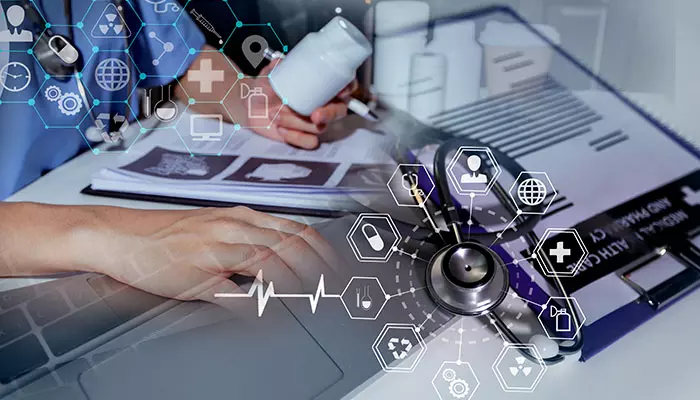
How Technology is Revolutionizing Modern Healthcare
The healthcare sector is rapidly changing due to the ever-increasing rate of technological change. Digital innovation is reshaping care delivery, reaching, and managing care in regard to how AI-assisted diagnostics, wearables, and telehealth hold the potential to improve patient outcomes, while simultaneously enhancing efficiencies for hospitals, clinics, and individuals across the globe.
Modern Healthcare Innovations
Artificial Intelligence in Diagnostics
Artificial Intelligence (AI) has emerged as one of the most influential tools in healthcare today. AI algorithms can effectively analyze medical images, recognize patterns found in lab results, and even provide forecast health risk alerts before re evaluating forms.
Departments such as radiology, pathology, and oncology have started adopting AI systems to aid in diagnosing faster & more accurately while decreasing errors & inferences. AI is augmenting the human understanding expertise of doctors so that healthcare professionals can spend their time with patients instead of paperwork.
Telemedicine and Remote Care
Telehealth has transformed the doctor-patient landscape. Where there once may have only been in-office visits, now there are also video consultations, mobile health apps, and digital monitoring. If patients are in rural or other undeserved areas, they are no longer restricted by long distance travel to access specialists and other practitioners adjacent to healthcare.
Telehealth also saves patients time and money. Whether for acute support or chronic disease management, telehealth platforms offer the real-time monitoring of such chronic illnesses as diabetes and hypertension, while enabling patients to stay engaged with their treatment plan.
Wearable Devices and Personalized Health
Fitness trackers, smartwatches, and wearable monitors are no longer just lifestyle accessories—they are now a part of preventive health care. Smartwatches and fitness trackers monitor the heart rate, oxygen levels, sleep, and even identify irregular rhythms that can suggest potential early heart disease.
If wearable devices can integrate with electronic health records, and are shared with a physician, it provides a complete view of a patient's health history to develop personal treatment plans. By integrating innovative technology into preventive health, individuals can take an active role in managing their own health.
Healthcare Employees and Automation
Healthcare employees are being supported by robotics and automation on an ongoing basis, as both have transformed the operating room and workflows in healthcare. Robotic-assisted surgery allows doctors to perform more complex procedures with greater accuracy, leading to shorter recovery times and fewer complications.
Automation is diversifying work that has been traditionally carried out by pharmacists and other healthcare staff. For example, automation in pharmacy and medical supply management allows pharmacy technicians to focus on clinical responsibilities rather than repetitive medication dispensing duties and administratively burdensome tasks. By automating repetitive tasks, technology allows medical professionals to dedicate time to patient care and innovation.
Electronic Health Records (EHR) and Data Sharing
No more paper charts. No more passing around bits and pieces of a medical record. Electronic Health Records (EHRs) are what modern health systems have evolved into, providing secure storage, transfer, and real-time updates to patient information.
Interoperability (or a lack thereof) across hospitals and clinics allows for timelier referrals, less duplication of testing, and better connection and coordination over care. EHRs have provided data analytics to better monitor population health trends for public health settings and subsequently guide planning and resource expenditures.
The Road Ahead
Technology has countless benefits but presents challenges as well including security issues, high cost to implement, and ongoing training. The overall takeaway, though clear, is that technology is making healthcare more intelligent, efficient, and patient-centered. As new innovations are introduced into the clinical setting, patient care and medicine will continue to evolve through a combination of human know-how and machine intelligence.