How SWP Rules Affect Your Mutual Fund Redemption Strategy
A Systematic Withdrawal Plan (SWP) is widely used by mutual fund investors who want periodic cash flow without redeeming their entire investment at once. It is particularly popular among retirees, individuals planning passive income, and investors who prefer structured withdrawals instead of lump-sum redemptions.
However, SWP is not merely a payout mechanism. Every instalment is treated as a partial redemption of mutual fund units. This means taxation, market timing, and portfolio sustainability all become important factors in shaping your overall redemption strategy.
Understanding how SWP rules operate can help you avoid unintended tax consequences and reduce the risk of depleting your investment too quickly.
What an SWP actually does
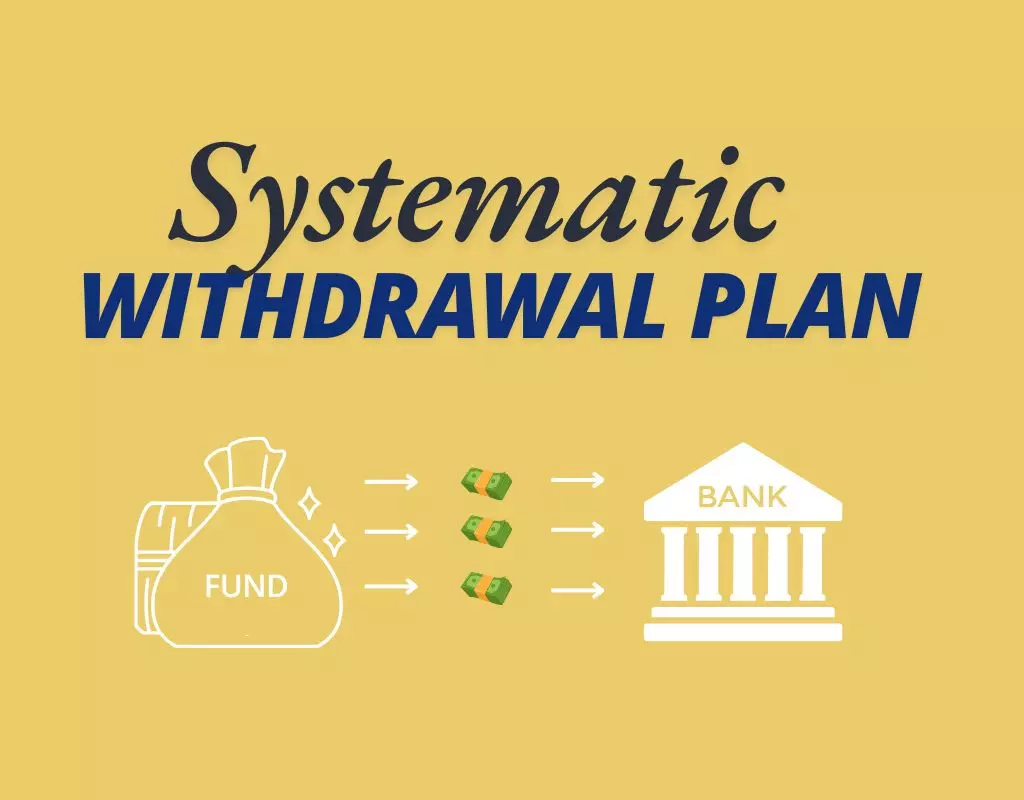
An SWP allows you to withdraw a fixed amount from your mutual fund at regular intervals, such as monthly or quarterly. Instead of earning interest, as in a bank deposit, the mutual fund redeems a specific number of units at the prevailing Net Asset Value (NAV) and transfers the proceeds to your bank account.
Each withdrawal consists of two components:
- A portion of your invested capital
- A portion treated as capital gains
Because each withdrawal is technically a redemption, the taxation depends on the type of mutual fund and the holding period of the units being redeemed. Units purchased at different times may have different holding periods, which can influence the tax category applicable to each SWP instalment.
Why timing matters in an SWP strategy
One of the most overlooked risks in SWP planning is sequence risk. If you begin withdrawals during a market downturn, more units must be redeemed to generate the same withdrawal amount. This reduces the number of units left in your portfolio and limits its ability to recover when markets rebound.
For example, if markets fall significantly in the first few years of your SWP, your capital base shrinks faster. Even if returns improve later, the reduced unit balance may not fully compensate for earlier redemptions. This is why SWP works best when the withdrawal rate is aligned with expected long-term returns.
Investors often assume that a fixed withdrawal amount guarantees stable income. In reality, sustainability depends on market performance and disciplined planning.
Choosing the right withdrawal rate
A practical rule of thumb is to avoid aggressive withdrawal percentages, especially in the early years. Higher withdrawal rates increase the risk of capital erosion.
You should also consider:
- Your time horizon
- Your dependence on SWP for essential expenses
- Portfolio diversification across equity and debt funds
- Periodic review of withdrawal amounts
A well-structured SWP plan balances income needs with capital preservation.
Taxation and compliance considerations
SWP withdrawals are taxed under capital gains provisions. They are not treated as salary, interest, or rental income. However, investors often have multiple income sources, and overall tax compliance requires careful classification.
For example, if you also earn rental income, Section 194I of Income Tax Act becomes relevant.
This section deals with Tax Deducted at Source (TDS) on rent payments above the prescribed threshold. If your tenant deducts TDS under Section 194I, that credit will appear in your tax records. Although this provision does not apply to SWP withdrawals, it affects your overall tax reporting and reconciliation.
Similarly, business owners who use SWP withdrawals for personal liquidity should be cautious about classification. Section 44AB of Income Tax Act governs tax audit requirements for businesses and professionals based on turnover or gross receipts crossing specified limits. Mutual fund redemptions under SWP are capital transactions and do not form part of business turnover.
Read: New Income Tax Budget 2025: Key Changes and Impact
However, mixing personal investment withdrawals with business receipts can complicate reporting and audit compliance.
Maintaining clear separation between capital gains income and business income helps avoid errors in return filing and tax audit evaluations.
Aligning SWP with broader financial planning
An SWP should not be viewed in isolation. It works best when integrated into a broader financial strategy.
Consider the following:
- If you rely heavily on SWP for retirement income, you may need a balanced allocation between equity and debt funds to reduce volatility.
- If you have rental income subject to TDS under Section 194I of Income Tax Act, your total taxable income may fluctuate, affecting your tax outgo.
- If you run a business subject to audit under Section 44AB of Income Tax Act, accurate segregation of capital gains and business income becomes even more important.
Periodic reviews help ensure that your withdrawal rate remains sustainable and compliant.
Avoiding common SWP mistakes
Many investors make avoidable errors when structuring SWP:
- Starting withdrawals immediately after a lump-sum investment without allowing growth
- Ignoring market conditions
- Setting withdrawal amounts too high
- Not reviewing the plan annually
- Failing to track tax impact
A disciplined review process can prevent capital erosion and unexpected tax liabilities.
Conclusion
SWP can be a flexible and efficient way to generate regular income from mutual fund investments. However, since each instalment is treated as a redemption, market timing, withdrawal rate, and tax classification all influence long-term sustainability.
Investors must also consider how SWP interacts with other income sources, especially when provisions such as Section 194I of Income Tax Act apply to rental income or when Section 44AB of Income Tax Act affects business audit requirements.
A well-planned SWP strategy balances income needs, capital preservation, and tax compliance. By aligning withdrawals with realistic return expectations and maintaining proper reporting discipline, investors can use SWP effectively without compromising their financial stability.
Read More: Bajaj Finserv