How Streaming Technology Is Reshaping the Entertainment Industry
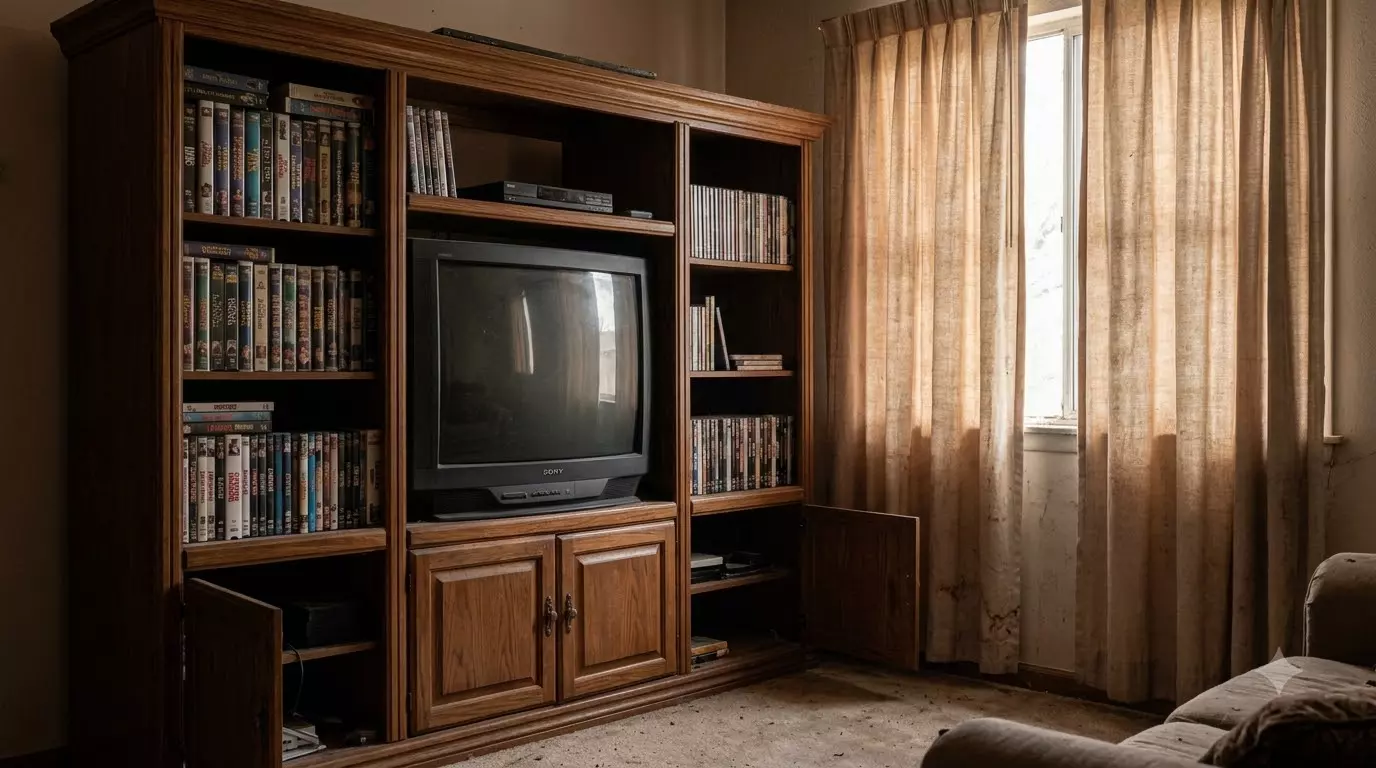
Streaming technology has changed the way I discover, watch, and engage with entertainment. Traditional television once required a fixed schedule, while movies often meant visiting a cinema or waiting for a physical release.
Streaming has reduced many of those limitations by allowing content to reach viewers through internet-connected devices.
I have also noticed how streaming has changed content marketing. A product or niche that once depended heavily on physical stores, magazines, or television advertising can now reach an audience through videos, podcasts, live streams, and social platforms.
Even industries such as vaping are becoming part of digital content discussions, with terms such as North Vape, North Vision 0% Nicotine, and North Vape Near Me appearing in online searches and promotional content.
The change is not only about convenience. Streaming technology has influenced how entertainment is produced, distributed, promoted, and measured.
The Problem With Traditional Entertainment
Before streaming became common, I had fewer choices when deciding what to watch.
Television schedules determined when programs were available, and movie releases followed a structured distribution process. Missing a program could mean waiting for a repeat broadcast.
This model also created limitations for content creators and businesses. A production had to compete for limited television slots, cinema screens, or physical shelf space. Advertising was often designed around broad audiences rather than specific viewer interests.
Some common limitations included:
- Fixed television schedules
- Limited access to international content
- Physical distribution costs
- Dependence on cinema or television availability
- Less direct interaction between creators and audiences
- Limited information about individual viewing habits
I can now see why these limitations created an opportunity for streaming. Internet-based delivery allows entertainment to move directly from a platform to a connected device.
Streaming has also made niche content easier to find. Instead of depending entirely on mainstream broadcasters, I can search for documentaries, independent productions, tutorials, interviews, reviews, live events, and other specialized material.
This same search-driven environment affects commercial content. For example, someone searching for North Vape Near Me may encounter videos, reviews, articles, or other digital information alongside traditional search results.
The important change is that digital platforms can connect specific searches with specific types of content.
Streaming Has Changed How Content Is Produced
Streaming has changed production decisions because platforms can analyze audience behavior.
I have seen entertainment companies move away from relying only on traditional ratings and instead use information such as viewing time, completion rates, searches, and audience engagement.
This data can influence decisions about:
- Which genres receive investment
- How long episodes should be
- Which markets receive localized content
- What types of programs receive promotion
- When new episodes or seasons are released
- Which audiences are most interested in particular subjects
Another major change is the rise of on-demand viewing. I no longer need to organize my schedule around every program. Streaming services allow content to remain available beyond its original broadcast time.
This flexibility has also encouraged different formats. Short-form videos, livestreams, podcasts, video essays, interviews, and creator-led programs can exist alongside traditional films and television series.
For brands and niche industries, streaming provides another communication channel.
A subject such as vaping can appear in educational discussions, product reviews, industry news, or lifestyle content where permitted by platform rules and applicable laws.
A search term such as North Vision 0% Nicotine can therefore exist within a broader digital content ecosystem rather than depending only on conventional advertising.
The New Streaming Economy and Viewer Experience
The streaming economy has created both opportunities and challenges. I can access a large amount of content without depending on traditional broadcast schedules, but the growing number of platforms can also make entertainment more fragmented.
A viewer may need multiple subscriptions to access different shows, films, sports programs, or specialist content. This has created competition between streaming services for attention and subscribers.
Personalization and Global Access
Personalization is one of the biggest changes I notice in streaming. Platforms can recommend content based on previous viewing behavior, searches, ratings, and other interactions.
This can make discovery easier because I do not always need to know the exact title I want. A recommendation system can introduce me to another program based on previous interests.
Streaming has also expanded access to international entertainment. Subtitles, dubbing, regional catalogs, and global distribution allow productions to reach audiences far beyond their original markets.
The result is a more connected entertainment environment where:
- Independent creators can reach wider audiences
- International productions can gain new viewers
- Specialized interests can support niche communities
- Audiences can discover content through recommendations
- Creators can receive feedback more quickly
At the same time, I need to remember that recommendations are not completely neutral. Algorithms influence what appears on a screen, which means the platform can shape discovery as much as the viewer does.
This issue also matters for commercial searches. When I search for something such as North Vape Near Me, results can depend on location, search behavior, platform policies, and available online information. Digital visibility therefore does not automatically mean universal availability.
What Streaming Means for the Future of Entertainment
I expect streaming technology to continue influencing entertainment as internet access, connected devices, artificial intelligence, and interactive media develop.
The future is likely to involve more than simply watching a video. Interactive programs, live commerce, virtual events, personalized recommendations, creator communities, and new forms of digital storytelling can all become part of the entertainment experience.
I also expect competition to remain intense. Streaming platforms need to produce or license content that keeps audiences engaged while managing production and distribution costs.
Creators face a similar challenge because a larger digital audience also means more competition for attention.
For consumers, the biggest advantage remains flexibility. I can choose what I want to watch, when I want to watch it, and which device I want to use.
For businesses, the opportunity lies in reaching clearly defined audiences through digital channels. However, responsible content creation still matters.
Product-related content, including material involving vaping brands or terms such as North Vape, should follow platform policies, advertising rules, and applicable regulations.
A term such as North Vision 0% Nicotine should also be presented accurately without making unsupported health or safety claims.
Streaming has therefore become more than another way to watch television.
I see it as a major change in the entire entertainment system. It has affected production, distribution, marketing, audience behavior, and content discovery.
The shift from scheduled entertainment to on-demand digital access has changed what audiences expect. As streaming technology develops further, I expect entertainment to become increasingly personalized, interactive, and accessible across different devices and platforms.