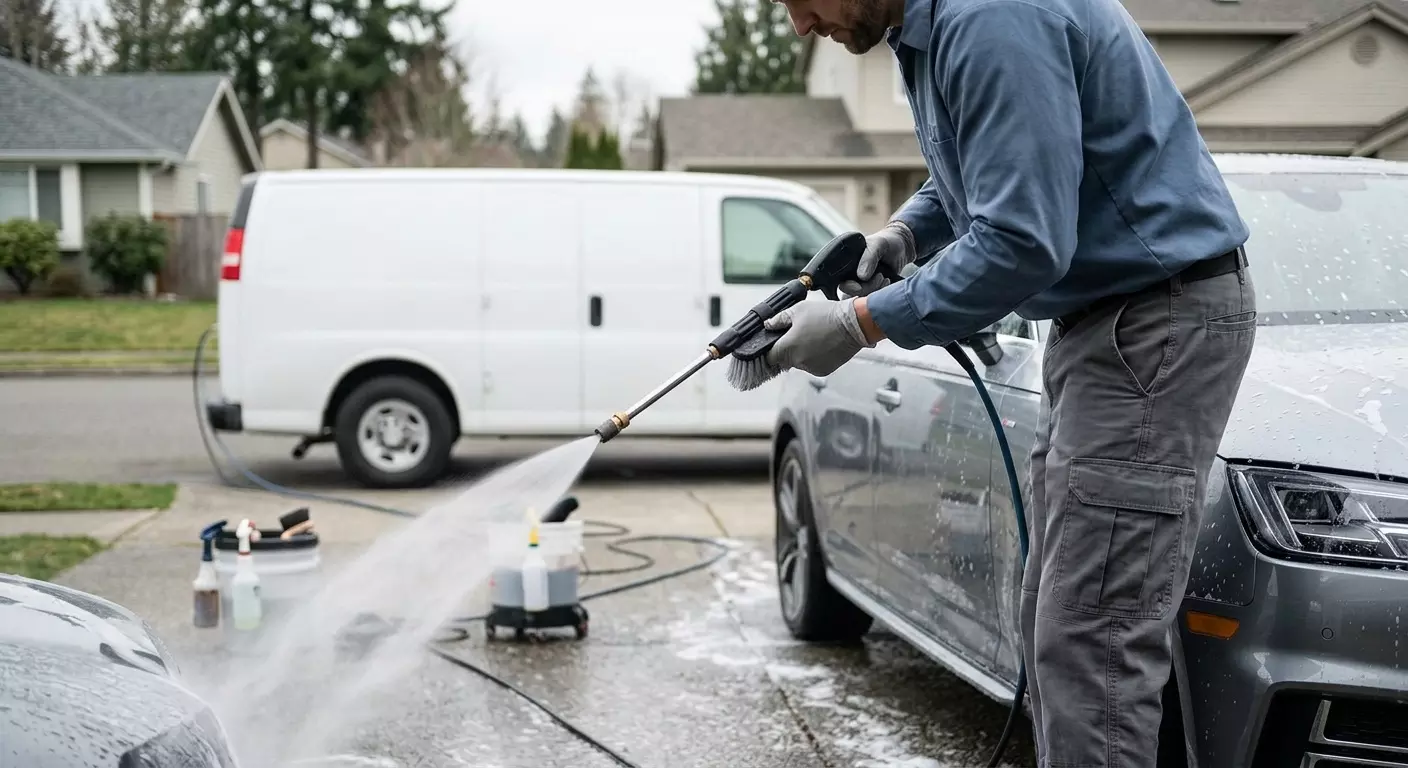
How Specialized Fleet Washing Helps Businesses Protect Their Vehicles and Reduce Long-Term Costs
For businesses that rely on trucks, vans, trailers, and other commercial vehicles, maintaining a fleet involves much more than keeping vehicles looking presentable.
Regular cleaning plays an important role in protecting vehicle surfaces, preserving equipment, and reducing the impact of dirt and contaminants that accumulate during daily operations.
A well-maintained fleet can also support a professional company image while helping businesses avoid unnecessary maintenance expenses.
Specialized fleet washing goes beyond a basic exterior wash. It uses cleaning methods and treatments suited to commercial vehicles, their operating environments, and the types of contaminants they encounter.
By making professional cleaning part of a regular maintenance routine, fleet operators can protect their investments and potentially extend the useful life of their vehicles.
Why Fleet Vehicles Need Specialized Cleaning
Commercial vehicles are exposed to demanding conditions every day. Depending on the industry, a fleet may encounter road salt, mud, grease, oil, dust, chemicals, exhaust residue, and other substances.
When these contaminants remain on vehicle surfaces for extended periods, they can become increasingly difficult to remove.
Unlike passenger vehicles, fleet vehicles often travel long distances and operate on strict schedules.
Their cleaning requirements may therefore be more intensive and frequent. Standard consumer car-washing methods may not adequately address heavy buildup or the specific requirements of commercial equipment.
Specialized fleet washing provides a more targeted approach. Professional cleaners can select appropriate cleaning techniques based on the vehicle's surface, condition, and operating environment, helping ensure that important areas receive the attention they need.
Protecting Vehicle Exteriors From Contaminant Buildup
One of the primary advantages of professional fleet treatment is helping protect exterior surfaces from accumulated contaminants. Dirt may seem harmless at first, but prolonged exposure to certain substances can contribute to surface deterioration.
Road grime, grease, and industrial residue can adhere to painted surfaces, metal components, wheels, and other exterior areas. Regular cleaning helps remove these materials before they have an opportunity to build up extensively.
For companies operating expensive commercial vehicles, this preventive approach can be valuable. Maintaining cleaner surfaces can help reduce the need for intensive corrective cleaning and contribute to better overall vehicle preservation.
Supporting Long-Term Fleet Maintenance
Fleet maintenance costs can quickly become significant when a business manages multiple vehicles. Preventive maintenance is therefore an important part of controlling long-term operating expenses.
Cleaning should not replace mechanical inspections or repairs, but it can complement a broader maintenance program.
A cleaner vehicle makes it easier for operators and maintenance teams to notice visible problems such as damaged components, leaks, corrosion, or unusual wear.
Regular washing can also prevent heavy layers of dirt and residue from masking exterior issues. When potential problems are easier to identify, businesses may have an opportunity to address them before they become more expensive maintenance concerns.
Read: Pressure Washer Equipment in Massachusetts
Maintaining a Professional Business Image
A company's vehicles often function as moving representations of its brand. Trucks, vans, trailers, and service vehicles may be seen by customers, suppliers, and members of the public throughout the day.
Dirty or heavily stained vehicles can create an unfavorable impression, particularly for businesses that visit customer properties or operate in professional environments. Clean vehicles, on the other hand, can contribute to a more organized and professional appearance.
This is especially relevant for service businesses, delivery companies, contractors, transportation providers, and other organizations where fleet vehicles are frequently visible to customers.
Why Professional Fleet Treatment Can Be More Efficient
Managing fleet cleaning internally can require considerable time, labor, equipment, water, and cleaning supplies. Employees who are responsible for other operational duties may also have limited time to perform thorough vehicle cleaning.
Professional fleet washing allows businesses to establish a consistent cleaning routine without placing the entire responsibility on their own employees.
Specialized providers can work with fleet operators to develop cleaning schedules that accommodate vehicle availability and operational requirements.
For larger fleets, consistency is particularly important. A structured washing program helps prevent some vehicles from receiving regular attention while others are repeatedly overlooked.
Cleaning Based on the Fleet's Operating Environment
Every fleet faces different cleaning challenges. A construction company's vehicles may collect mud, dust, and concrete residue, while transportation fleets may encounter road grime and environmental contaminants.
Food-related vehicles may have entirely different sanitation and cleaning requirements.
This is why specialized fleet washing can be more appropriate than applying the same cleaning process to every vehicle. Cleaning techniques can be selected according to the types of materials that commonly accumulate on the fleet.
A professional specialized fleet treatment program can provide businesses with a more focused approach to maintaining vehicles that operate in challenging conditions.
Reducing the Need for Aggressive Cleaning
When vehicles are neglected for long periods, removing accumulated grime may require more intensive cleaning. Heavy buildup can take additional time and effort to address, increasing the resources required to restore the vehicle's appearance.
Regular washing helps keep contamination under control. Instead of waiting until vehicles become heavily soiled, businesses can establish recurring cleaning intervals that make each service more manageable.
This preventive strategy can contribute to more predictable maintenance routines and help fleet managers avoid unnecessary cleaning challenges.
Improving Fleet Management
Fleet management involves balancing vehicle availability, operating costs, maintenance requirements, and employee productivity. A professional washing schedule can become another manageable component of this process.
Fleet managers can establish cleaning intervals based on mileage, operating conditions, vehicle type, or business requirements.
Vehicles that operate in particularly dirty environments may require more frequent treatment, while others may need less frequent service.
By incorporating cleaning into the overall fleet maintenance schedule, businesses can approach vehicle care systematically rather than treating washing as an occasional cosmetic task.
Protecting a Valuable Business Investment
Commercial vehicles represent a substantial investment for many companies. Purchasing, financing, insuring, maintaining, and eventually replacing fleet vehicles can involve considerable expense.
Taking care of vehicles throughout their working lives is therefore an important part of responsible asset management. Regular professional cleaning is one relatively straightforward practice that can support this goal.
While no washing program can eliminate every form of vehicle deterioration, consistent cleaning can help businesses manage exterior contamination and maintain their fleet in better condition over time.
Final Thoughts
Specialized fleet washing is more than an appearance-focused service. For businesses that depend on commercial vehicles, regular cleaning can support preventive maintenance, protect exterior surfaces, improve visibility of potential problems, and maintain a professional company image.
A consistent fleet treatment program also makes vehicle care easier to manage by providing businesses with a structured approach to cleaning.
When combined with proper mechanical maintenance and inspections, regular washing can contribute to a more comprehensive strategy for protecting valuable fleet assets and managing long-term operating costs.
For companies that rely on their vehicles every day, investing in appropriate cleaning and maintenance routines can be a practical part of keeping the fleet productive, presentable, and ready for work.