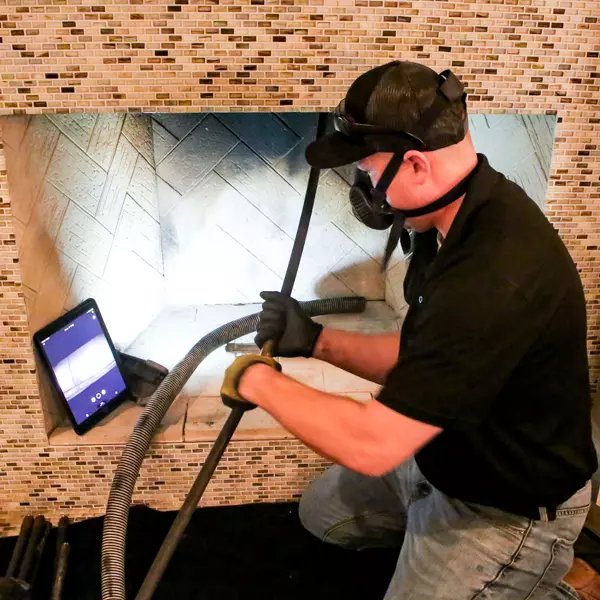
How Regular Chimney Inspection Prevents Fire Hazards
Introduction:
A chimney is not only part of a home’s architecture but also a critical element for safety and heating efficiency. Over time, issues such as soot, creosote, gas leaks, and cracks in the flue can compromise fireplace safety. Without professional chimney inspection, these risks may lead to dangerous fires, costly repairs, or health hazards.
A certified chimney inspector ensures that fireplaces, stoves, and chimneys remain safe for wood or gas use throughout the year, much like other urgent services such as emergency locksmith san diego.
Why Does Regular Chimney Inspection Matter?
In America, the National Fire Protection Association (NFPA) advises homeowners to schedule inspections annually. Chimneys in states like Connecticut (CT) face harsher weather, making routine check-ups even more vital. Certified professionals inspect the flue, sweep debris, and confirm that wood-burning stoves and gas fireplaces remain safe to use. Inspections also ensure compliance with CSIA certification standards, a benchmark for chimney sweeps and inspectors across the country.
What Common Problems Do Chimney Inspections Reveal?
Regular inspections uncover several common issues:
- Creosote buildup: A leading cause of fire, especially in wood-burning chimneys.
- Cracked or damaged flue liners: Allow sparks or gas leaks into living spaces.
- Obstructions: From nests, leaves, or debris that block airflow.
- Water intrusion: In CT and other states, freezing moisture can damage chimneys and mortar.
- Faulty caps or crowns: Which cause costly repairs if not addressed quickly.
- When certified chimney sweeps inspect fireplaces or stoves, they check not only the inside but also the external masonry, ensuring homes remain safe.
What Are the Key Benefits of Regular Chimney Inspections?
Professional inspections and cleanings provide multiple benefits:
- Fire prevention: A clean flue reduces the chance of chimney fires.
- Safe operation: Both wood and gas fireplaces remain safe for use.
- Efficiency: Clean chimneys ensure stoves and fireplaces burn fuel effectively.
- Longevity: Regular inspections minimize repair costs by catching problems early.
- Peace of mind: Certified experts guarantee professional-level service.
- With inspections, chimney cleaning, and sweeps performed by qualified companies, homeowners avoid both safety hazards and financial losses.
What Is the Cost Breakdown of Chimney Inspections and Cleanings?
Costs depend on the level of service, company location, and chimney condition. Below is an average estimate for professional services:
Service Type
Average Cost (USD)
Notes
Level 1 Inspection (basic)
$75 – $125
Visual check of flue, chimney, and fireplace
Level 2 Inspection (camera)
$150 – $300
Required in property sales or after damage
Chimney Sweep (cleaning)
$120 – $250
Certified sweeps clean soot and creosote
Chimney Repair (minor masonry)
$200 – $500
Costs vary depending on damage
Disclaimer: Actual pricing may differ based on companies, professionals, and regional factors, especially in CT and surrounding states. Always request a certified inspector’s written quote before scheduling
What Key Features Should You Look for in a Chimney Inspection Service?
When comparing companies near you, consider the following features:
- CSIA certification: Confirms inspectors are qualified professionals.
- Experience with both wood and gas fireplaces: Ensures safe use of different systems.
- Comprehensive reports: Provide detailed checks of chimneys, flues, and repairs.
- Modern tools: Video cameras and advanced sweepers ensure no hidden damage is missed.
Transparent pricing: Professional companies explain costs clearly, avoiding hidden charges.
By hiring experts and certified professionals, homeowners ensure inspections, cleanings, and repairs are done correctly..
What Frequently Asked Questions Do Homeowners Have?
Q1: How often should chimneys be inspected and cleaned?
Most experts recommend annual inspections, though chimneys used heavily for wood or gas stoves may require cleaning more often.
Q2: Can homeowners check chimneys themselves?
Basic checks are possible, but certified inspectors use tools to identify hidden cracks, leaks, or structural damage.
Q3: What is the role of chimney sweeps?
Sweeps are professionals who clean soot, creosote, and debris. Certified sweeps also provide inspections for better safety.
Q4: How much do inspections and cleanings cost?
The cost depends on the level of inspection, type of fireplace, and location. In America, companies typically charge between $100 $300.
Q5: Are CSIA-certified sweepers necessary?
Yes. Certification ensures sweeps and inspectors meet professional safety and inspection standards.
Conclusion:
Neglecting a chimney can result in severe fire hazards, higher repair costs, and unsafe living conditions. Professional inspections and chimney sweep services are not optional; they are a critical part of home safety. Certified inspectors and sweeps in America, including states like Connecticut, help ensure that fireplaces, wood stoves, and gas systems remain safe, clean, and efficient.
With proper inspections, cleanings, and timely repairs, homeowners gain peace of mind knowing their chimney is safe to use year-round. As fire safety expert Robert Andrews notes, “The most effective fire prevention is not reaction, but consistent inspection and maintenance.” By relying on certified professionals, inspections, and cleanings, every homeowner can reduce fire risks, maintain safety, and extend the life of their chimney system.
Read more :chimney sweep.