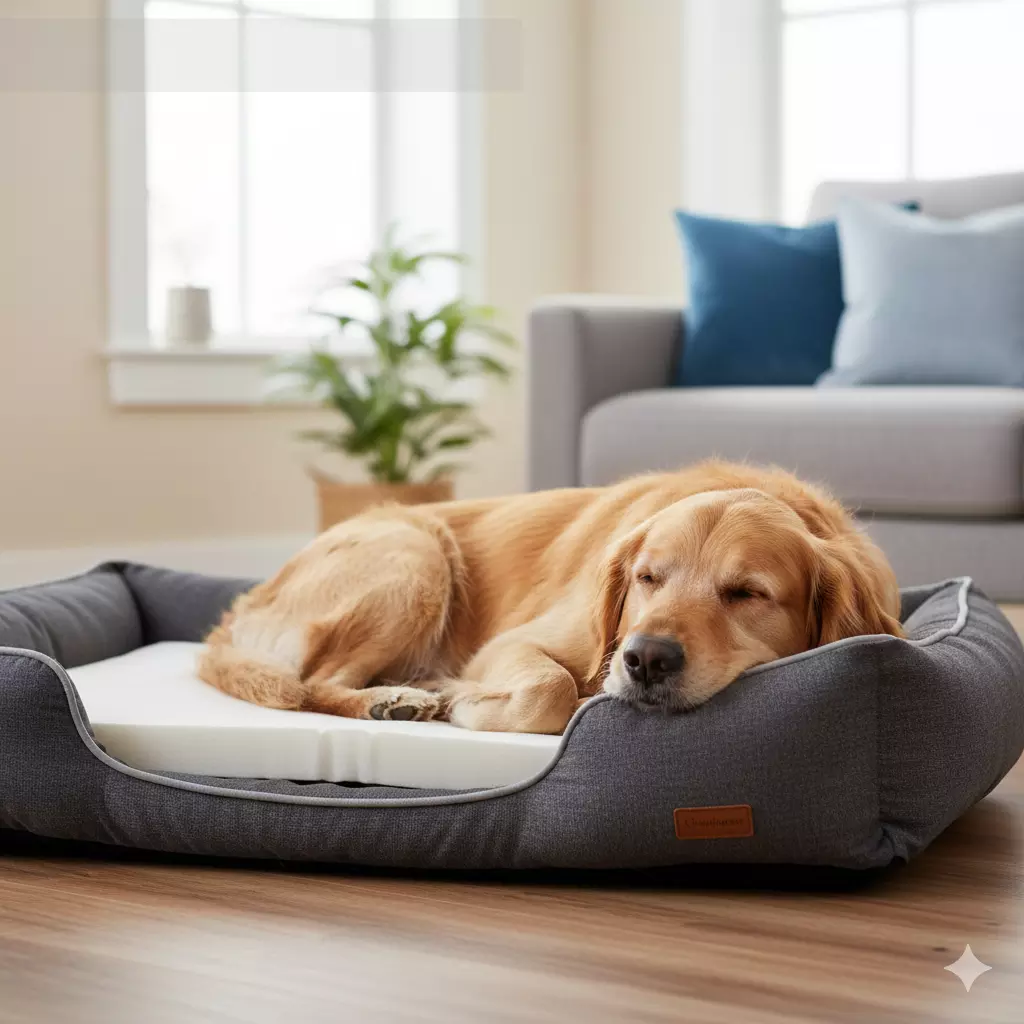
How Pet Bed Affects Their Health: What UK Vets Want to Know
Veterinary orthopedic specialists consistently emphasize one thing: how your pet sleeps has a direct impact on their long-term health. Proper support during rest plays a critical role in preventing and managing conditions such as arthritis and hip dysplasia.
That’s exactly why orthopaedic dog beds and orthopaedic cat beds are now considered vet-recommended essentials, not luxury purchases.
The Physical Health Impact
A. Joint Health & Arthritis Prevention
UK veterinary data shows that around 20% of dogs over the age of one already display early signs of arthritis. Poor-quality or unsupportive bedding accelerates joint wear by creating constant pressure points, which gradually worsen inflammation and pain.
Flat, thin beds may look comfortable, but over time, they can significantly aggravate existing joint problems rather than relieve them.
B. Why Spinal Alignment Matters
Veterinarians explain that proper spinal alignment during sleep is just as important for pets as it is for humans. Certain breeds, such as long-backed dogs like Dachshunds or giant breeds like Great Danes, require tailored support to avoid strain.
Warning signs of poor spinal support include stiffness after waking, hesitation to move, or limping that improves as the day goes on.
C. Temperature Regulation & Comfort
Body temperature directly affects sleep quality and immune function. Senior pets, in particular, struggle with temperature regulation.
Cold floors, especially during damp UK winters, can worsen arthritis symptoms and disrupt deep sleep cycles, making warmth and insulation an essential feature of a good bed.
D. Managing Hip Dysplasia
Orthopaedic materials like high-density memory foam evenly distribute body weight, reducing stress on hips and joints.
Vets frequently recommend these beds for breeds genetically predisposed to hip dysplasia, as well as for pets recovering from surgery, where consistent support is crucial for healing.
Expert Insight:
“I regularly see pets whose mobility issues could have been prevented or significantly reduced simply by providing proper sleeping support from an early age.”
Mental Health & Behavioral Wellbeing
A. Anxiety & Stress Reduction
Bed design has a measurable effect on stress hormones like cortisol. Raised edges tap into a pet’s natural “denning instinct,” creating a sense of safety that calms anxious dogs and cats. A supportive sleep environment also plays a key role in managing separation anxiety.
B. Better Sleep = Better Behavior
Poor sleep often shows up as behavioral problems, aggression, destructiveness, or hyperactivity. UK rescue organizations have observed that pets provided with quality bedding settle faster and adapt more easily to new homes.
In many cases, simply upgrading a rescue dog’s bed has led to noticeable behavioral improvements within weeks.
C. Security & Safe Spaces
Pets need a designated space that belongs to them. In multi-pet households, the absence of this can lead to territorial stress. Even bed placement away from noise, drafts, or heavy foot traffic can significantly influence anxiety levels.
D. Cognitive Health in Senior Pets
Sleep deprivation is strongly linked to cognitive decline in aging pets. Comfort and support help reduce restlessness, which in turn can ease symptoms associated with pet dementia.
Expert Insight:
“A secure, comfortable sleeping space isn’t a luxury, it’s essential for emotional regulation and overall mental health in pets.”
Dr. James Peterson, Animal Behaviorist, Edinburgh
Warning Signs Your Pet’s Bed Isn’t Doing Its Job
Physical Signs:
- Limping or stiffness after waking, especially in the morning
- Avoiding their bed in favor of hard floors
- Excessive circling or scratching before lying down
- Pressure sores or calluses on the elbows and hips
- Struggling to stand up after rest
Behavioral Changes:
- Restless sleep or constant position changes
- Refusing to use their bed altogether
- Increased irritability or aggression
- Choosing alternative sleeping spots like sofas or your bed
Age-Related Triggers:
- Growth phases in puppies and kittens
- Senior dogs (7+ years) and cats (10+ years) needing extra support
Quick Checklist: Your pet’s bed likely needs replacing if…
- It’s flattened or has lost more than 50% of its shape
- The filling is uneven or clumped
- Your pet avoids using it
- It’s over 2–3 years old
- Your pet seems uncomfortable after sleeping
What UK Vets Actually Recommend
A. Materials That Matter
- High-density memory foam for pressure relief and joint support
- Chemical-free, eco-friendly materials for sensitive pets
- Waterproof liners for senior pets or those with incontinence
- Breathable fabrics to prevent overheating and skin irritation
B. Vet-Approved Design Features
- Raised edges for neck support and anxiety relief
- Low-entry designs for pets with mobility issues
- Removable, washable covers for hygiene
- Non-slip bases for added safety
C. Size & Support Guidelines
Your pet should be able to stretch out fully. Weight distribution, sleeping style, and breed-specific needs all influence the ideal bed size and firmness.
D. UK-Specific Considerations
- Insulation for cold, damp winters
- Self-warming options versus heated beds
- Different requirements for indoor vs. outdoor use
Vet Recommendation:
“Choose beds that are vet-approved, made from certified materials, and offer genuine orthopedic support—especially those manufactured in the UK, where quality standards are strictly regulated.”
Prevention vs. Treatment: The Financial Reality for UK Pet Owners
A. Cost Comparison
- Arthritis management: £500–£2,000 per year
- Hip dysplasia surgery: £3,000–£6,000
- Behavioral therapy: £200–£800
- Quality orthopaedic bed: £60–£200 (one-time cost)
B. Long-Term Benefits
Preventative care significantly reduces lifetime veterinary expenses, improves quality of life, and may even support certain pet insurance policies that value proactive health measures.
C. The True Value Breakdown
A high-quality bed lasts 5–7 years, costing less than 15p per day—often less than treats, toys, or grooming expenses.
Statistical Insight:
UK vets report that pets sleeping on proper orthopaedic surfaces experience up to 40% fewer mobility issues in their senior years compared to those using standard beds.
Conclusion: Taking Action for Your Pet’s Health
Key Takeaways
- Your pet’s bed is a health investment, not just furniture
- Physical comfort and mental well-being are closely linked
- Ignoring warning signs leads to bigger, costlier problems
- Vet-approved features make a measurable difference
What You Can Do Today
- Honestly assess your pet’s current bed
- Observe sleep patterns and post-sleep behavior
- Speak to your vet about age-appropriate bedding
- Prioritize materials, support, and durability
Read: From A to Zinc: The Best Dog Vitamins and Supplements
The Bigger Picture
Responsible pet ownership includes providing a proper rest environment. Small upgrades can create a profound long-term impact, and UK pet owners are increasingly leading the way in wellness-focused care.
If you’re ready to improve your pet’s health through better sleep, consider specialist retailers dedicated to veterinary-approved bedding. Brands like Snuggle Paws combine UK craftsmanship with vet-recommended designs, offering everything from therapeutic orthopaedic beds to calming, anxiety-reducing options, each created with your pet’s long-term wellbeing in mind.