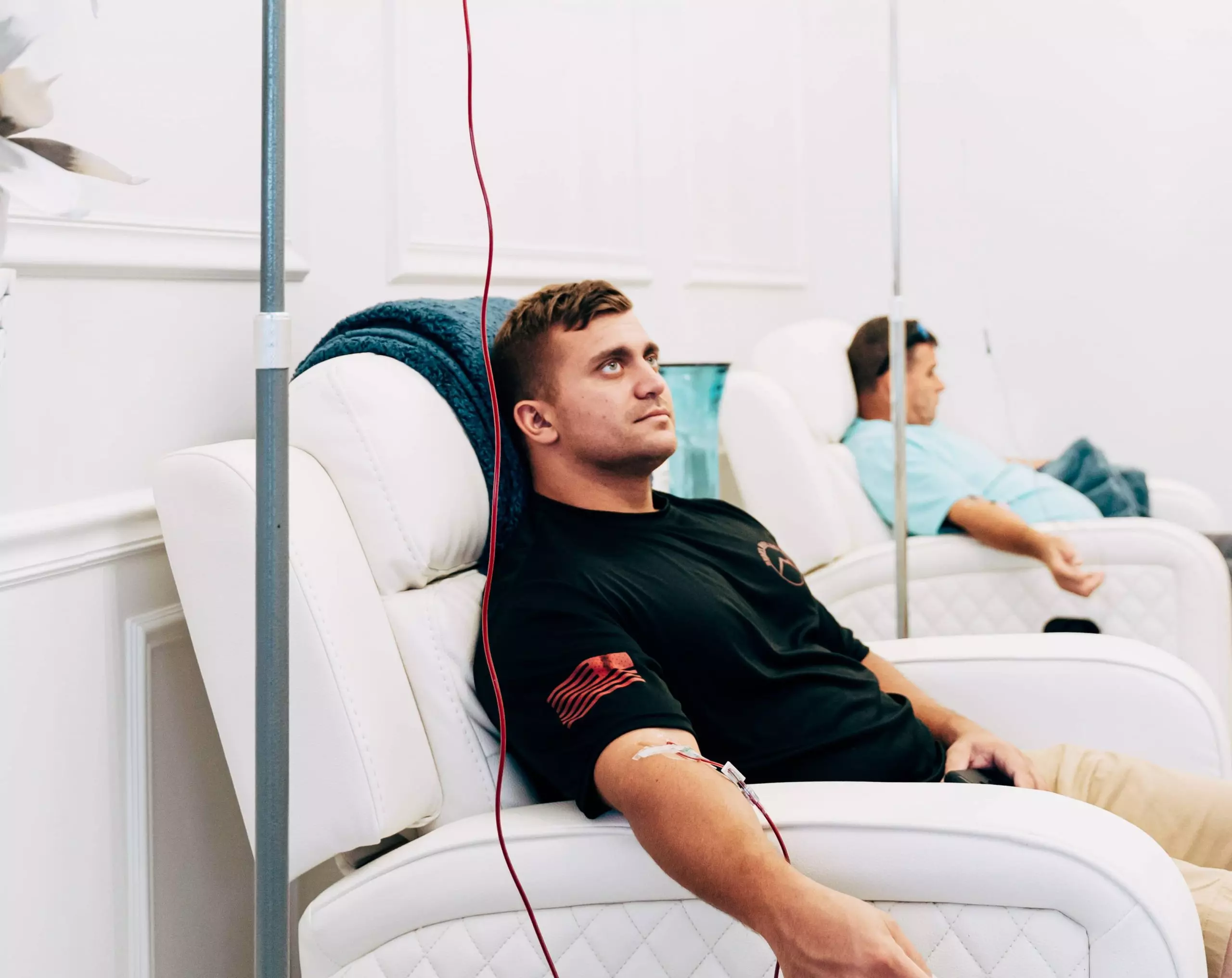
How Ozone Therapy Helps Heal Painful Wrist Injuries Naturally
Injuries to the wrist can creep up unexpectedly but bring about tremendous havoc in one's life. Whether due to playing sport, typing at work, or an unforeseen slip, the stiffness and pain can render activities such as picking up a cup or writing as impossible. The wrist is probably one of the most dexterous and intricate joints of the body, and when it becomes injured, recovery is one that takes time and is frustrating.
Over the last few decades, ozone therapy has become an increasingly popular, nonsurgical treatment that assists the body in its own healing process. Reputable for its inflammation and oxygenation, the treatment restores tissues to heal faster and work more efficiently. This article delves into how it works, why it's so effective with musculoskeletal injury, and how it's revolutionizing the future of regenerative medicine.
Read: Green Compliance and the Subscription Model in UAE Garment
Oxygen as a Healer
Ozone therapy operates on a simple but effective principle: the body heals more efficiently if it receives more oxygen. Ozone is oxygen with three molecules of oxygen, rather than two, that can be given in various forms through injections, externally by application, or insufflation based on the disease being treated. When delivered to the body, it activates oxygen metabolism, increases circulation, and increases the immune system's function of repairing damaged tissue.
For trauma, medical ozone is typically injected near the trauma. The aim is to supply more oxygen to injured cells, minimize inflammation, and stimulate tissue growth. As the body gets this dose of oxygen, swelling vanishes, pain diminishes, and new cell formation starts. It's not a therapy that merely suppresses pain but one that actively aids healing.
Why Wrist Injuries Need Special Care
The wrist is a complex network of tendons, ligaments, and bones that provides amazing flexibility and precision. But due to this very complexity, it's also vulnerable to overuse injury, sprain, and strain. Repeated motions such as typing, lifting weights, playing tennis, or even scrolling on a phone may inflame the tendons and joints, giving rise to long term pain or conditions such as carpal tunnel syndrome.
Most people begin with rest, ice, or pain medication, but as symptoms continue, the cause is usually more deeply seated. Older therapies can take weeks or even months to provide complete relief, and surgery is not always the ideal choice. Patients need something to move healing along more quickly, increase blood flow, and reestablish flexibility without surgery. That is where ozone therapy shines.
How Ozone Works on the Cellular Level
Ozone triggers the release of growth factors that engage the body's repair processes. It amplifies the energy output of mitochondria in cells, the small "batteries" that keep tissues alive and active. When oxygen increases, cells recover more quickly, inflammation is suppressed, and pain signals start to subside.
This treatment is especially useful in the wrist injury treatment, in which the tendons and ligaments involved tend to have trouble getting adequate blood flow. By enhancing oxygenation, ozone therapy accelerates healing of the tissues and rejuvenates joint function. Numerous patients report not only relief from pain, but also a general feeling of enhanced strength in the wrist after several sessions.
A Gentle Yet Powerful Procedure
The treatment itself is brief and minimally invasive. With one session, a physician administers a controlled amount of ozone gas into or surrounding the damaged tissue through a fine needle. The process takes only a few minutes and doesn't involve anesthesia. Mild pain or tingling can be felt briefly, but most patients return to normal activities the day of the procedure.
In contrast to cortisone shots, which can decalcify tendons with long term use, ozone stimulates natural healing rather than inhibiting inflammation. This makes it effective for both acute conditions and chronic situations. Indeed, ozone therapy is even combined with physiotherapy or platelet rich plasma (PRP) in some cases for even more powerful regenerative effects.
From Pain to Performance
The advantages of ozone therapy extend beyond the immediate relief. With better circulation, the nutrients find their way to the injured spot more effectively, aiding in long term healing. The joint becomes more mobile, motion easier, and pain less lingering. Ozone treatments are many times preferred by athletes and fit individuals to avoid repetitive injury and preserve performance.
In time, the body starts to get used to better oxygenation and cellular metabolism. The formerly rigid, painful wrist begins to gain its normal movement. The treatment does not simply end pain but also assists the joint in rebuilding itself, making recovery a viable process and not a temporary solution.
Ozone vs Other Treatments
In contrast to surgery or prolonged medication, however, ozone therapy is drug free and non-invasive with minimal side effects. Its efficacy will depend on the extent of the injury, but for wrist injury that is mild to moderate, it presents a viable middle option stronger than rest and massage, yet significantly less dangerous than surgical reconstruction.
Patients usually find that they feel significantly better after several sessions, although more serious injuries will need continued attention. What sets ozone therapy apart is that it can complement other regenerative treatments instead of substituting for them. By improving oxygen delivery, it increases the body's responsibility to physical therapy and shortens recovery times.
Read: AC Blowing Warm Air? Fix & Prevent Issues Fast
The Promise of Regenerative Medicine
As regenerative medicine becomes increasingly researched, ozone therapy receives more attention for its potential to restore the body's own healing ability. It is a step towards healing rather than simply treating the symptoms. For anyone looking for an alternative to surgery, long term medication, or extensive rehabilitation, ozone therapy can be a means to heal quicker and regain mobility.
Healing does not necessarily need to be drastic. Sometimes, it starts with as little and as fundamental as oxygen.