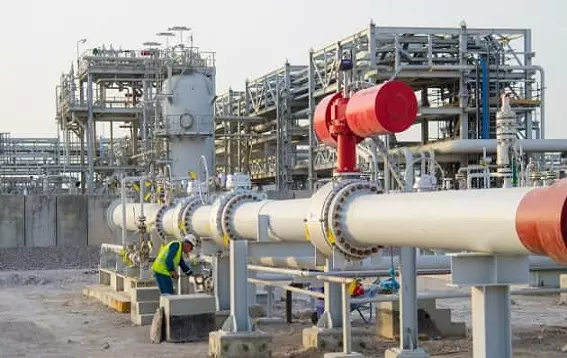
How Oil and Gas Companies in Iraq Are Managing Environmental Concerns
Oil and gas companies in Iraq are fundamental to the country’s economic engine, driving both national revenue and international energy markets. With some of the world’s largest proven oil reserves and significant natural gas resources, Iraq has become a central figure in the global energy sector.
The development, extraction, and export of these resources rely heavily on a mix of local and international oil and gas companies in Iraq, whose expertise and investment are shaping the country’s present and future. In this article, we’ll explore the importance of these companies, their key roles, challenges faced, and the impact of industry leaders such as MUE Group.
The Vital Role of Oil and Gas Companies in Iraq
Iraq’s oil and gas industry is the backbone of its economy, accounting for more than 90% of government revenues and the majority of export earnings. Oil and gas companies in Iraq are responsible for a wide range of critical activities, including:
- Exploration and Drilling: Searching for new reserves and drilling wells to produce crude oil and natural gas.
- Production and Processing: Extracting hydrocarbons and processing them into usable products for domestic and international markets.
- Infrastructure Development: Building and maintaining pipelines, refineries, storage facilities, and export terminals.
- Export Operations: Facilitating the movement of oil and gas to international buyers, particularly from the Basra region and Kurdistan.
- Local Economic Development: Providing jobs, training, and infrastructure improvements that benefit local communities.
The presence of global energy giants alongside strong Iraqi firms creates a competitive environment that boosts technology transfer, best practices, and investment.
Leading Oil and Gas Companies in Iraq
Several major international oil and gas companies operate in Iraq, including BP, Shell, ExxonMobil, TotalEnergies, and China National Petroleum Corporation (CNPC). These companies work in partnership with Iraq’s Ministry of Oil and regional authorities to develop key fields such as Rumaila, West Qurna, and Majnoon. In addition to these international firms, numerous Iraqi companies and joint ventures contribute significantly to field development, service provision, and logistics.
One of the notable names in this landscape is MUE Group. Renowned for its technical expertise and commitment to quality, MUE Group has become a trusted partner in the oil and gas sector, providing a range of services from engineering and construction to project management and facility maintenance. Their focus on safety, efficiency, and environmental stewardship sets them apart in a competitive industry.
Read: Leading Oilfield Equipment Suppliers in UAE
Challenges Facing Oil and Gas Companies in Iraq
Despite Iraq’s vast resource base, oil and gas companies in Iraq face a complex set of challenges:
- Political and Security Risks: Periodic instability, regional disputes, and security threats can disrupt operations.
- Aging Infrastructure: Much of the country’s oil infrastructure was built decades ago and now requires significant upgrades or replacement.
- Regulatory Complexity: Navigating contracts, production-sharing agreements, and local regulations can be complicated and time-consuming.
- Environmental Concerns: Managing flaring, water usage, and pollution requires proactive measures and adherence to international standards.
- Workforce Development: Building a skilled local workforce remains a long-term priority for sustainable industry growth.
Companies like MUE Group play an essential role in addressing these challenges by investing in modern technology, workforce training, and sustainable practices.
The Economic and Social Impact
Oil and gas companies in Iraq contribute far beyond just energy production. Their activities have a ripple effect throughout the economy:
- Job Creation: The sector provides direct and indirect employment to hundreds of thousands of Iraqis.
- Infrastructure Development: Investments in roads, housing, water supply, and healthcare benefit local communities.
- Technology Transfer: International partnerships foster knowledge exchange and the adoption of advanced technologies.
- Revenue for Public Services: Oil exports fund government budgets, supporting education, healthcare, and infrastructure nationwide.
The continued success of oil and gas companies in Iraq is therefore closely tied to the country’s broader economic and social progress.
The Future of Oil and Gas Companies in Iraq
Looking forward, the landscape for oil and gas companies in Iraq is evolving. The government is actively seeking to boost production capacity, diversify export markets, and attract foreign investment. There is also a growing focus on developing Iraq’s underutilized natural gas resources to meet domestic power needs and reduce environmental impacts.
Sustainability, digital transformation, and local content development are emerging as key themes. Companies like MUE Group are well-positioned to lead in these areas, leveraging their expertise and commitment to innovation.
Conclusion
In conclusion, oil and gas companies in Iraq are the driving force behind the nation’s economic resilience and energy leadership. Their dedication to exploration, production, and sustainable development ensures that Iraq remains a vital player in the global energy market.
With industry leaders such as MUE Group at the forefront, the sector is poised for continued growth, modernization, and positive impact on both local communities and the broader national economy. As Iraq navigates future challenges and opportunities, its oil and gas companies will be central to shaping a more prosperous and secure future.